Troubleshooting & Analysis
The day I did the actual math
I was standing in my kitchen with a calculator app open, feeling a little stupid. A two-pack of genuine ResMed disposable filters for my AirSense 10 had just shown up — $14 for two little foam squares. You swap them every two weeks. So that's $7 a filter, $14 a month, around $180 a year to put a piece of hypoallergenic foam in front of a fan while I sleep.
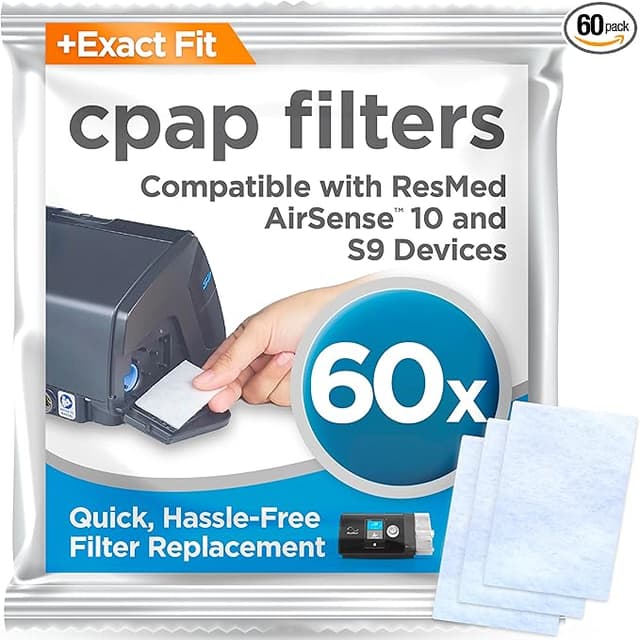
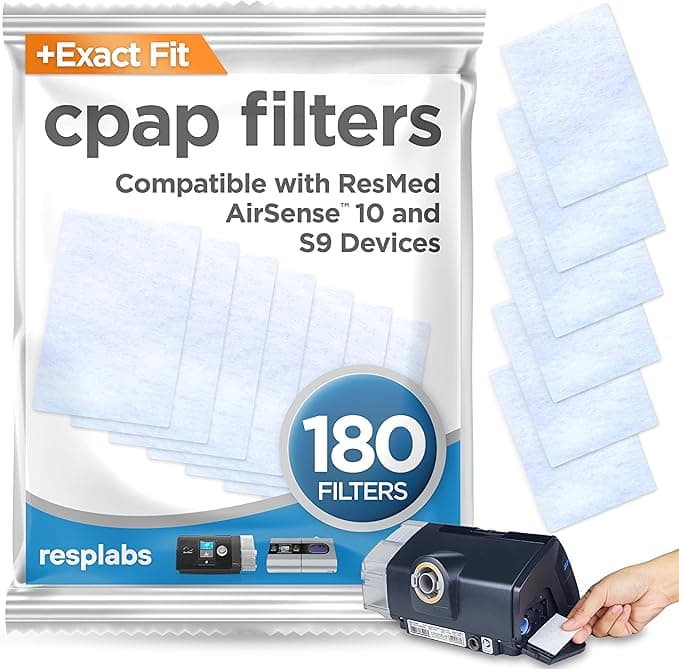
Then I scrolled down two listings and found a 30-pack of compatible AirSense 10 filters for about $13. Same size. Same job. That's roughly 43 cents apiece versus seven bucks. A full year's supply of the compatible ones costs less than a single month of OEM. I sat with that number for a second because it felt like a typo. It wasn't.
I'd been a loyal OEM guy for two years — not out of brand love, just out of nerves. This is a machine pushing air into my lungs eight hours a night. You don't want to cheap out on the thing standing between you and a winter's worth of dust. So I'll tell you exactly what happened when I finally switched, the good and the parts that annoyed me.
What the filter actually does, and why a dead one is a real problem
The filter on an AirSense 10 isn't decorative. It's the only thing between your room air — dust, pet dander, the lint that floats around any bedroom — and the pressurized air getting pushed down your throat all night. When that filter clogs, two things happen. The machine works harder to pull air through a gray, matted square, and worse, a saturated filter stops catching the fine stuff and starts letting it slip past. You end up breathing the exact particles the filter was supposed to stop, concentrated and delivered straight in. People who skip changes wake up with a scratchy throat and blame the humidifier. Half the time it's a filter that turned gray a month ago.
That's the whole reason I was scared to go aftermarket. If the compatible filter is thinner or sheds or fits loose, it's not a cosmetic problem — it's air quality, every night. So I didn't take it on faith. I bought a pack and watched it.
Fit and install — this is where I expected trouble
The install is genuinely a ten-second job, and the compatible filter didn't change that. On the AirSense 10 the intake is on the back. You pop the little flap open, slide the old gray foam square out — and if you've been lazy like me, "gray" is doing a lot of work, mine was practically charcoal — and drop the new one in. Flap clicks shut. Done.
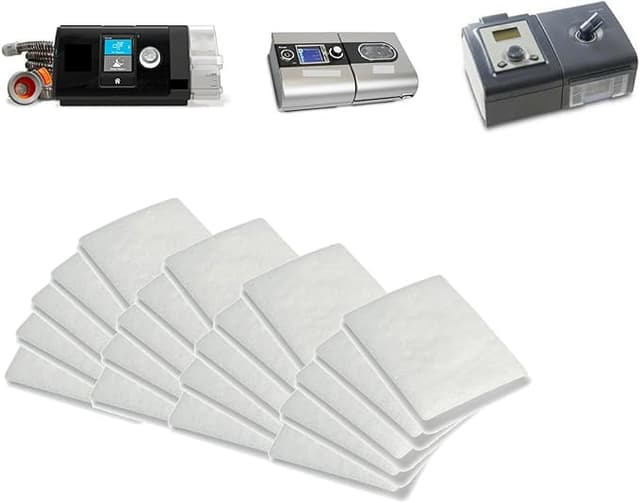
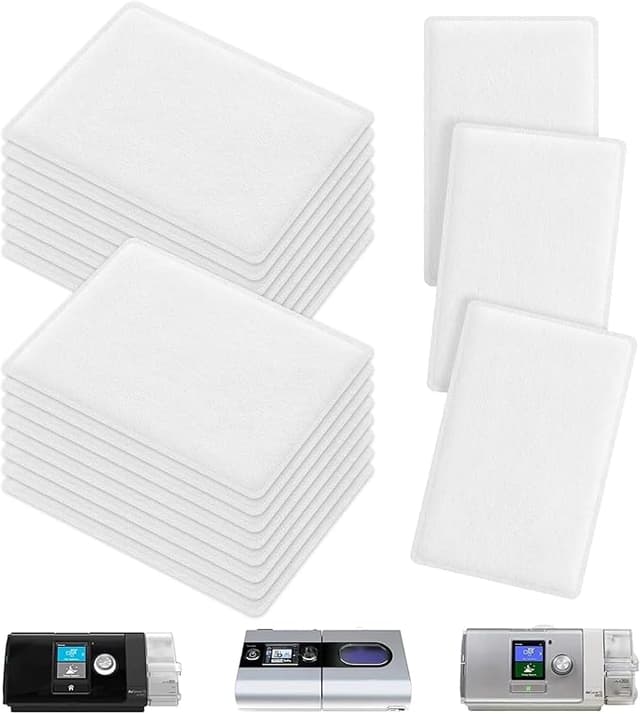
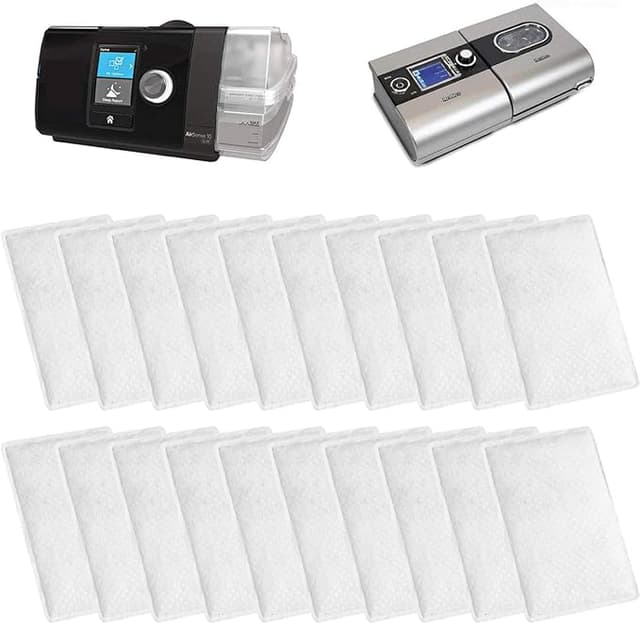
Here's the honest part on fit: the compatible filter seated correctly, but it's cut a hair less precise than the ResMed original. The OEM square fills the slot edge-to-edge with this satisfying snugness. The compatible one had maybe a millimeter of wiggle on one side the first time. Not enough to let air sneak around it — once the flap is closed it's held firmly flat against the intake — but enough that a fussy person will notice. I pressed it in, closed the flap, and it stayed put for the full two weeks without shifting. So: real difference, no real consequence. But I'm not going to pretend it's a laser-cut match, because it isn't.
How it actually performed
I ran the compatible filters in my bedroom unit through a full quarter — six changes, twelve weeks. The thing I cared about most: do they gray out on the same schedule as OEM, which would tell me they're catching the same load? They did. By day twelve to fourteen each one had that same even gray dusting across the face, slightly heavier in the corner that sits closest to the intake. That's what you want to see. A filter that stays pristine white for a month isn't gentle — it's not catching anything.
Airflow felt identical. CPAP pressure is closed-loop; the AirSense adjusts to hit your prescribed number, so a slightly more restrictive filter just means the blower spins a touch faster, and I genuinely could not hear or feel a difference at the mask. My morning AHI numbers on myAir stayed in the same range they'd been on OEM. No new leaks, no new noise.
The downsides — and there are a couple
First, the smell. Out of the bag, the compatible filters had a faint plastic-foam odor for the first night, maybe two. It's mild and it airs out fast once the machine's been running, but I noticed it the first evening and you will too. The genuine ResMed ones have basically no smell out of the wrapper. If you're scent-sensitive, pull the new filter out an hour before bed and let it breathe on the nightstand. By the second night it's gone completely.
Second, the foam is a touch softer and the manufacturing is less consistent. Out of my 30-pack, two or three squares had slightly fuzzy edges where the cut wasn't clean. They still worked fine — the imperfection was on the rim, not the filtering surface — but it's the kind of thing that tells you this is a budget product made at scale. The packaging is nothing, just a plain poly bag, no individual wrapping. You're paying for the filter and literally nothing else, which, given the price, is exactly the trade I wanted.
Third — and this is on you, not the product — the low price tempts you to treat them as disposable-forever and stretch the schedule because hey, they're cheap. Don't. Two weeks. The whole point of going aftermarket is you can afford to change on time instead of guiltily squeezing a fifth week out of a $7 OEM square.
Who should still buy OEM — and who should grab these
If you're someone who reacts to new-plastic smells, or you just want zero variables in a medical device and the $180 a year doesn't faze you, buy the genuine ResMed filters and sleep easy. No shame in it. The fit is marginally tighter and there's no break-in odor at all.
But for me? A 30-pack for around $13 versus $180 a year, doing measurably the same job — graying on the same schedule, holding the same pressure, catching the same dust — I switched and I'm not going back. The looser fit doesn't matter once the flap is shut. The smell is gone by night two. And the best part is I now actually change the filter every two weeks like you're supposed to, because it costs pennies instead of guilt. Honestly, the cheap ones made me a more compliant patient than the expensive ones did. I'd buy them again. I already have — twice.