Troubleshooting & Analysis
The first thing I noticed was the smell — and then the lack of it
New compatible filter, fresh out of the bag, and I did what I always do: held it up to my nose before it went anywhere near my machine. There was a faint paper-and-foam smell, the kind you get from anything sealed in plastic for months. By the second night it was gone. That's the part nobody tells you about — the cheap CPAP filter isn't the one that stinks. The one that stinks is the genuine ResMed filter I'd left in my AirSense 10 for six weeks because I kept forgetting to swap it.
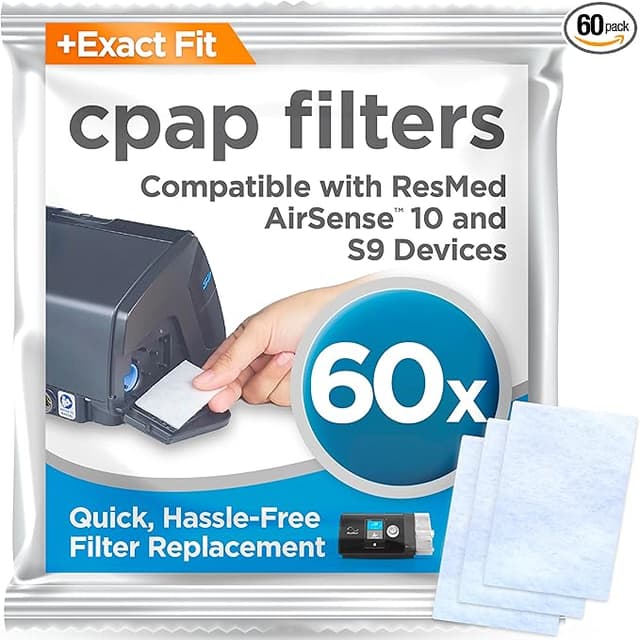
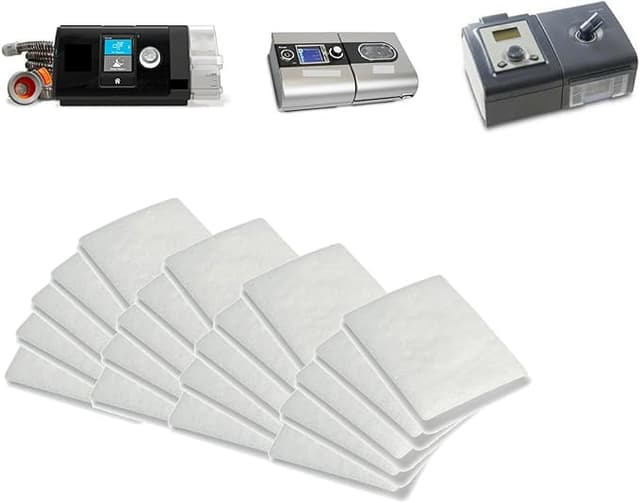
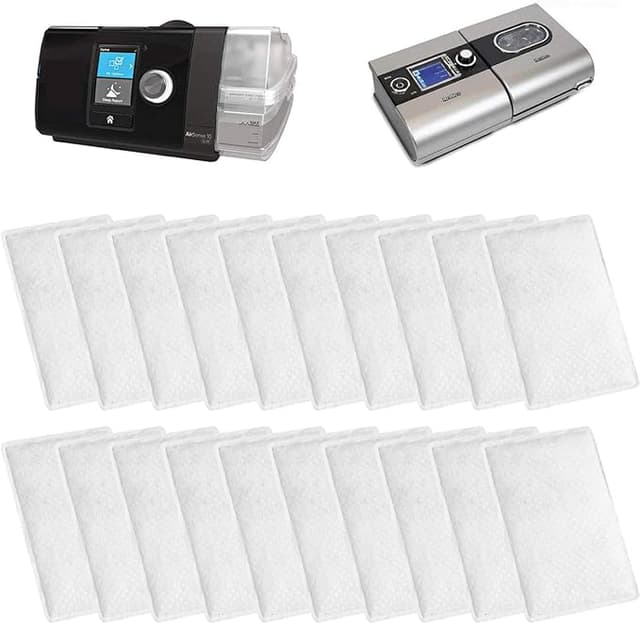
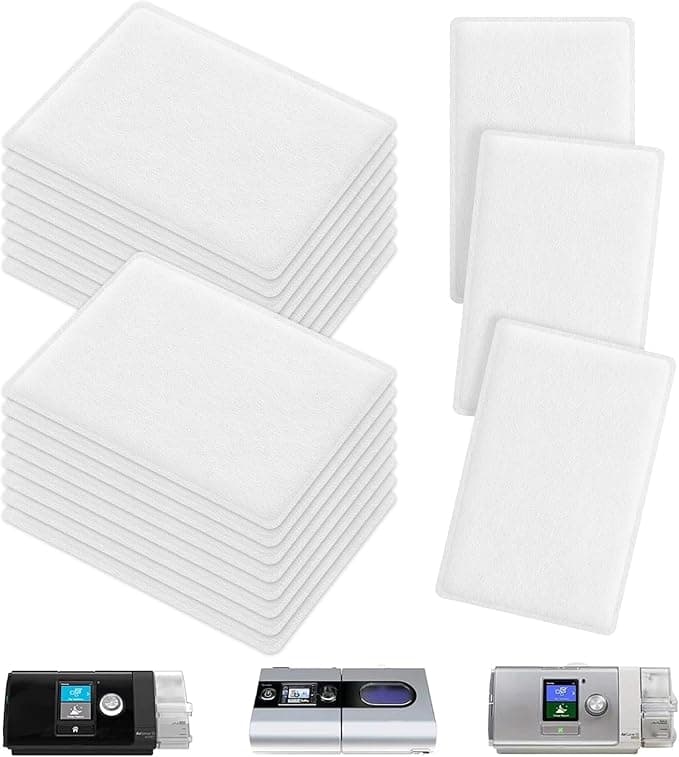
I run a ResMed AirSense 10, and the filter situation is shared across that whole family — AirCurve, the older S9, all of it takes the same little hypoallergenic rectangle. So when I say I tested the compatible AirSense 10 filters, that's the same part you'd drop into an AirCurve. I've been buying the third-party ones for a little over a year now. Here's the honest rundown.
The price gap is the whole reason you're here
Let me give you the number that made me switch. A genuine ResMed hypoallergenic 2-pack runs me about $19 at the pharmacy counter — call it $9.50 a filter. The compatible packs I buy come 12 to a bag for roughly $13. That's a hair over a dollar each. Same dimensions, same job: catch the fine dust and allergens before they get pulled into the humidifier and blown into your face for seven hours.
Do the actual math on it. You're supposed to swap these every two weeks — that's 26 filters a year if you're disciplined (I'm not, but we'll get to that). Twenty-six genuine filters is somewhere north of $120 a year just on the little foam squares. Twenty-six compatibles is under $30. That's a $90 swing for a part that sits in a slot and gets thrown away. When I saw that gap laid out, the "but is it safe" worry started to feel like exactly the worry the OEM pricing wants you to have.
Does it actually fit the slot?
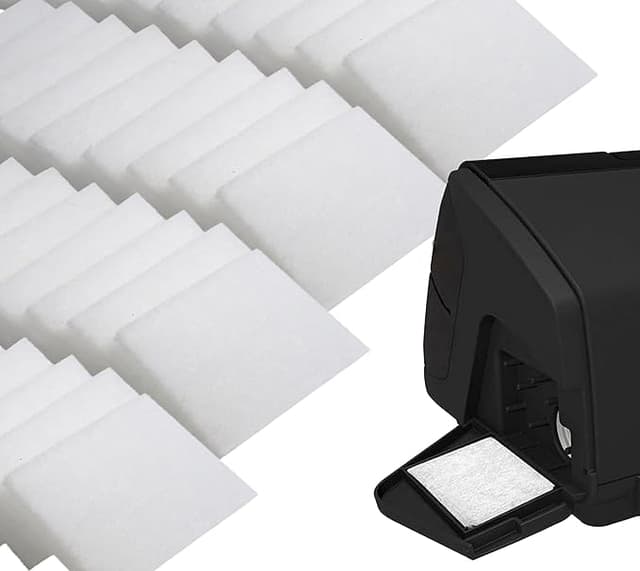
This is the part people are nervous about, so I'll be specific. On the AirSense 10 the air intake is on the back, behind a little hinged flap. You pop the flap, the old grey-white filter slides out, the new one slides in, flap clicks shut. The whole thing takes ten seconds in the dark.
The compatible filters seat in there fine. Click and done. But — and this is a real but — the frame on the third-party ones is the tiniest bit looser than genuine. The ResMed originals fit the slot like they were molded for it, because they were. The compatibles have maybe half a millimeter of give. The first time I felt that wiggle I assumed I'd bought junk. Then I ran it. No whistle, no rattle, no air sneaking around the edge. The flap holds it firmly enough that the looseness never becomes a gap. It's a manufacturing-tolerance thing you'll notice with your fingers and never notice while you sleep.
One install note that took me a couple tries to get right: these foam filters have a slightly textured side and a smoother side, same as the originals. I don't think the machine cares much, but I put the textured face toward the incoming air out of habit. Push it all the way to the back of the slot so the flap closes flush. If the flap won't sit flat, the filter's not seated — pull it and reseat it rather than forcing the door.
How it actually performs over a few months
Here's what I watched for, because air filtration is hard to eyeball. The genuine ResMed hypoallergenic filter has that pinkish electrostatic media that's genuinely good at grabbing fine particles. The compatibles I've used are a white multi-layer foam. Side by side after two weeks in the same bedroom — and I did literally run one in week A and one in week B to compare — both came out the same dingy grey. The compatible loaded up with dust at basically the same rate. My AHI numbers on the ResMed app didn't budge between the two. My nose in the morning didn't know the difference.
Where I'll give the OEM filter its due: the genuine hypoallergenic media is a finer weave, and if you have serious allergies or you're in a dusty, pet-heavy house, that finer grade probably does pull a bit more of the truly tiny stuff. I can't measure it, so I won't pretend I can. For a normal-ish bedroom, the compatible kept up.
The downsides, for real
I said I'd give you at least one honest negative, so here are a few. The packaging is cheap — a flimsy zip bag, no individual wrapping, the filters a little squished from shipping. They puff back into shape, but it doesn't inspire confidence when you open the bag. The frame looseness I already mentioned. And the break-in smell, mild as it is, is there for a night.
The bigger downside is the one that's actually on you, not the filter: at a dollar apiece, the temptation is to ignore them completely. With a $9 OEM filter you feel the cost and you swap it. With a 12-pack sitting in the drawer it's easy to let one ride for a month. Don't. A saturated filter is the actual hazard here — once that foam clogs, your machine works harder to pull air and the dust it was supposed to catch starts riding through into the air you're breathing all night. The cheap filter only stays the safe choice if you actually change it. The good news is the math gives you no excuse: you can swap every two weeks like you're supposed to and still spend a third of what one OEM year costs.
Who should buy OEM instead
If you've got severe respiratory allergies, an immune condition, or your doctor specifically told you to run the genuine hypoallergenic media — buy the ResMed. The few extra dollars a month aren't worth second-guessing your therapy, and that's a conversation for your sleep doc, not a guy on the internet.
For everyone else running an AirSense 10, AirCurve, or S9 in a normal home? I've been swapping these compatible filters into my own machine for over a year. They fit, they catch dust at the same rate, my numbers held, and they cost about a dollar instead of nine. The frame's a touch loose and the bag is ugly. I do not care. Honestly, the only filter I've ever had a problem with was the genuine one I forgot to change. For ninety bucks a year back in my pocket, doing the exact same job, I'd buy the compatibles again — and I already have, twice.