Troubleshooting & Analysis
Forty-two dollars. That's what the pharmacy counter wanted for a six-pack of brand-name DreamStation filters — the little disposable foam-and-paper squares you're supposed to swap every couple weeks. Do that math out loud for a second. Twenty-six swaps a year, call it $1.40 to $1.75 a filter at OEM prices, and you're paying somewhere north of $40 annually for a piece of bonded paper the size of a saltine cracker. I stood there holding the box and the generic two-dollar-a-filter equivalent and thought: there is no possible way the expensive one is twenty times better. So I bought the cheap ones to find out. Six months later I'm still using them.
Let me back up, because I didn't trust the generic filter either. CPAP gear is the one place I get genuinely twitchy about aftermarket parts. It's not a coffee maker. This thing pushes air into your lungs for seven hours a night, and a filter that doesn't fit, sheds fibers, or chokes off airflow isn't a minor annoyance — it's the difference between waking up rested and waking up with a headache wondering why your AHI crept back up. So I went in skeptical and I stayed skeptical for the first few weeks specifically so I could tell you whether the skepticism was warranted.
The price gap is the whole reason you're here
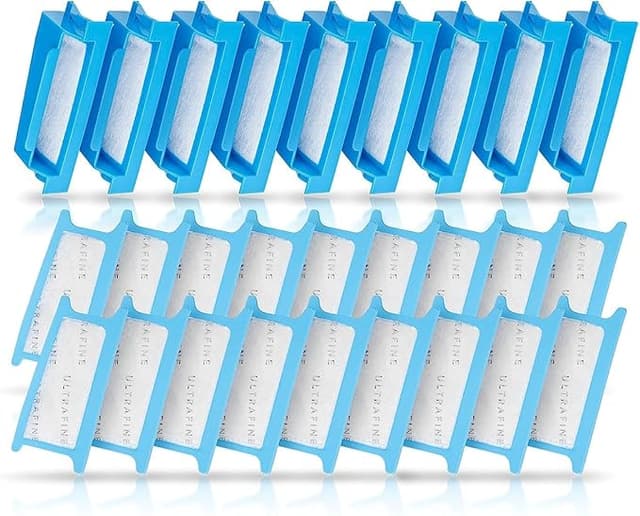
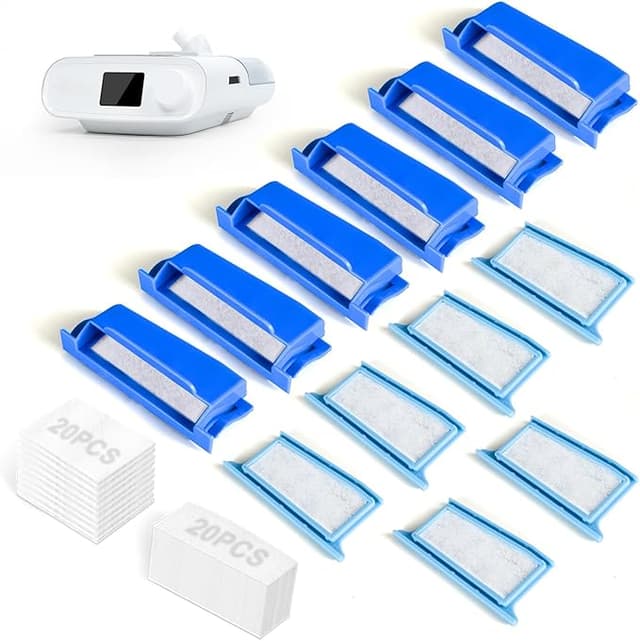
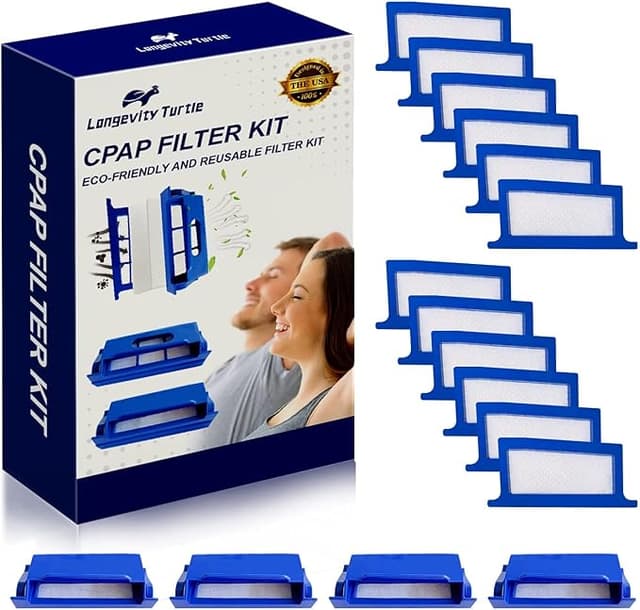
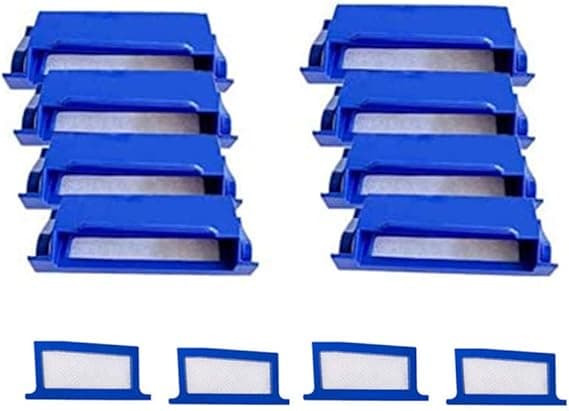
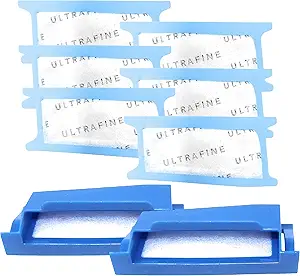
So let's be honest about what we're actually comparing. A DreamStation takes those light grey/white disposable ultra-fine filters, and depending on whether your unit also uses the darker reusable pollen filter, you're cycling through the disposables roughly every two weeks if you've got pets, dust, or a less-than-spotless bedroom. The branded boxes run you that ~$40-a-year clip once you account for shipping and the markup CPAP supply sites love. The generic medical-grade hypoallergenic versions I bought worked out to around a third of that — I paid roughly $12 for a count that lasted me close to half a year. That's not a coupon. That's a structural price difference, and it doesn't go away. It repeats every single year you own this machine.
The question is never "is the cheap one cheaper." Obviously it is. The question is "does the cheap one do the job without me paying for it in some other way." Here's what I found.
Fit and install: does it actually seat?
This was my first worry and it evaporated fastest. On the DreamStation the filter lives behind a little flap on the air intake — you flip it open, pull the old grey square out (it'll be visibly grimy, which is honestly a good gut-check that these things are doing real work), and slot the new one in. The generic filters I got matched the cutout cleanly. They sat flush, the flap clicked shut over them the way it's supposed to, no bowing, no gap on the edges where unfiltered air could sneak around the side.
I'll give you the one nitpick, because there's always one: the generic filter frame is a hair less rigid than the branded version. The OEM ones have a slightly stiffer feel when you pinch them. The generics are a touch flimsier in your fingers before they're installed. Does it matter once it's seated behind the flap? Honestly, no — once it's in, it's in, and the flap holds it. But if you're the kind of person who's all thumbs at 11pm, just take an extra second to confirm it's pushed all the way back before you close it. That's the entire install difference.
Performance: where it matches, where it's slightly behind
Airflow is the thing people quietly panic about — "will a cheaper filter restrict the pressure and make my machine work harder or starve me of air?" I watched for this. My DreamStation didn't complain, the pressure felt identical to me at the mask, and I didn't notice the blower ramping up to compensate. Through a fresh filter, no difference I could detect from the branded one. Both pull dust, pollen, and the fine gray gunk out of the air before it reaches the humidifier and your airway.
Where I'll be straight with you: the generics seem to load up a touch faster toward the end of their life. By the time I was near the two-week mark, the generic square looked grayer and felt slightly more "done" than I remember the OEM looking on the same schedule. My read is the media is marginally less dense, so it does the same filtering but reaches the swap-it-out point a little sooner. The fix is free — just change it on schedule and don't try to stretch one to a month. At a third of the price, swapping a hair more often is a non-issue.
The real downside nobody tells you
Here's the genuine knock, and it's a small one: that faint new-filter smell. The first two or three nights on a fresh generic, there's a very mild papery/plastic odor on the air — not chemical, not harsh, just noticeable if you're someone who pays attention to that stuff. It aired out completely by night three every single time. I think it's just off-gassing from fresh packaging, and the branded ones do it a little too, but the generics did it a touch more on the first night. If you have a sensitive nose, pull the filter out of its wrapper an hour before bed and let it breathe. Problem gone.
The other honest downside is cosmetic: the packaging is cheap. The filters come in a plain bag instead of a tidy retail box, sometimes loose, and you don't get the reassuring brand logo printed on each one. If unboxing polish is part of what you're paying for, you won't get it here. I stopped caring by the second pack because the thing I actually wanted — clean air going into my lungs — was identical.
Why this actually matters, not just the money
I want to be clear about one thing so the savings angle doesn't read as careless: a dead filter is a real problem, and it's the same problem regardless of whether the filter was branded or generic. When that square clogs with dust and allergens, it's not just blocking new junk — it can start letting buildup ride along into the airstream, and a saturated, neglected filter is exactly how you end up breathing the stuff you bought a CPAP to avoid. The grey filter is the last line between your bedroom air and your lungs for seven hours straight. So the move that protects your health isn't "buy the expensive filter and leave it in too long." It's "change the filter on time, every time." Cheaper filters make that easy because you're not flinching at the cost of doing it on schedule.
So who should buy OEM instead?
I'll give it to you straight. If you have a documented chemical sensitivity and even a faint first-night odor would wreck your sleep, or if you're the type who genuinely will not remember to swap on schedule and wants the slightly denser, slightly longer-lasting branded media as insurance — buy OEM and don't think twice. It's a small premium for one less thing to manage.
For everyone else? After six months of running these in my own DreamStation, swapping on schedule, watching for any airflow weirdness or therapy backslide that never came — I grab the generics. Same fit, same air, a third of the cost, and the only tradeoffs are a flimsier feel before install and a faint smell that's gone by Wednesday. I'd buy them again. I already have, twice.