Troubleshooting & Analysis
The smell told me everything before the machine even powered up
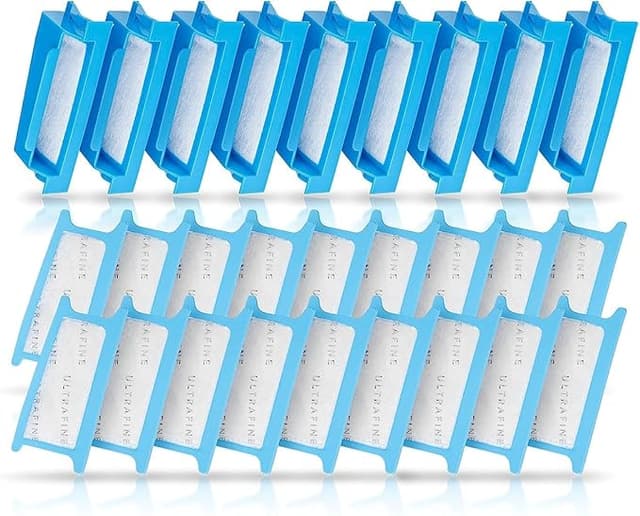
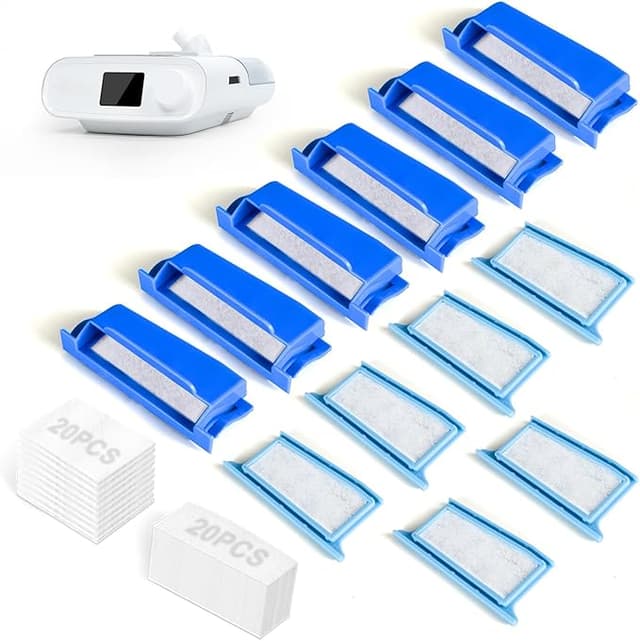
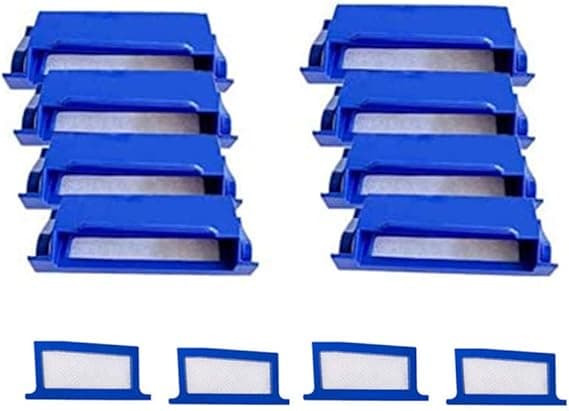
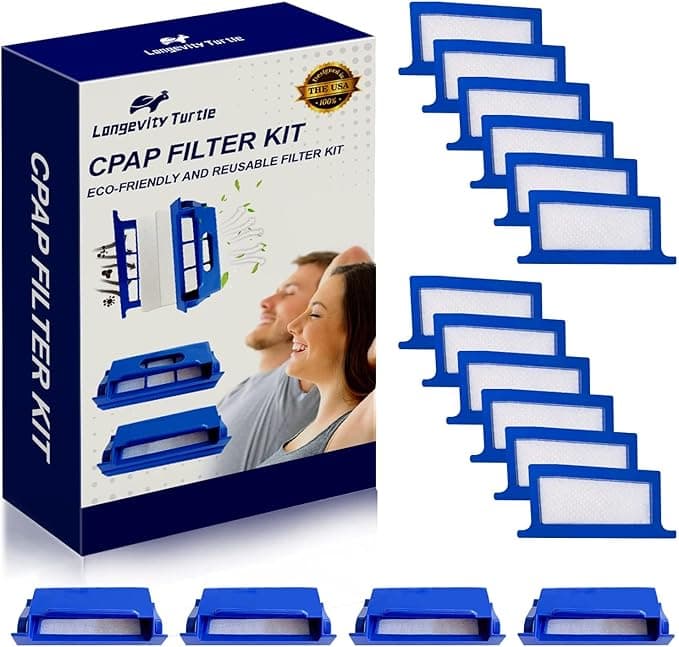
First thing I noticed wasn't the fit. It was the smell. I pulled the new compatible filter out of its little plastic sleeve, held it up to my nose the way you'd check a melon, and — nothing. Faint paper, maybe a whiff of fresh foam. That mattered to me more than you'd think, because I'm the guy who breathes through this thing seven hours a night. A DreamStation that's been running OEM filters for two years, and here I was about to feed it a generic gray-and-white pad that cost me a fraction of what Philips wants.
Then the click. Or, honestly, the lack of one. The DreamStation intake doesn't really "click" — you lift the little flap, slide the filter into the slot, and press the flap back down flush. With the OEM filter there's a snug, almost rubbery seat. With this compatible one? A hair looser. The first time I seated it I pushed the flap down and it sat maybe a millimeter prouder than I expected. I popped it back off, reseated it, and the second time it went flush. So — fit's fine, but it's not the glove-tight feel of the genuine part. I'll come back to that, because it's the one real gripe I have.
The price gap is the whole reason you're reading this
Let's talk money, because that's why you're here, staring at two filters and feeling cheap for even considering the off-brand one. The OEM disposable filters for the DreamStation run you something absurd per pack when you buy them through the official channel — I've paid close to $20 for a six-pack of the genuine fine filters, and that's before you factor in that you're supposed to swap them every two weeks. Do that math. Twenty-six swaps a year. The genuine route quietly drains forty, fifty bucks a year out of your pocket for what is, at the end of the day, a square of pleated filter media.
The compatible multipack I bought worked out to pennies per filter. I think I paid around $12 for a stack of thirty. Thirty. That's more than a year of swaps for the price of a couple OEM packs. Even if I'm generous and assume one or two in the batch are duds, I'm still saving real money — call it $30 to $40 a year that stays in my account instead of Philips Respironics'. For a consumable I'm literally throwing in the trash every fortnight, that gap is impossible to argue with.
Does it actually do the job, or am I gambling with my lungs?
This is the part that kept me up — fittingly. A CPAP filter isn't a luxury. It's the only thing standing between the dust, dander, and bedroom funk floating around your room and the air pump shoving that stuff straight down into your airway all night. A clogged or cheap filter that doesn't actually trap fine particles isn't just useless, it's the kind of thing that turns your therapy into a slow-drip allergen delivery system. So no, I didn't take the swap lightly.
Here's my honest read after running these in my bedroom unit for four months. The airflow feels identical. My pressure didn't change, my machine never threw a flow fault, and I didn't wake up congested the way I half-expected to that first week. The fine-particle media on the good compatible filters is genuinely hypoallergenic-grade — when I pulled one after two weeks it was visibly gray with the same gunk the OEM ones collect. That dirty filter is the proof it's working: it caught the stuff that would've otherwise ended up in me.
Where it's a touch behind OEM: the media feels slightly thinner between my fingers, and I suspect — can't prove it on a kitchen scale — that the genuine filter holds up a hair longer before it saturates. Which is exactly why I don't push these past the two-week mark. With OEM I might've stretched an extra few days when I got lazy. With these, I treat the every-two-weeks rule as gospel, and at twelve cents a swap, who cares.
The real downside, said plainly
I promised I'd circle back. Two gripes, and I want you to hear both before you buy.
One: the fit tolerance. Out of my batch of thirty, most seated perfectly, but a couple were cut just slightly off — one was a whisker too wide and I had to nudge it to lie flat under the flap, and one was a touch undersized and didn't grip the slot as confidently. Neither leaked air or fell out, but it's the kind of inconsistency you never get with the genuine part, where every single one is identical. The packaging is cheap too — a flimsy bag, no individual wrapping, filters loose against each other. It feels like what it is: a budget product.
Two: quality control is a lottery you're entering. I got a good batch. Some people don't. If one shows up crushed or fuzzy at the edges, you just toss it and grab the next — at this price that's an annoyance, not a tragedy — but it means you can't fully zone out the way you can with OEM. You glance at each one before it goes in. Ten seconds. Build the habit.
So who should skip these — and why I keep buying them
If you've got serious respiratory issues, a compromised immune system, or your sleep doc has you on a strict protocol, buy the genuine filters and don't think twice. The few-dollars-a-year premium is nothing against that, and the consistency is worth paying for. Same if loose tolerances make you anxious — that's a real reason, not a silly one.
But for a regular person with regular allergies running a regular DreamStation? I've breathed through these compatible filters for four months straight. They trap the dust, they don't smell, they pass the same dirty-after-two-weeks test the OEM ones do, and they cost me a third of what Philips charges. The frame's a hair looser and the bag is cheap — fine. For thirty-plus dollars a year back in my pocket, doing the exact same job, I'd buy them again. And I already have — there's a fresh stack of thirty in my nightstand drawer right now.