Troubleshooting & Analysis
I figured it out the morning I woke up with a headache and a nose so stuffed I could barely breathe through it. Not a cold. I'd had the DreamStation running every night for months and I just... never looked at the filter. When I finally popped the flap open, the grey foam pad inside had gone the color of a coffee filter someone left in the sink — grey-brown, matted flat, basically a dust pancake. That thing had been straining my bedroom air and pushing whatever it caught right back at my face for weeks. I'd been breathing through a clogged sponge and wondering why I felt worse instead of better.
That was my wake-up call about CPAP filters, and it's the reason I stopped being precious about where I buy them.
The price thing nobody tells you up front
A CPAP filter isn't a once-a-year part. The DreamStation wants the disposable filter swapped every two weeks. Do that math: 26 filters a year, give or take. When you buy the branded packs, you're paying a premium on something you throw in the trash twice a month. I was looking at roughly $25 for a small branded pack that didn't even last me a full season once I started actually changing them on schedule.
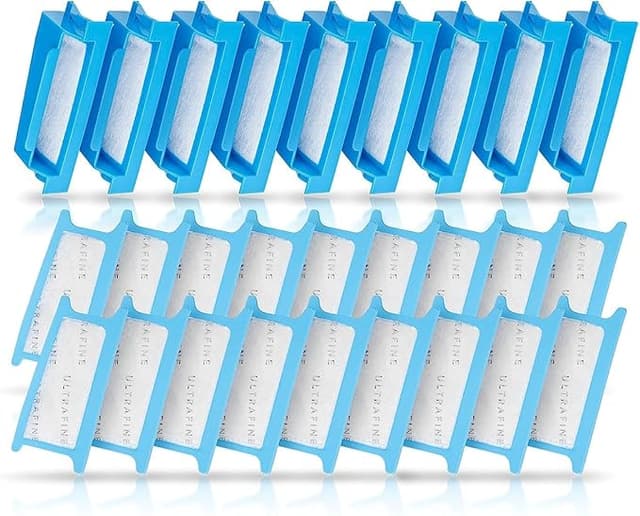
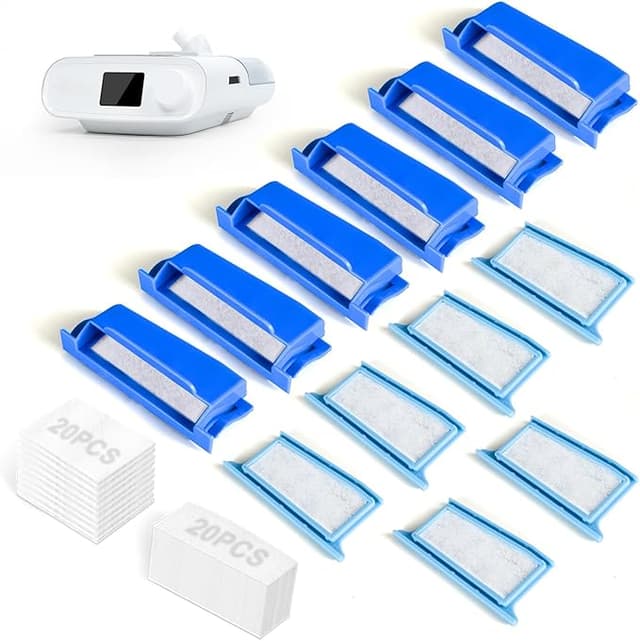
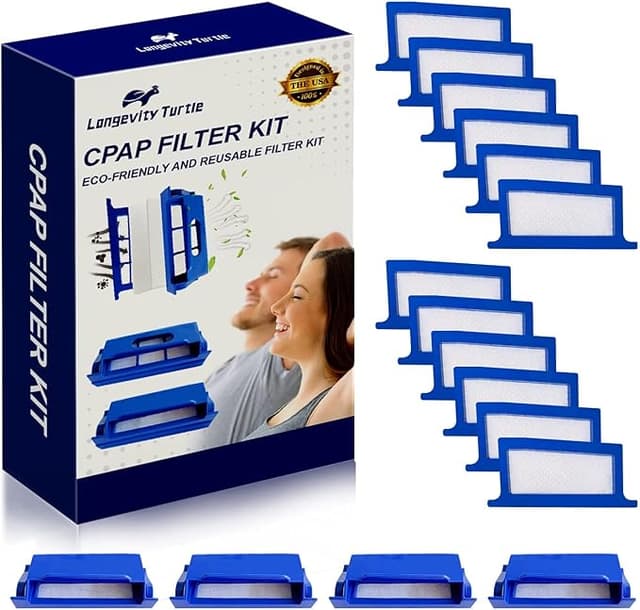
The generic hypoallergenic filters I switched to ran me about $14 for a much bigger count — enough to cover the better part of a year. So we're talking a real gap, somewhere around ten or eleven bucks per pack, and because you burn through these so fast, that adds up to real money across a year of nightly use. For a part that gets dirty and gets tossed, paying OEM pricing started to feel a little silly.
Do they actually fit the DreamStation?
This was my worry too. A water filter that's a hair off still works. An air filter that doesn't sit flush is worse than useless — air sneaks around the edges and you're filtering nothing. So I paid attention.
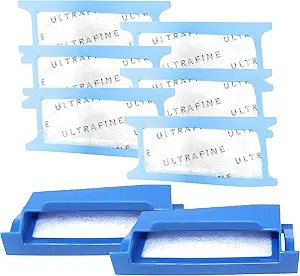
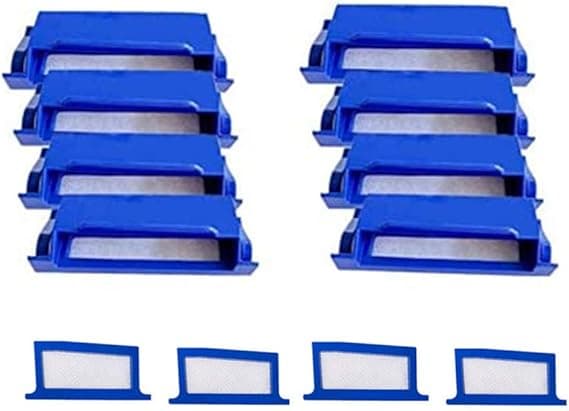
The install is exactly what you'd expect. You find the air intake on the side of the device, pop the flap open, pull the old grey/white pad out — and honestly, pulling out a filthy one is its own little motivator — then seat the new one in. With these generics, the cut of the foam matched the recess well. They sat down flat, no corner poking up, no gap I could see when I closed the flap. The first one felt a touch firmer than the branded foam, almost spongier, but it dropped into the slot and the flap clicked shut like normal. No trimming, no forcing.
I'll give you the one fiddly bit: the very first pad out of the bag had a slightly stiff edge and I had to press one corner down to get it fully flush. Took five extra seconds. Every one after that went in clean. Not a dealbreaker — just the kind of thing the branded version doesn't make you do.
How they perform once they're in
The job here is simple and serious: keep dust, dander, and fine junk from your bedroom out of the air that gets pushed into your airway all night. On that, I genuinely can't tell the difference between these and the branded ones in daily use. The machine runs at the same noise level. Airflow feels identical — no extra whistle, no sense that the pump is laboring against a denser pad. And that morning stuffiness I'd been blaming on allergies? Gone within a few days of running a clean filter on a real schedule, generic or not.
Where I'll be straight with you: the branded foam feels very slightly denser to the touch, and part of me wonders if it holds up a hair longer at the two-week mark. I never let mine go long enough to find out anymore — I learned that lesson the hard way — so for me it's moot. If you're someone who stretches a single filter to three or four weeks, the OEM pad might give you a little more margin. But you shouldn't be doing that anyway.
The real downsides — and there are a couple
First, the smell. The first two generic filters I opened had a faint plastic-foam odor straight out of the bag. Not strong, not chemical-burn awful, but noticeable if you put your nose to it. So I started pulling the next one out a day early and letting it air on the nightstand. By morning it was neutral. If you're sensitive to smells, do that — don't go from sealed bag straight into the machine and then panic at 2 a.m.
Second, the packaging is cheap. The branded packs come in a tidy little box; these showed up in a thin plastic sleeve, and the filters can shift around and pick up a slightly compressed edge in transit. Nothing that hurt the fit, but it doesn't feel premium, and once in a while there's a stray bit of foam fluff. Minor. But you notice it next to the OEM presentation you're used to.
Third — and this one's on the buyer, not the product — going generic makes it dangerously easy to over-buy and then forget. Because they're cheap and come in bulk, I stuffed a big pack in the drawer and almost slid right back into my old "eh, I'll change it later" habit. Don't. The whole point is changing them on time.
Why this matters at all
Look, the reason I went from lazy to religious about this isn't the cost. It's that headache morning. A saturated CPAP filter doesn't just stop catching new dust — it becomes a reservoir of everything it already caught, sitting two inches from where your therapy air gets drawn in, all night, every night, aimed straight at your lungs. You bought this machine to breathe better while you sleep. A dead filter quietly works against that. The cheap-versus-branded debate is almost beside the point next to the change-it-or-don't debate.
So who should buy what
If you've got severe respiratory sensitivities and your doctor pointed you at a specific branded filter, listen to them — that's not a corner to cut on vibes.
For everyone else running a standard DreamStation at home, here's where I landed. These generic hypoallergenic filters fit flush, run quiet, and keep my air just as clean as the branded foam ever did — for something like $14 a pack against $25, on a part I throw out every two weeks. Air them out for a day, change them on schedule, and you genuinely won't miss the OEM version. I bought another big pack last month, and I'd do it again. That clogged-filter morning bought me a lot of perspective — the only mistake I made was waiting so long, and overpaying the whole time I did.