Troubleshooting & Analysis
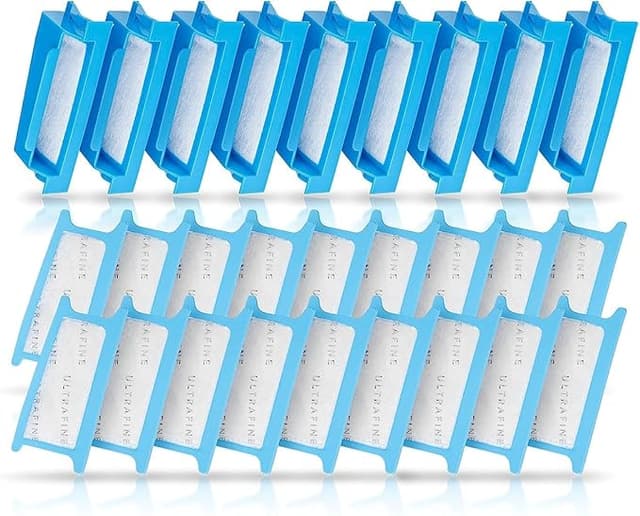
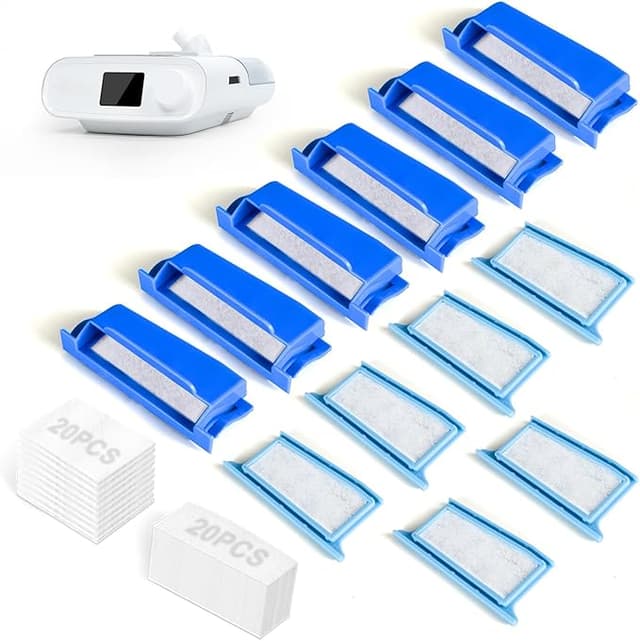
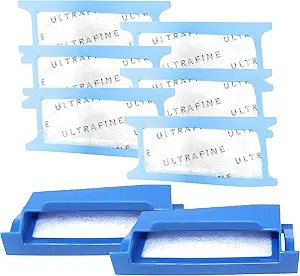
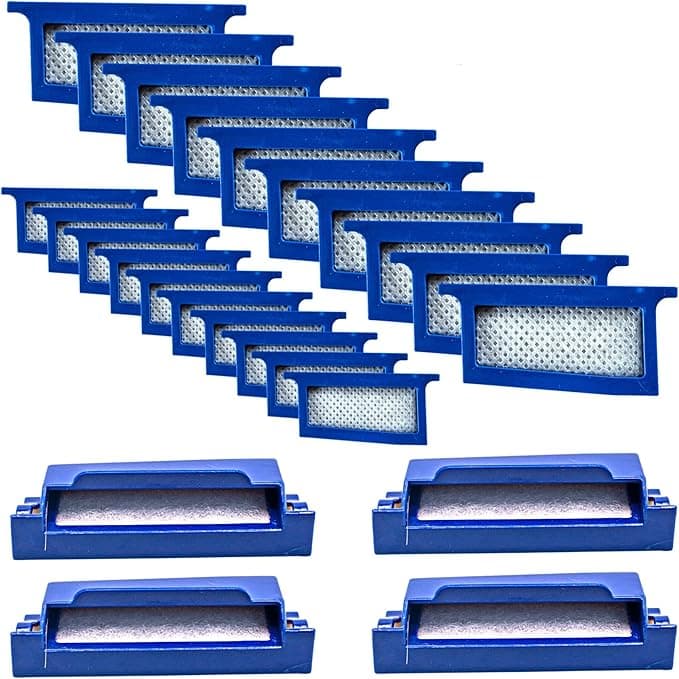
Twelve dollars. That's what Philips wanted for a single pack of disposable ultra-fine filters for my DreamStation last spring — a box that lasts me, what, two months if I'm disciplined about the every-two-weeks swap? Do that math out and you're looking at roughly $70 a year to put little squares of paper in a machine that already cost me a few hundred bucks. The generic pack I switched to runs about $20 for thirty filters. Thirty. That's well over a year of clean air for the price of one OEM box. I stood in the pharmacy aisle holding both and felt genuinely stupid for how long I'd been paying the brand tax.
So I switched. Skeptically. Here's the honest four-month rundown.
The price gap is the whole story — but not the whole truth
Let me be fair to Philips first, because people get this backward. The OEM filters are good. They seat perfectly, the foam density is consistent, and you never wonder if you got a dud. When you're pulling air straight into your lungs for seven hours a night, "I never wonder" has real value. I won't pretend the markup buys you nothing.
But it doesn't buy you five times the filtration. That's the part that finally got me. A CPAP intake filter is doing a humble job — catching dust, pollen, pet dander, the lint that drifts around a bedroom — before the air gets pulled into the blower. It's not a HEPA-grade medical membrane. The generic hypoallergenic filters I've been running catch the same stuff. I checked it the obvious way: held a used OEM filter and a used generic side by side after two weeks each, same room, same season. Both were that identical dingy gray on the intake side. Same gunk, same color, same job done.
Fit and install — where I expected the cheap one to fail
This was my real worry. CPAP intakes have a specific shape, and a filter that's a hair off can sit crooked, let unfiltered air sneak around the edge, or rattle. On the DreamStation the routine is dead simple — find the intake on the side, pop the flap, pull the old gray filter out, push the new one in, close it up. I've done it half-asleep at 6 a.m. more times than I'd admit.
The generics fit. Mostly. Here's the honest asterisk: the frame on the cheap ones is a touch looser than OEM. The Philips filter clicks into the recess with this satisfying little snugness; the generic goes in with a bit more play, and once or twice I've had to give it a second push to make sure it sat flush against the back wall instead of resting at an angle. Thirty seconds of attention, not a dealbreaker. But if you're the type who jams it in and walks away — look at it for one extra second to confirm it's flat. Air takes the path of least resistance, and a gapped filter is a filter that isn't really filtering.
Once it's in right, it's in right. No rattle, no whistle, no airflow change I could feel through the mask.
The downsides — and there are real ones
First night with a fresh generic, there's a faint smell. Not chemical-burn bad, but a light plastic-and-new-foam scent for the first two or three nights until it airs out. Honestly the OEM ones have it too, just milder. If you're scent-sensitive, swap your filter in the morning and let the machine sit open a few hours before bed rather than installing it right before you sleep. By day three I stop noticing it entirely.
Second, and this is the bigger one: the quality control is a step down, and you have to be the QC department yourself. Out of a thirty-pack I'll usually find one or two filters where the foam is cut a little uneven, or the edge is slightly frayed. With OEM I never bothered inspecting; with generics I now give each one a two-second glance before it goes in. The frayed-edge ones I toss — that's exactly the gap that lets dust ride around the filter instead of through it. The good news? At twenty bucks for thirty, throwing two away still leaves you twenty-eight perfectly good filters for less than a third of the OEM cost per piece. The price cushion absorbs the misses without you even feeling it.
Third, smaller but real: the packaging is cheap. Loose filters in a thin plastic bag versus the OEM's tidy stacked box. They can get a little squished if you toss the bag in a drawer. I moved mine into a small rigid container and the problem vanished — but straight out of the bag, that's on you to manage.
Why I don't cheap out on the schedule
Here's where the savings actually matter for your health and not just your wallet. A saturated CPAP filter is a genuine problem — once it clogs with dust and dander it stops protecting you and starts restricting airflow, which makes the blower strain and can let allergens slip straight through into the air you breathe all night. The quiet trap of OEM pricing is that it nudges you to stretch a filter past its two-week life, because each one feels precious. At twelve dollars a box you ration them. At twenty for thirty, you swap on schedule without a second thought, because the next one is basically free.
That's the thing nobody says out loud: the compatible filter doesn't just cost less, it makes you a better CPAP owner. I change mine every two weeks now, the way the device wants, instead of squinting at a gray filter going "ehh, one more week." Cheaper supply, fresher filter, cleaner air. The math runs the right direction.
Who should still buy OEM
I'll say it plainly, because I'd rather you trust the rest of this. If you've got serious respiratory conditions, a transplant, anything where your doctor is specific about your equipment — or you simply do not want to spend two seconds inspecting a filter before bed — buy the Philips. The consistency is worth the premium for you, and I'm not going to talk you out of it.
But for a normal person with a DreamStation, ordinary allergies, and a working sense of "does this look right before I put it in" — I run the generics. Four months in, a solid sixty-odd dollars a year saved against my old habit, and I sleep exactly as well as I did on the OEM stuff. The frame's a hair looser, the first night smells faintly of plastic, and maybe one in fifteen is a reject. And for that much money back in my pocket every year, doing the identical job, I'd buy them again. I have — twice now.