Troubleshooting & Analysis
I didn't believe a $20 filter could keep my DreamStation safe either
Here's the thing. For about a year I bought the official Philips Respironics filters for my DreamStation because the machine cost more than my first car and I figured the company that built it knew best. Then I did the math on what I was spending every two weeks and felt a little sick. So when a friend who's been on CPAP for a decade told me he'd been running generic compatible filters for years — "same gray foam, half the price, machine's fine" — I nodded and quietly assumed he was being cheap and reckless.
I was wrong. I bought a pack of the compatible ones to prove him wrong, honestly. I've now run them in my own DreamStation for the better part of eight months. This is what I actually found.
The price gap is not small, and it adds up fast
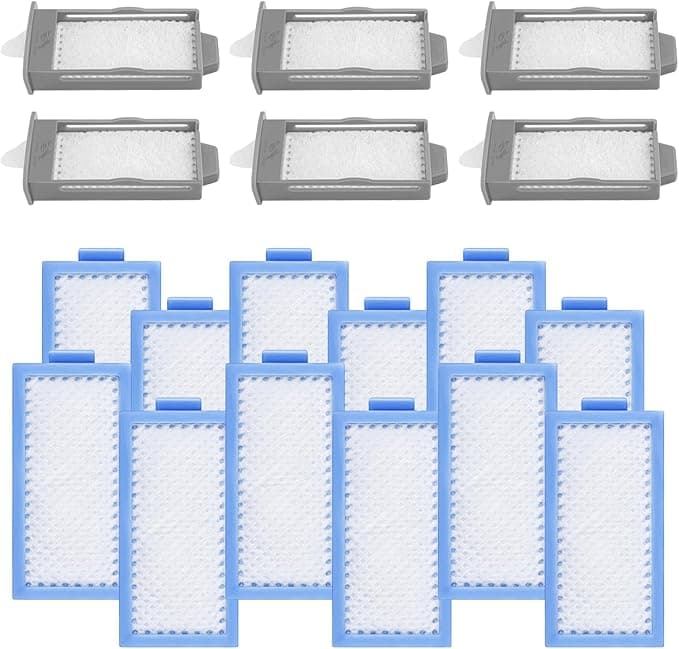
The reason this matters at all is the replacement interval. These are pollen/fine-particle filters you swap every two weeks — that's the recommendation, and after a winter of testing I'd say it's real, not a sales tactic to make you buy more. Two weeks in a dusty bedroom and the foam goes from off-white to a dingy gray. You can see it.
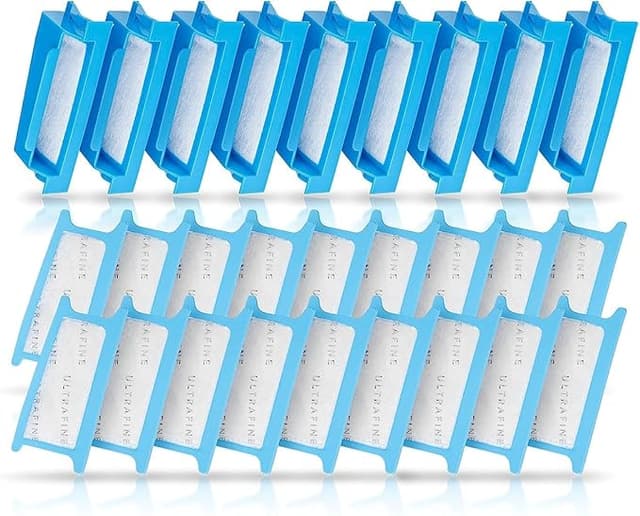
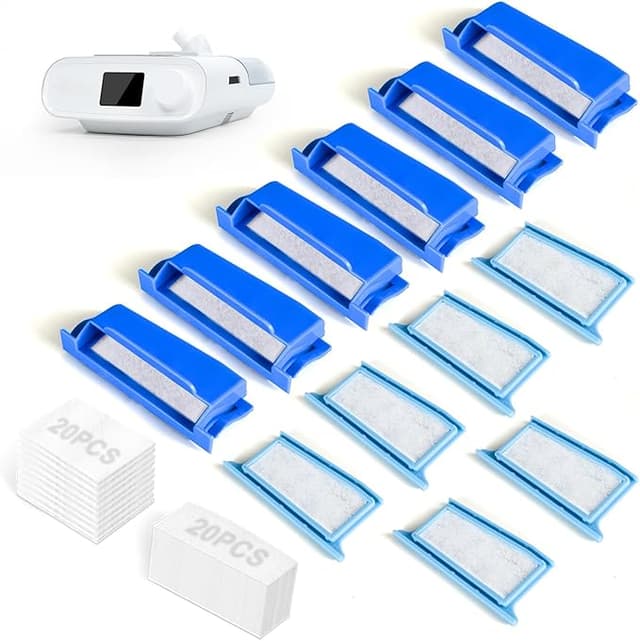
Do the arithmetic on that cadence. At every-two-weeks you're going through roughly 26 filters a year. OEM packs run you somewhere in the neighborhood of two to three dollars a filter once you account for the smaller pack sizes Respironics sells. The compatible packs I bought worked out closer to $20 for a big stack of them — enough to cover most of a year. Call it a difference of forty, fifty bucks annually for the exact same consumable job. That's not life-changing money, but it's a tank of gas every few months for a piece of gray foam I'm throwing in the trash twice a month.
Fit and install — does the cheap one actually seat?
This was my real worry. A water filter that leaks is annoying. A CPAP filter that doesn't seat right means unfiltered air going straight into your lungs all night, and that's the whole reason the part exists. So I paid attention.
The install itself is nothing. You find the air intake on the back of the DreamStation, pop the little flap open, slide the old gray filter out — and on a two-week-old one, trust me, you'll be glad to see it go — and push the new one in until it sits flush. Close the flap. Done in under fifteen seconds. The guide makes it sound technical; it isn't.
The compatible filters seated correctly every single time. Flush, no gap at the edges, the flap closed without me having to press it shut against a too-thick foam pad. That was the test I cared about and they passed it.
Where they're honestly a touch behind
Now the part a marketer would never tell you. The cut on the compatible foam is a hair less precise. On OEM filters the edges are clean and uniform; on a couple of the generic ones I noticed the corners were ever so slightly ragged, like they'd been die-cut a thousand times on the same blade. It didn't affect the seal — the foam still filled the slot — but if you're the kind of person who lines things up with a ruler, you'll see it.
And there's a smell. The first night with a fresh compatible filter, I caught a faint plastic-foam odor in the airflow for maybe the first ten minutes before I drifted off. Not chemical-harsh, more like a new pool float. By the second night it was gone completely. OEM filters had a little of this too, to be fair, just less. If you're sensitive to smells, run a new one in the machine for an hour during the day before you sleep on it. That solved it for me entirely.
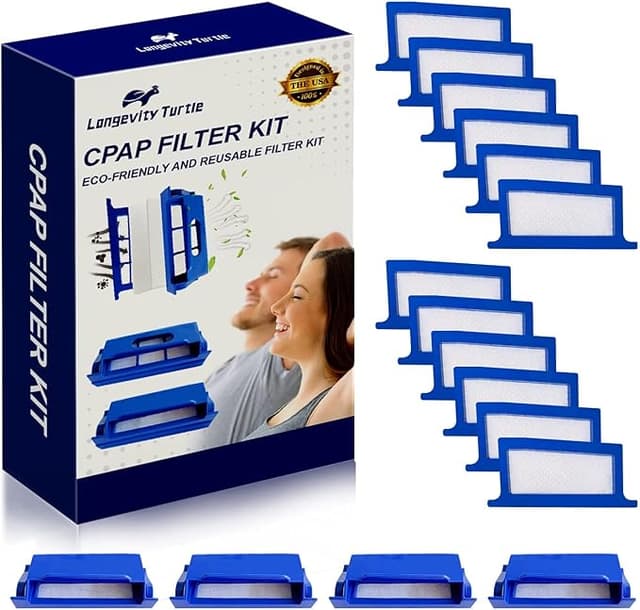
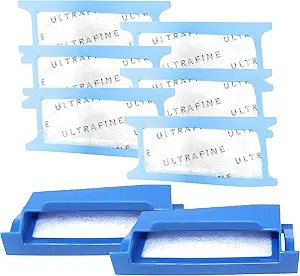
The packaging is also cheap. The OEM stuff comes in tidy sealed sleeves; my compatible pack was a bag of loose foam pads. Doesn't matter for performance — they're foam, not electronics — but it does make the whole thing feel less premium when you open it. I store mine in a zip bag in the nightstand so they stay clean, which honestly I should've been doing with the expensive ones too.
The thing you can't be cheap about
Let me be blunt about why I bothered testing this carefully instead of just buying whatever was cheapest. A saturated, gray, two-week-old filter isn't a cosmetic problem. It stops catching the dust and allergens it's supposed to catch, and a CPAP machine is actively pushing air into your airway for hours. A clogged filter also makes the blower work against more resistance. So the question was never "can I save money skipping filters" — you can't, don't — it was "does the cheaper filter do the actual filtering job as well as the costly one." After eight months and a lot of squinting at used foam pads, the compatible ones got just as dirty, just as evenly, as the OEM ones did. That's the tell. They're catching the same stuff.
Who should stick with OEM — and who I think should switch
If you've got a serious respiratory condition, a documented allergy to certain foams, or your sleep doc specifically told you to use Respironics-branded parts, listen to them, not to me. The forty-dollar annual savings is not worth second-guessing medical advice. Same if you simply sleep better knowing it's the exact part the manufacturer specs — there's real value in not thinking about it, and I won't talk you out of it.
But for the rest of us — people who own a DreamStation, change the filter on schedule, and just don't want to keep paying a premium for a disposable square of foam — the compatible filter has earned a permanent spot in my nightstand drawer. It seats right, it gets dirty at the same rate, the smell's gone by night two, and it costs me less than half. I doubted it. I tested it the hard way. And I've reordered the $20 pack twice now. That's the most honest endorsement I can give: I keep buying it with my own money.