Troubleshooting & Analysis
Thirty bucks for a piece of foam the size of a credit card
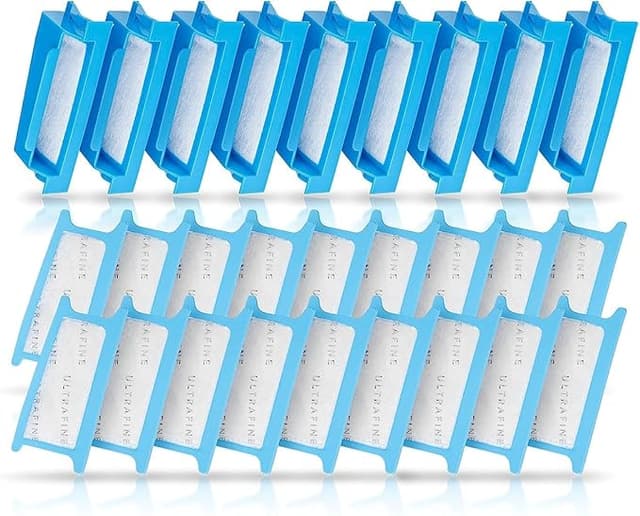
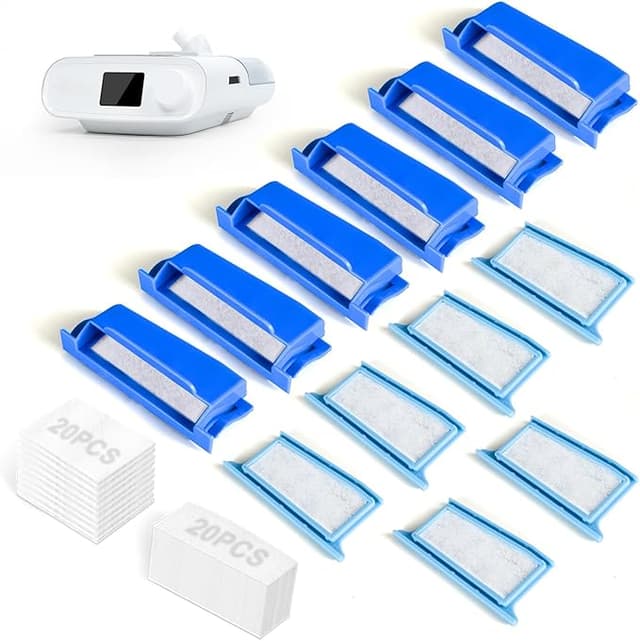
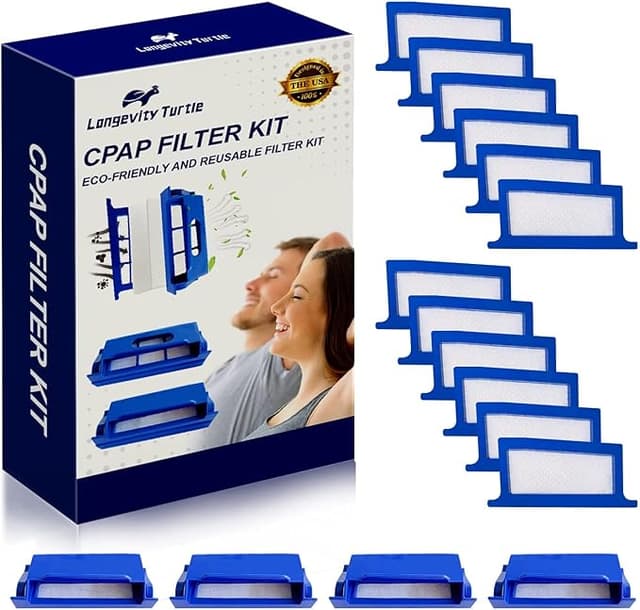
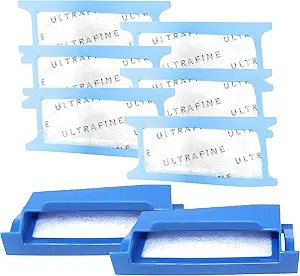
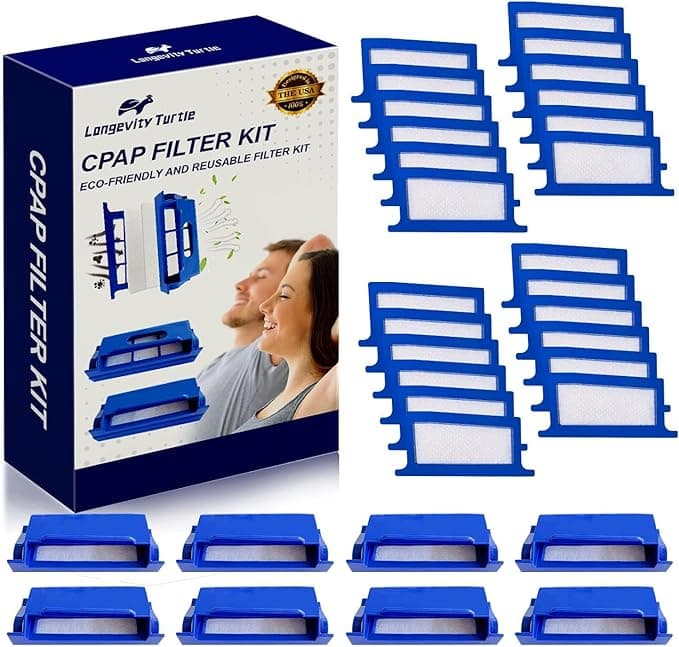
That was the moment it broke for me. I was standing in my bedroom holding the little Philips Respironics box — the official DreamStation ultra-fine filters, six of them — and the receipt said $29. Six. For a machine that wants a fresh filter every two weeks, that's a filter chewing through roughly a dollar a day just to breathe clean air while I sleep. Do the annual math on that and you're past $200 a year on foam. Foam. Meanwhile there's a compatible pack on the same search results page: thirty-some filters for around $14. Same dimensions, same grey-and-white look, a fraction of the cost per filter.
So I did what I always do. I bought the cheap ones and I ran them in my own machine to see if the OEM premium was buying me anything real, or just buying me the brand name printed on the box.
The fit — this is the part everyone's nervous about
I get it. With a CPAP you're not messing around. This air goes straight into your lungs for seven, eight hours a night, and the idea of jamming a no-name filter into a medical device feels a little reckless the first time. I was the same. I held the compatible filter up against a genuine one before I installed a single one of them, edge to edge, like I was checking a counterfeit bill.
Here's the honest read. They're cut to the same footprint. On my DreamStation I popped open the flap over the air intake, pulled the old grey filter, and slid the new one in — it seated flush, no overhang, no gap around the edge where unfiltered air could sneak past. The flap closed and clicked like it should. No forcing, no trimming, no folding a corner to make it go.
But I'll give you the one fit thing I noticed, because pretending it's identical would be lying. The foam on the compatible ones is a hair less dense than the genuine ultra-fine filter. You can feel it between your fingers — the OEM one has a little more body to it. In the intake slot that meant the cheap filter sat just slightly looser than the factory one did. Not loose enough to fall out, not loose enough to whistle or rattle, but if you're the type who notices things, you'll notice. After a week I stopped thinking about it.
How it actually performed over a couple of months
I ran these in my nightly therapy for about ten weeks, swapping every two weeks like the instructions say. Air smelled clean. No dustiness, no stuffy-room feeling when I woke up, none of that scratchy throat I used to get when I let an old filter go too long. The pollen here gets brutal in spring and I'm allergic to most of it, and the nights I was on these filters were no worse than nights on the genuine ones. As far as my nose and my morning sinuses could tell, the air was the same air.
When I pulled each one at the two-week mark to retire it, the foam had that even grey film of captured gunk across the whole surface — which is exactly what you want to see. It means the thing was doing its job, grabbing the dust and dander and pollen before it got pulled into the humidifier and down the hose. A filter that comes out looking pristine after two weeks is a filter that wasn't catching anything. These caught plenty.
The downsides, for real
First one: that faint plastic-and-foam smell out of the bag. The first two compatible filters I opened had a mild new-packaging odor — not chemical-harsh, more like a new yoga mat. It bugged me enough that I left the next filter sitting out on the nightstand for an afternoon before installing it, and by bedtime the smell was gone. By the third box I'd stopped noticing it at all. But the genuine filters didn't have it, and I'd be hiding the ball if I didn't tell you.
Second, and this is the bigger one: quality control is a little uneven across a big cheap pack. Out of the thirty-plus filters in mine, two had a slightly ragged cut on one edge — a few stray foam crumbs, nothing that stopped them sealing, but not the clean factory edge you get every single time from Philips. With OEM you're paying partly for that consistency, where every filter in the box is stamped identical. With the compatibles you're trusting a bulk run, and one in fifteen or so is going to look a touch sloppy. I just tossed the two ragged ones and moved on. At fourteen bucks for thirty, throwing away two and still being miles ahead on cost is an easy trade.
Third, smaller: the packaging is nothing. A thin plastic sleeve, no individual wrapping, no fancy box. Toss it in a drawer and it's fine, but it doesn't feel premium. You're not paying for premium.
Why I don't let this slide
The reason I'm fussy about any of this — OEM or not — is what a dead filter actually does. When that foam clogs up and you keep sleeping on it, you're not just losing airflow. You're pulling dust, dander, and whatever's floating in your bedroom straight past a saturated filter and into the air that goes down your throat all night. That's the whole point of changing it every two weeks instead of letting it ride for two months because the replacements were too expensive. And that, right there, is the quiet case for the cheap ones: a $14 pack of thirty means you'll actually swap on schedule, because it costs you nothing to. The $29 pack of six is the one you ration. I've done it. I've stretched a pricey filter an extra week because I didn't want to "waste" it, which is exactly backwards.
Who should buy OEM — and what I grab
If you've got a known reaction to off-brand materials, or your sleep doc has you on a tight protocol and wants the exact part number for liability reasons, buy the genuine Philips Respironics filters. No argument. The consistency and the no-smell out of the bag are worth the premium for some people, and peace with your own machine matters.
For everybody else — for me — the math is the math. Same fit, same clean air over ten weeks of real nights, a couple of small downsides I can shrug off, and a price gap that's not even close: about $14 for thirty versus $29 for six. That's roughly five times the filters for half the money. I'd buy the compatible pack again, and I already have. The only thing the OEM box was really selling me was the name printed on it, and my lungs can't read.