Troubleshooting & Analysis
Two boxes on the bathroom counter, and I just stood there
I had them side by side at eleven at night, both still in their shrink wrap. The Philips Respironics box for my DreamStation — the official disposable ultra-fine filters — and a generic pack I'd thrown in the cart on a whim because it was a third of the price. I'd already torn through my last official filter and I was tired. The honest reason I hesitated wasn't loyalty. It was that little voice: this thing pushes air into my lungs every night for seven hours, and I'm about to gamble on the cheap one?
So I did what any slightly paranoid person does. I opened both. Held them up to the light. Pressed them. And then I ran the generic for a full filter cycle — two weeks — and paid attention the whole time. Here's what I actually found, downsides and all.
The price gap is not small, and that's the whole point
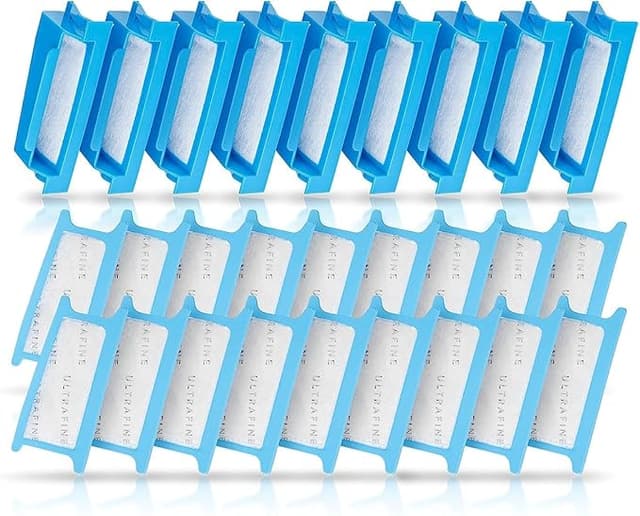
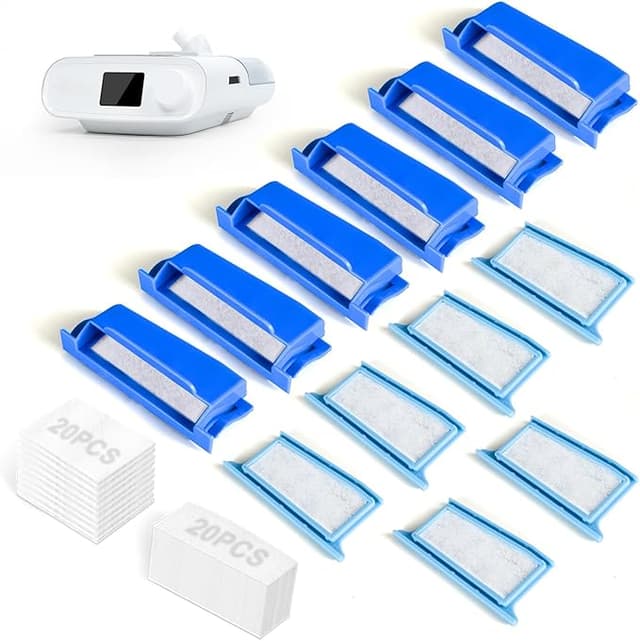
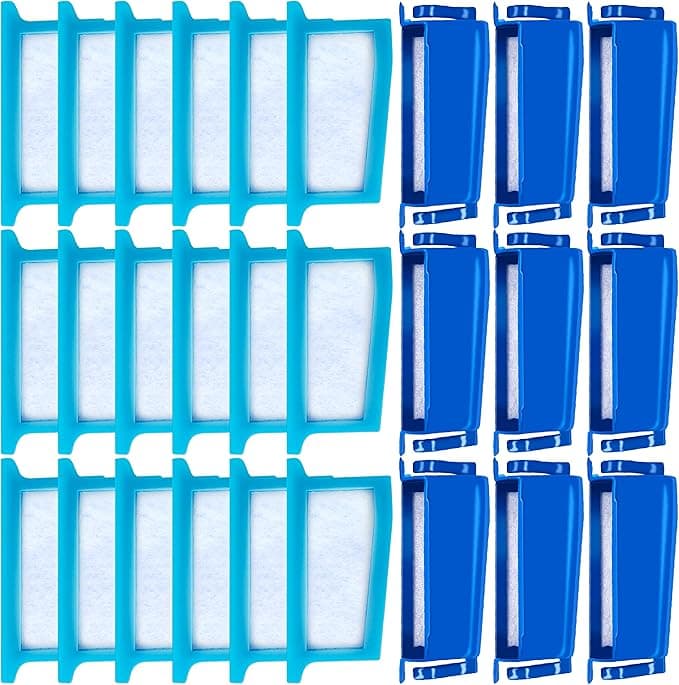
Let me give you the real math, because this is where the decision actually lives. The official Philips disposable ultra-fine filters run me about $24 for a pack of six. The generic pack I bought was roughly $9 — but for thirty-something filters, sometimes more depending on the listing. You replace these every two weeks, like the install card tells you. So OEM, riding the recommended schedule, is around $24 every three months. Call it $96 a year if you're disciplined about it. The generic? I'm spending maybe $15 a year on filters and I have a drawer full of spares.
That's an $80-a-year swing on a part you literally throw in the trash. Not a heirloom. A disposable square of media. When the gap is that wide on something you discard, the brand printed on the frame stops mattering and the actual filtration starts being the only question worth asking.
Does it fit? Yeah — with one honest caveat
The install is genuinely nothing. On the DreamStation you find the air intake on the side, pop the little flap open, and the old grey-white filter slides right out. The new one goes in the same slot, flap clicks shut, done. Thirty seconds, no tools, no thinking.
The caveat, and I promised I'd be straight with you: the generic filter sat a hair looser in the bay than the OEM did. Not loose enough to rattle or shift — the flap holds it firm once it's closed — but when I slid it in dry, there was a tiny bit of play the official one doesn't have. The cut on the foam is maybe a millimeter off being a perfect press-fit. Once that flap snaps over it, it's seated and it stays seated. I checked it after a week, still flush. But if you're the type who notices a slightly imperfect tolerance, you'll notice it for about three seconds during the swap, and then never again.
How it breathes — the part I actually cared about
This is a CPAP, so the filter has exactly one job: catch dust, pollen, and the fine junk floating in your bedroom before it gets pushed down the hose and into you. A clogged or cheap filter does one of two bad things — it either lets particles through, or it chokes airflow so your machine has to fight for it.
I didn't get either. Pressure delivery felt identical to the OEM. My DreamStation didn't labor, the ramp came up the same, and my mask pressure read normal on the unit's own display. Over two weeks the generic media greyed up exactly the way the official one does — which is what you want to see, honestly. That discoloration is the filter doing its job, grabbing the stuff you'd otherwise be inhaling at 2 a.m. A filter that stays pristine white isn't "clean," it's not filtering.
And on the health side — look, this isn't fearmongering, it's just the reason the part exists. A saturated, neglected filter pumps allergens and dust straight into your airway while you sleep, and you don't get to cough it out or notice in the moment. That's the actual stakes. Which is the quiet argument FOR the cheap ones: when a fresh filter costs you under a dollar instead of four, you swap it on schedule without flinching. The most dangerous filter is the one you leave in for two months because replacing it stings. Cheap filters get changed. Expensive ones get stretched.
The real downsides — more than one
I'm not going to pretend this was flawless. First: the smell. The first night, fresh out of the bag, there was a faint plastic-foam odor for maybe the first ten minutes of therapy. Not strong, not chemical-burn, just that new-packaging smell. It was gone by the second night completely. If you've got a sensitive nose you might want to pull the filter out of the bag a few hours before bed and let it air. With the OEM I didn't get that at all, so I'll give the official one that point.
Second: the packaging is cheap and a little chaotic. The OEM filters come in tidy individual recesses. My generic pack was just a stack loose in a bag, and one or two on the edges had slightly bent corners. None were damaged enough to toss, but it doesn't inspire the same confidence when you open it. You're paying for filtration, not presentation — but I'd be lying if I said the flimsy bag didn't make me double-check each one before installing.
Third, the smaller one: quality across a big bulk pack isn't perfectly uniform. Out of thirty, I had one where the foam edge was a touch ragged. It still worked fine once seated, but with OEM you don't see that variance. When you buy a thirty-pack of generics, budget for the idea that one or two might be cosmetically off.
So who should actually buy the OEM?
I'll be fair about this. If your DreamStation is still under warranty and you're the cautious type who doesn't want a single variable that a manufacturer could theoretically point at, buy the Philips ones and sleep easy. Same if you're extremely scent-sensitive and that first-night break-in smell would bother you, or if you simply value the cleaner packaging and tighter fit enough to pay the premium. No shame in any of that.
But me? After watching the generic breathe identically, grey up the same way, and seat firmly once that flap closes, I'm not paying four times the price for a disposable square. The $80 a year I save is real, and the practical payoff is bigger than the dollars — I now change my filter every two weeks like I'm supposed to, because it doesn't hurt to do it. I bought the cheap one nervous. I've reordered it twice since, not nervous at all. For my money, on a part you throw away, that's the easy call.