Troubleshooting & Analysis
The first thing I noticed wasn't the fit — it was the lack of a smell
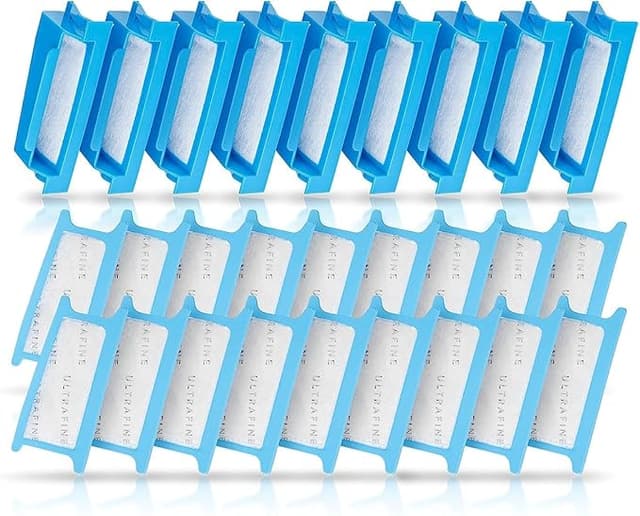
I braced myself for it. You hear "off-brand CPAP filter" and you picture some chemical plastic reek getting pushed straight up your nose at 2 a.m. I pulled the first generic out of the bag, held it to my face, and got the faintest whiff of new foam — like a fresh kitchen sponge, gone by the second night. That tiny non-event is what made me trust these enough to keep buying them.
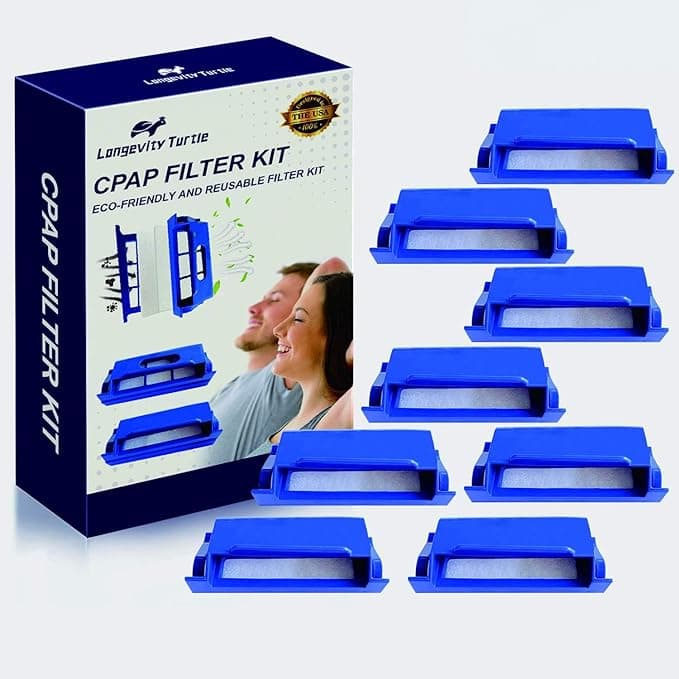
I run a Philips Respironics DreamStation. Have for a couple of years now. And for most of that time I was dutifully buying the genuine Philips filters, swallowing the price every time the box ran low, telling myself it's a medical device so of course I shouldn't cheap out. Then I actually did the math on what those little squares of foam and mesh were costing me per year, and I got annoyed enough to try the generic.
The price thing is genuinely dumb once you see it
Here's what got me. These filters are a wear item. You swap the disposable one roughly every two weeks — sooner if you've got pets or live somewhere dusty — and rinse or replace the reusable pollen filter on a similar cadence. That's around 26 changes a year if you're honest about it. Most people aren't, by the way. The filter in your machine right now is probably grayer than it should be.
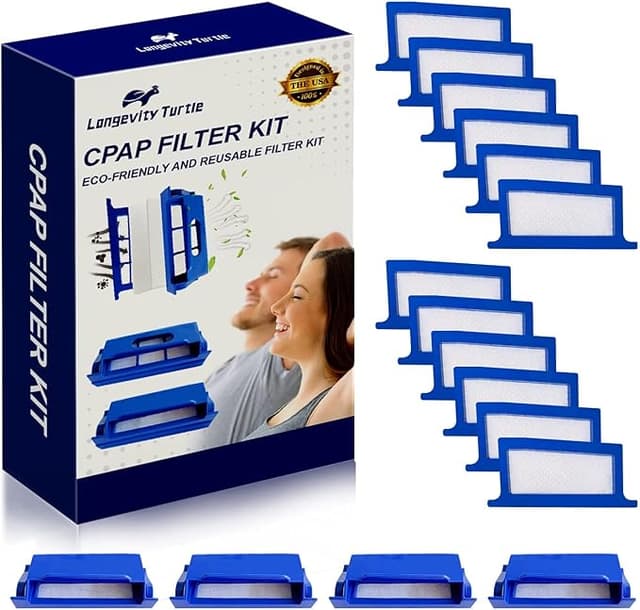
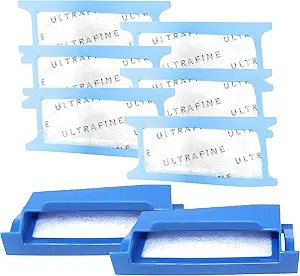
When you're changing something 26 times a year, the per-unit price stops being a rounding error. The genuine Philips filters add up fast over twelve months. The generic multipacks I switched to dropped my yearly filter spend to roughly a third of that — call it a $30-plus savings a year, conservatively. For a thing that is, functionally, a cut piece of filter media in a frame. There's no secret sauce in here. It's foam and ultrafine mesh. Philips isn't using NASA polymer.
That was the real click for me — not the literal click of the filter seating, the mental one. I'm paying a brand tax on a disposable.
Does it actually fit the DreamStation?
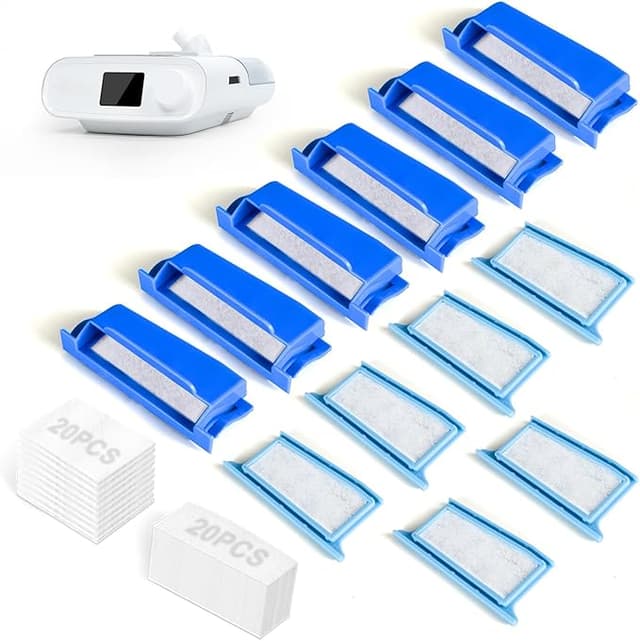
This is the only thing that would've made me send them back, so I checked it carefully. The DreamStation's intake is on the side. You pop the little flap open, the old gray-white filter slides out, the new one goes in, flap closes. Simple. With the genuine filters there's a snug, confident seat.
The generics fit. They seat. The flap closes and stays closed. But I'll be straight about the one real difference: the frame on these is a hair looser than OEM. Not loose enough to rattle, not loose enough to let air sneak around the edges — I checked by feeling for an unfiltered draft and there wasn't any — but put a genuine filter and a generic side by side and the OEM one grips the slot a touch more. The first time I installed a generic I pushed it in, felt it go easier than I expected, and pulled it back out twice to make sure it was actually seated and not just resting. It was seated. Nothing has shifted or fallen out mid-night since.
So it fits. It just doesn't fit with that over-engineered Philips snugness, and if that little difference is the kind of thing that'll haunt you, know it going in.
How it actually performs, four months in
I've been running these in my bedroom unit for about four months. What I care about is whether the air feels clean and whether the filter is actually catching gunk — and the proof is right there when you pull a used one. After two weeks, the generic comes out with the same gray dusty film the genuine one always had. It's grabbing particles. That's the whole job.
Breathing-wise, I honestly can't tell it apart from OEM. No extra resistance, no whistling, no dryness I didn't already have. My therapy numbers in the app didn't budge when I switched — same AHI, same mask-fit feedback, nothing flagged. If a cheaper filter were choking airflow, the machine would be working harder and I'd feel it. I don't.
Where it's a touch behind: the media feels very slightly thinner to the pinch than the genuine pollen filter, and the breakdown past the two-week mark seems a smidge faster — by week three a generic looks a little more spent than an OEM would at the same age. The fix is just... change it on schedule. Which you should be doing anyway. Look, I'd rather have an affordable filter I'll actually replace on time than an expensive one I leave in for a guilty extra month because swapping it stings my wallet.
The downsides, for real
The packaging is cheap. The filters come in a thin bag instead of crisp individual compartments, and a couple in my first multipack had slightly squished corners from shipping. Cosmetic — they still fit fine — but it doesn't inspire the same confidence as the OEM box. The squished one straightens out in the slot, for what it's worth.
That faint foam smell on day one is real, too. Mild, gone fast, but the first night with a brand-new one I was a little aware of it. Airing the filter out of the bag for an hour before installing basically kills it entirely.
And there's the honest emotional downside: this is a medical device touching the air you breathe for eight hours a night, and going off-brand takes a small leap of faith the first time. I get it. I made that leap reluctantly. Four months of clean pull-outs and unchanged therapy numbers later, the trust is earned, not blind.
Why I stopped letting it slide
The reason any of this matters: a saturated CPAP filter isn't just gross. It starts pushing the dust, dander, and allergens it's supposed to trap right back into the airstream — into your lungs, while you sleep and can't do a thing about it. A clogged filter also makes the blower strain. The cheapest insurance against both is simply changing the filter on time, and the whole argument for the generic is that it makes "on time" something you'll actually do — because each swap costs pocket change instead of a guilt-inducing chunk.
Who should buy what
If you're newly diagnosed, anxious about your therapy, or your machine is under a warranty you're nervous about — buy the genuine Philips filters for now and keep your stress low. That's worth the premium while you find your footing. Same if you've got severe respiratory sensitivity and want zero variables in the equation.
But for the rest of us — people who've done this a while, who know what a working filter looks like, who are tired of paying brand prices for disposable foam — the generic is the easy call. Same gray film on pull-out, same therapy numbers, same job, for roughly a third of the cost. The frame's a hair looser and the bag's cheap. That's the entire list of complaints. For thirty-plus bucks a year back in my pocket on something I'm throwing away anyway, I'd buy these again. And I have — I'm on my third pack.