Troubleshooting & Analysis
Two dollars a filter, or twelve cents — same gray foam
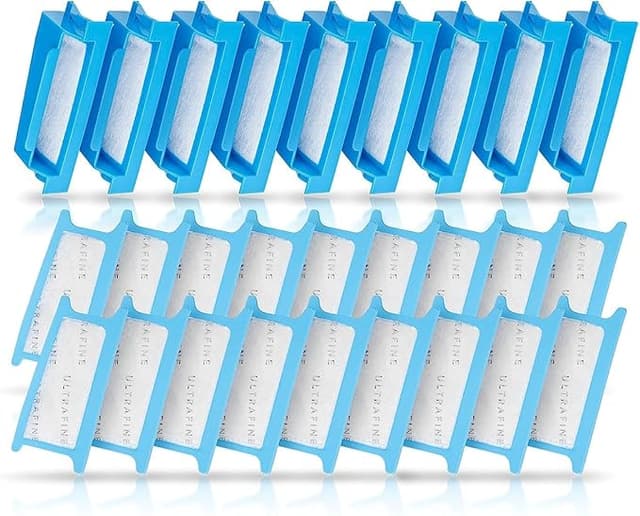
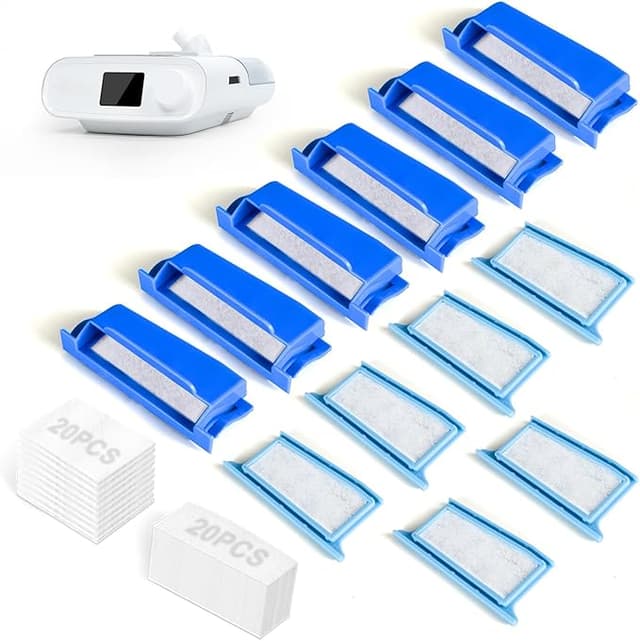
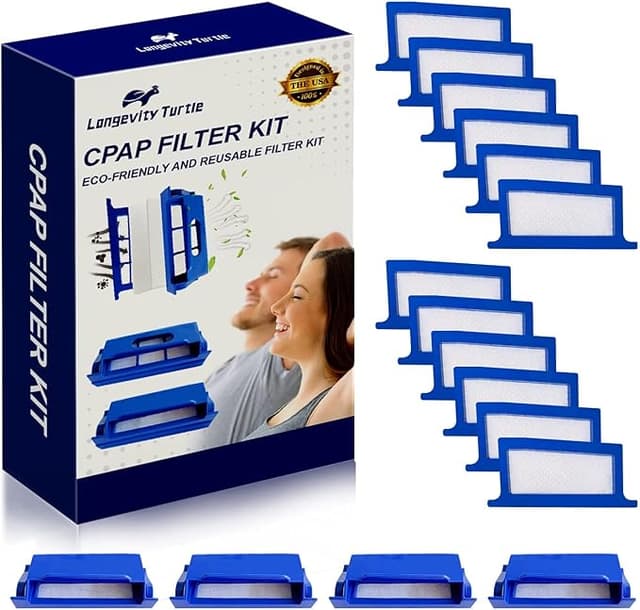
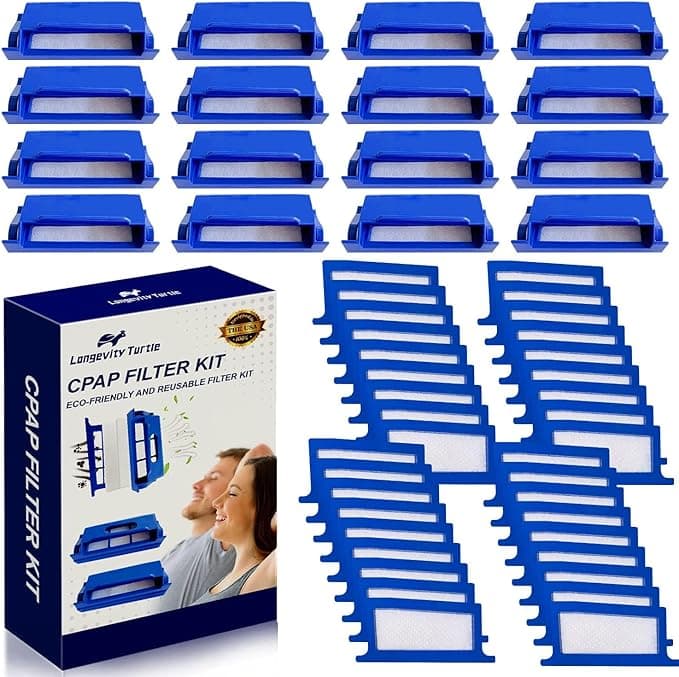
I did the math standing in the pharmacy aisle, holding a box of OEM CPAP filters, and it kind of made me angry. A name-brand two-pack of disposable ultra-fine filters runs about $13 — and you're supposed to swap them every two weeks. That's roughly $6.50 a month, $78 a year, for two squares of gray foam that probably cost a nickel to stamp out. Then I found the 52-pack of compatibles for around $14. Fifty-two filters. That's a full year of swaps, at about twenty-seven cents apiece, for less than what the brand charges for two.
Let me say that gap a different way, because it stopped me cold: the OEM route is close to $78 a year. This 52-pack is a one-time $14 and it lasts you the whole year, sometimes longer. Same job — sit in the air intake, catch the dust before it goes into your lungs while you sleep. I bought the cheap box. Here's what actually happened.
First, the part everyone's nervous about: do they fit?
This was my worry too. CPAP filters aren't all one size, and a compatible that's a hair too small flutters in the intake or lets air sneak around the edge, which defeats the whole point. I run a Philips Respironics machine, and these are cut for that intake slot. I popped the flap open on the back, pulled the old grayish filter out — it was darker than I'd like to admit, which is its own argument for changing them more often — and pressed the new one in.
It seated. Snug. Not loose, not so tight I had to force the flap shut. Honestly the cut on these was cleaner than I expected for the price; the foam squares were uniform, no ragged edges, no two that were obviously different sizes in the stack. I've had OEM filters that were floppier. The flap closed flush and I didn't hear any of that faint whistling you get when air is escaping past a bad seal. Therapy pressure felt identical that first night — no extra hiss, no change in how the mask held.
The honest downsides — and there are a couple
I'm not going to pretend these are flawless, because they're not, and a review that only gushes is a review you shouldn't trust.
One: the smell. For the first night, maybe two, there was a faint new-foam plastic odor — not strong, but if you're the kind of person who notices the smell of a new shower curtain, you'll catch it. I left a couple of filters sitting out of the bag on my nightstand for a day before using them and that pretty much killed it. By night three I couldn't smell anything but my own room. Still — it's there at the start, and with something you're literally breathing through all night, I'd rather tell you than have you wonder.
Two: the packaging is cheap. They come crammed into a thin plastic bag or a flimsy box, all 52 loose together. There's no individual wrapping, no tidy dispenser. That means the filters at the bottom can get a little squished, and you're handling them with your fingers when you pull one out. It's not a dealbreaker — they spring back to shape and they're disposable anyway — but it feels less "medical" than the branded box. If you want something that looks reassuringly official sitting in your bathroom drawer, this isn't it. It's a bag of foam squares. A very cheap, very functional bag of foam squares.
Three, and this is the one I'd flag hardest: because they're so cheap, it's tempting to get lazy and run one for a month instead of two weeks. Don't. The low price is exactly what makes a two-week swap painless, so use that. A saturated, dust-clogged filter isn't a money problem anymore — it's pushing your blower to work harder and letting allergens and fine dust ride straight into your airway while you sleep. With OEM at $6.50 a month you feel each swap; with these you don't, so there's genuinely no excuse to ride a dirty one.
How they actually performed over a few months
I tracked them the boring way — I wrote the swap date on a sticky note on the machine. Over about four months and roughly eight filters, here's what I noticed: each one came out visibly dirty at the two-week mark, gray going to brown, which is the filter doing its job. The airflow into the mask stayed consistent the whole interval; I never woke up feeling like I was getting less air, and my machine's pressure readout didn't climb the way it does when an intake starts choking. My morning congestion, which I'd half-blamed on the room, was no different than it'd been on OEM. If anything I was changing them more often than I used to precisely because I wasn't wincing at the cost each time.
Where are they a touch behind the brand? Marginally less consistent foam density square to square — out of 52, a few felt very slightly thinner than the others. In practice it made zero difference to fit or to how dirty they got, but a lab would probably measure a hair more variation than the OEM line. That's the trade. For pollen filtering in a normal bedroom, I never noticed it.
Who should skip these — and why I keep buying them
If your sleep doc handed you a specific spec'd filter as part of a managed therapy plan, or you've got a serious respiratory condition where every variable is dialed in, buy exactly what they told you to and don't overthink the price. Same if the new-foam smell is a hard no for you — some people are sensitive and that's valid.
For everyone else — and that's most of us just trying to keep dust out of a CPAP without getting nickel-and-dimed — these are the ones I grab. I've now reordered the same 52-pack twice. The fit is right, the filtering holds up over a full two-week run, and going from $78 a year to $14 means I actually change them on schedule instead of stretching a dirty one to save a buck. The smell fades, the packaging's ugly, and I genuinely do not care. For sixty-something dollars a year back in my pocket, doing the same job, I'd buy them again. I have.