Troubleshooting & Analysis
I'll be honest about where I started: I didn't believe a $2 brush head could do the same job as the genuine Oral-B one. I'd been paying for the real PRECISION CLEAN refills for years — four to a box, and every time I tore one open I winced a little at what I'd spent. So when a friend told me she'd switched to the cheap compatible heads and her teeth felt exactly the same at her last cleaning, my first thought was that she just couldn't tell the difference. I figured she'd downgraded and didn't know it.
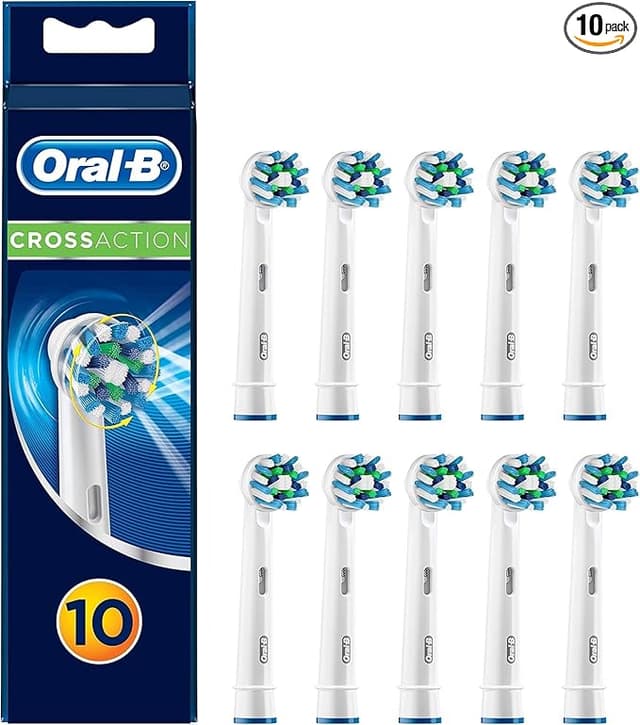
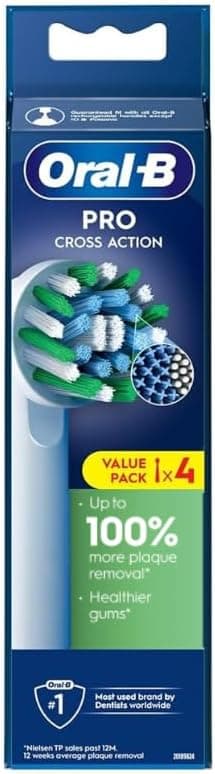
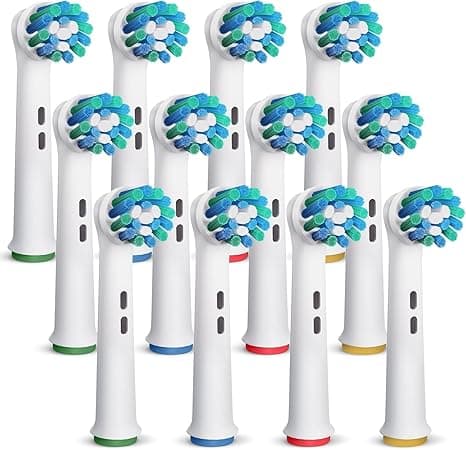
So I bought a pack to prove her wrong. Eight compatible PRECISION CLEAN-style heads for about $15 — call it under two bucks a head — sitting next to a four-pack of the OEM ones that ran me close to $30. That's roughly $7.50 a genuine head versus $1.90 for the aftermarket. A year of brushing, swapping every three months, is four heads. Genuine: around $30. Compatible: under $8. I expected to spend that $8 finding out why the real ones cost four times more.
The first thing I checked was the fit
Because that's where a knockoff usually gives itself away. You pull the old head straight off the metal shaft — it slides off with that little resistance you know — rinse the shaft under warm water, and push the new one on until it clicks. With the OEM head that click is crisp and the head sits dead-flush against the handle, no gap, no wobble.
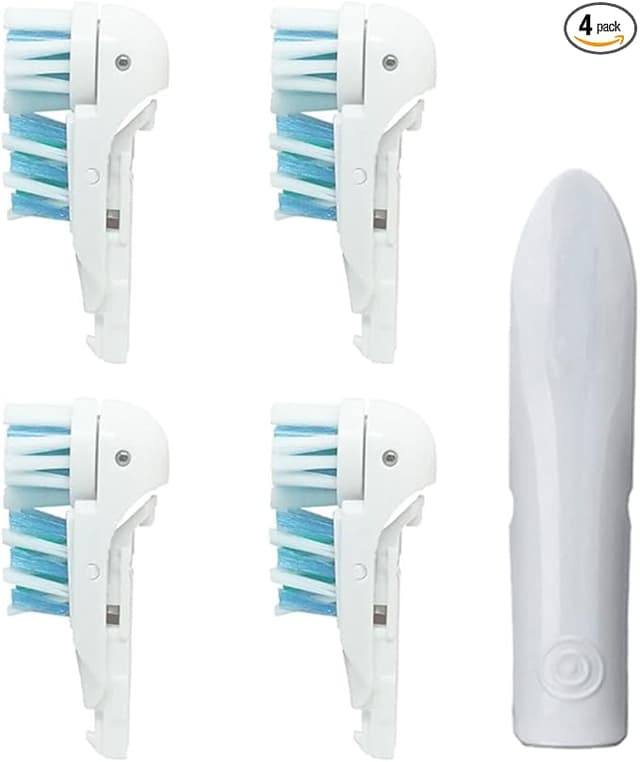
The compatible head clicked too. Seated fully. But I'll tell you the real downside up front, because it's the thing you'll notice if you're the type who notices things: the seam where the head meets the handle isn't quite as tight. On my genuine refills there's basically no visible line. On these there's a hair of a gap — maybe a millimeter — and the plastic collar feels a touch lighter in the hand. If I really go looking for play, wiggling it hard, I can feel a tiny bit that the OEM head doesn't have. In normal brushing? I cannot feel it at all. The head doesn't rattle, doesn't loosen over a session, doesn't pop off. But that looser collar is real, and I'm not going to pretend it isn't there.
The other small thing: the first one had a faint plastic smell when I opened it. Not chemical-strong, just that new-molded-plastic thing. I ran it under hot water, brushed once, and by the second day it was gone completely. Packaging is cheap too — a thin plastic clamshell, no fancy box. None of that touches your teeth, but if you're paying for the OEM experience, part of what you're paying for is the box, and you should know you're not getting it here.
How it actually brushes
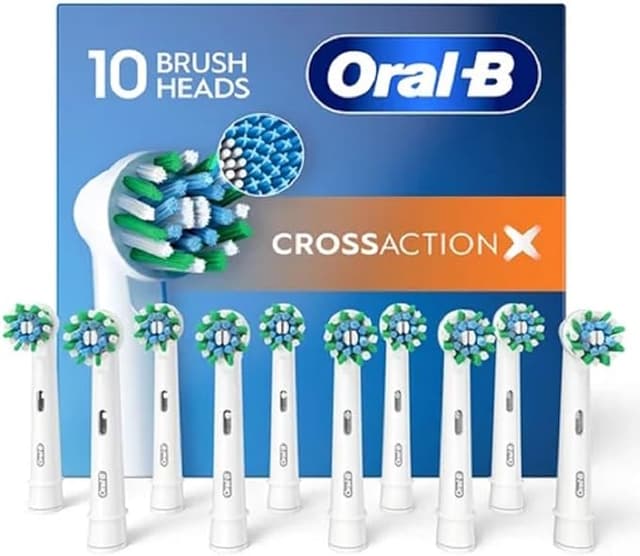
This is the part I cared about, and the part I was sure would expose it. The bristles on these are the same DuPont bristles the genuine heads use — that's the whole pitch, and after using them I believe it. The bristle pattern matches the PRECISION CLEAN layout: the longer outer tufts to reach around each tooth, the shorter packed center. The motor spins them at the same oscillation, because the motor lives in the handle, not the head — and that's the quiet truth nobody selling you $7 refills wants to say out loud. The expensive part of an electric toothbrush is the handle. The head is bristles on a plastic stem.
After my cleaning a few months in, my hygienist did her usual scrape-and-poke and said things looked good — same as always. No new plaque buildup, no spots I'd been missing. I run mine twice a day in my bathroom, full two minutes, and the in-mouth feel is honestly indistinguishable from the genuine head for the first six or seven weeks.
Where it falls a touch behind: longevity at the tail end. The faded-indicator bristles that signal replacement went pale a little faster on the compatible heads — by week ten they'd lightened more than I'd expect, where the OEM ones usually hold color closer to the full three months. And the very outer bristles started to splay slightly earlier. Not dramatically. But if you're a person who pushes a replacement head to four or five months to save money, these won't reward that the way a genuine head might. At under two dollars each, though, why would you stretch them? Swap on schedule and it's a non-issue.
Why I don't let a worn head ride
This matters more than the price, so let me put it plainly. My dentist has told me the same thing twice: worn-out, splayed bristles on a PRECISION CLEAN stop removing plaque effectively. They just slide over it. And an old brush head — any old head, OEM or not — collects bacteria over weeks of sitting damp in a bathroom. Millions of them. The three-month rule isn't a gimmick to move refills; it's the point at which a head quietly stops doing its job and starts being a thing you're rubbing on your gums.
Here's the connection people miss: the reason most of us push a head past its date is the cost. Seven, eight bucks a swap adds up, so you tell yourself it's "still fine" and ride it another month. The compatible heads broke that habit for me. At under two dollars, I have zero hesitation tossing one and clicking on a fresh one the moment the bristles start to look tired. The cheap head, used on schedule, ends up cleaner and more effective than an expensive head I guilt-tripped myself into stretching.
Who should still buy genuine — and what I actually do
If you want the exact factory seal, the boxed presentation, and that millimeter-tighter collar with zero compromise — or if you tend to be rough on the seam and want the most rigid fit possible — buy the OEM refills. There's nothing wrong with them. You're paying for that last bit of finish, and for some people that's worth $30 a year. No judgment there.
But me? I came into this trying to catch the cheap head failing, and it didn't. The fit is a hair looser, the packaging is junk, the indicator bristles fade early — all true, all minor. What's also true: the bristles clean my teeth as well as the genuine ones did, my hygienist can't tell the difference, and I'm spending under $8 a year instead of close to $30. I switched my whole household over, and I'd buy them again. I already have — twice.