Troubleshooting & Analysis
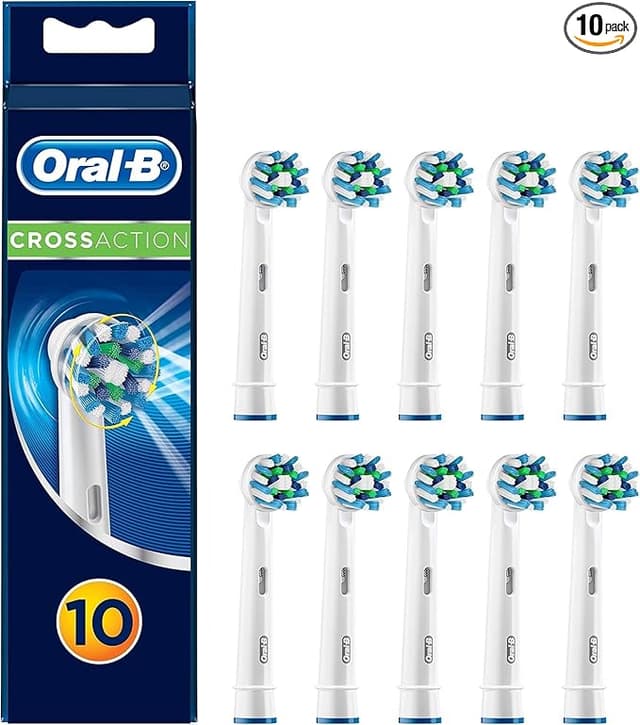
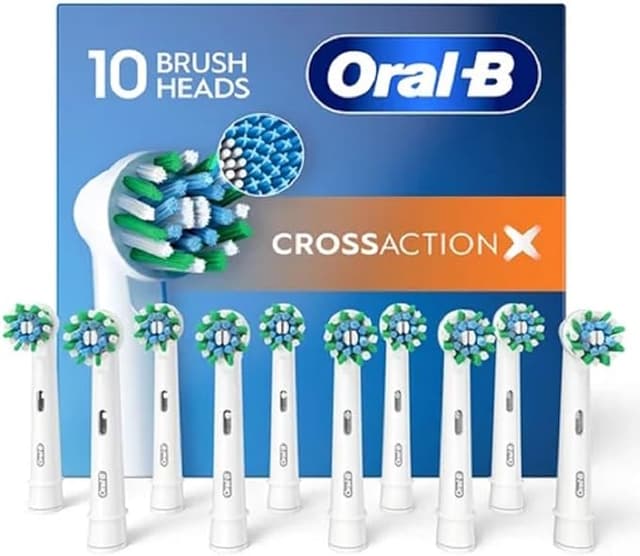
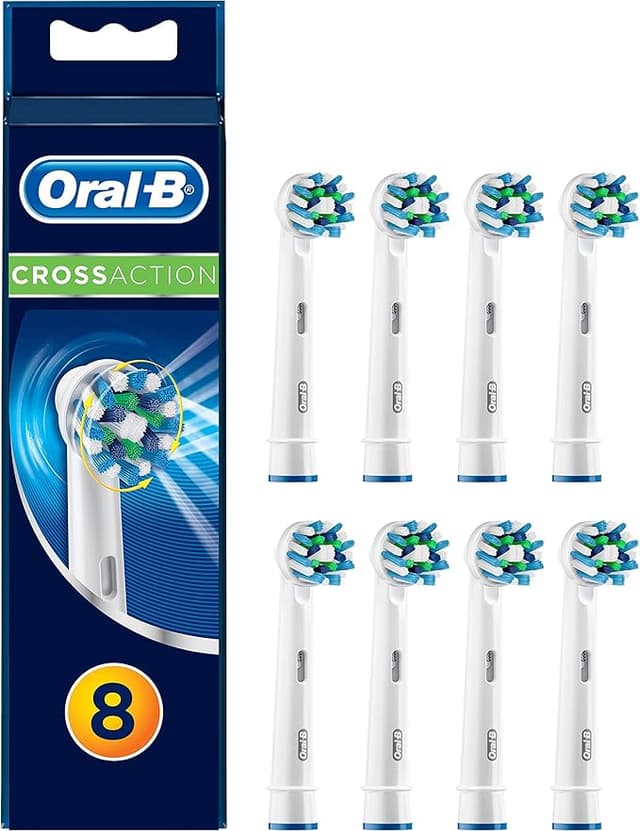
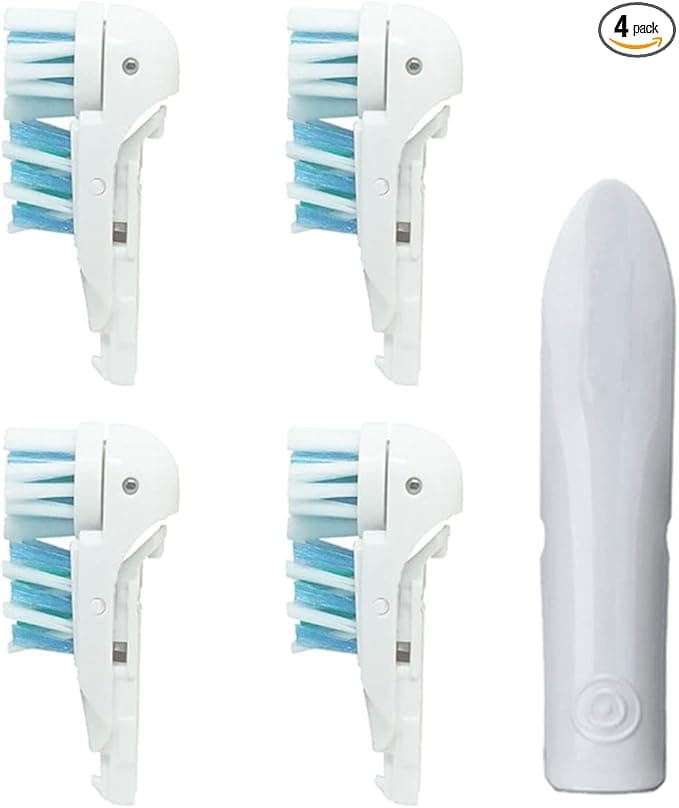
Four heads. That was the number that made me stop and actually do the math in the toothpaste aisle. A pack of genuine Oral-B 3D White replacements was running me about $40 for four, and I go through one every three months like the dentist tells you to — so call it roughly $40 a year just to keep my brush honest. The compatible four-pack sitting two pegs over was $16. Same bristle shape, same little blue fade-bar that tells you when it's worn, same snap-on stem. I stood there doing the dumbest arithmetic of my week: I was paying a $24 premium per year for a printed logo on the package.
So I bought the cheap ones. Not because I trusted them — I didn't, not really — but because $24 a year on something I literally spit into a sink is the kind of waste that bugs me. Here's what actually happened over the six months I've been running them on my Oral-B 3D White handle.
The fit — the part I was most nervous about
This is the thing people worry about, and it's the right thing to worry about. The whole value of these brushes is the oscillating head, and if the compatible stem doesn't seat fully onto the metal shaft, you get rattle, wobble, and a head that flies off mid-brush. I've had that happen with a no-name electric razor blade once and never forgot it.
The good news: it clicks. There's a real, positive click when the head goes on — same as the OEM, that little seated thunk you feel through your thumb. I pulled it back off and reseated it probably five times the first morning just to be sure I wasn't imagining it. It holds. Six months in, not one head has worked loose, and I brush twice a day plus the occasional aggressive scrub after coffee.
I'll be straight about the one fit thing I noticed, though. On two of the four heads in my first pack, the plastic collar where the head meets the handle was a hair — and I mean a hair — looser than the genuine one. Not loose enough to wobble in use. But if you spin the head with your fingers when the unit's off, you can feel a tiny bit more play than the OEM has. It didn't translate into anything I could feel while brushing. It just told me these were made to a slightly cheaper tolerance, which, at 60% off, fine.
How it actually cleans
I genuinely cannot tell the difference at the teeth. The bristle pattern matches the 3D White layout — the cup of softer outer bristles around a stiffer center — and it does the polishing thing the genuine heads do. My hygienist didn't flag anything at my spring cleaning, and she's the type who'll tell you if you've been slacking. No extra plaque callout, no "are you still using your electric?" My teeth feel exactly as smooth at the end of a brush as they did on the brand heads.
The fade-bar — the blue indicator bristles that lose color to tell you it's time to swap — works, but it's where I'd dock points if I were grading. On the genuine heads the blue fades pretty evenly over those three months. On the compatibles, the dye is a little cheaper, and the blue washed out faster than the bristles actually wore down. Mine looked "due" at maybe seven weeks when the bristles still had real life. So I stopped trusting the color and just went by the calendar — three months, swap, done. Honestly that's how you should do it anyway, but if you rely on the indicator, know it cries wolf a little early.
The downsides, no sugar-coating
Let me give you the real list, because a review that's all thumbs-up is a review you shouldn't trust.
- The packaging is cheap. Genuine heads come each in their own sealed hygienic cap. My compatible pack had all four loose in one plastic clamshell, no individual caps. For something that goes in your mouth, I'd have liked the individual seals. I rinse a new head under hot water before first use now, which I probably should've been doing anyway.
- Faint plastic smell out of the pack. The first head had a slight new-plastic smell for the first two or three uses. Not taste — smell, and only if you put your nose right on it. Gone by day three. The OEM heads don't really have this. It's a sign of cheaper molding, and it didn't bother me, but if you're sensitive to that, rinse it well or run it dry for a few seconds before the first brush.
- Bristle stiffness drifts a touch sooner. Around month two and a half, the bristles felt slightly softer than a genuine head does at the same age — they go a little floppy a couple weeks before the calendar says swap. Which is exactly why the three-month interval matters here: ride a worn head past its date and you're scrubbing with limp bristles that don't clean and can actually irritate your gums. Cheap part, easy swap, no excuse to push it.
Why I don't let a worn head linger
This is the part that's easy to skip and shouldn't be. A spent brush head isn't just less effective — it's the consumable that protects everything downstream. Worn, splayed bristles stop reaching the gumline and start dragging across enamel and soft tissue instead of cleaning it. And here's the mechanical bit people miss: a stiff, gunked-up old head makes the motor work harder against the extra friction, and that drivetrain wasn't built to fight a worn part for months on end. The head costs four bucks. The handle costs fifty-plus. At $16 for four heads, there is zero financial reason to ever run one past its date — which kind of undercuts the whole "but is the cheap one good enough" question. The cheap one being cheap is exactly what makes you swap it on time.
Who should still buy genuine
I won't pretend these are for everyone. If you've got sensitive gums or recent dental work and your hygienist specced a particular Oral-B head for a reason, stick with the genuine — that's a medical call, not a money one. If the individual hygienic caps actually matter to you, the OEM pack has them and these don't. And if the few-bucks difference genuinely doesn't register in your budget, there's nothing wrong with buying the brand and never thinking about it again.
But for me? Same click, same clean, same three-month rhythm, for $16 instead of $40. The looser collar and the early-fading indicator are real, and I told you about them, and neither one changed how clean my teeth feel walking out of the bathroom. I'm on my third pack now. I'd buy them again — I just did.