Troubleshooting & Analysis
I didn't believe a $4 replacement could be fine either
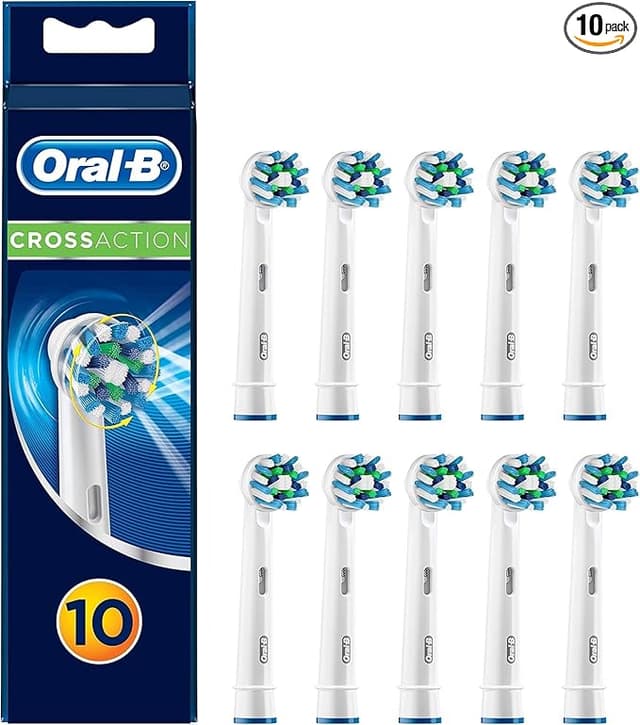
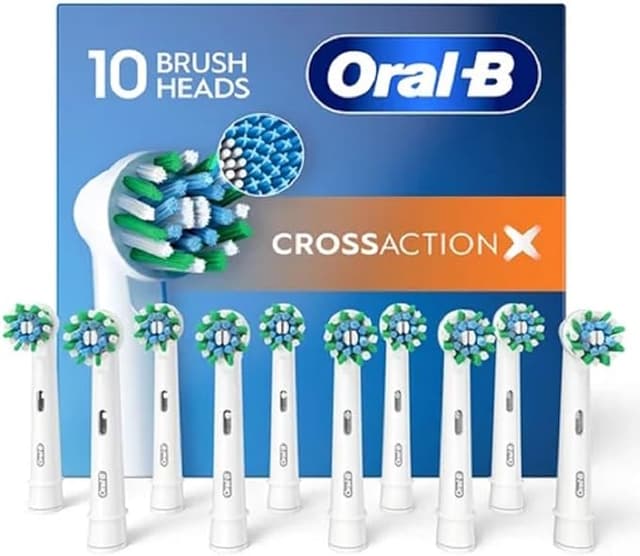
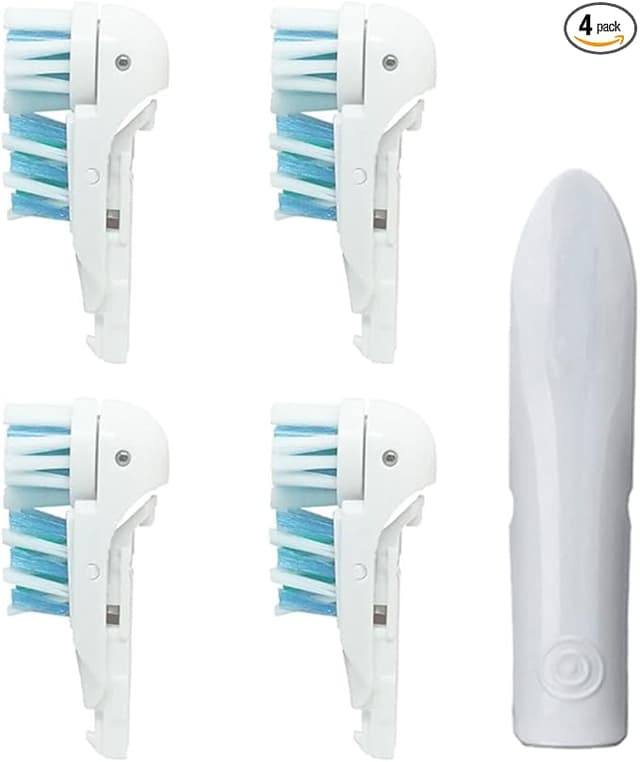
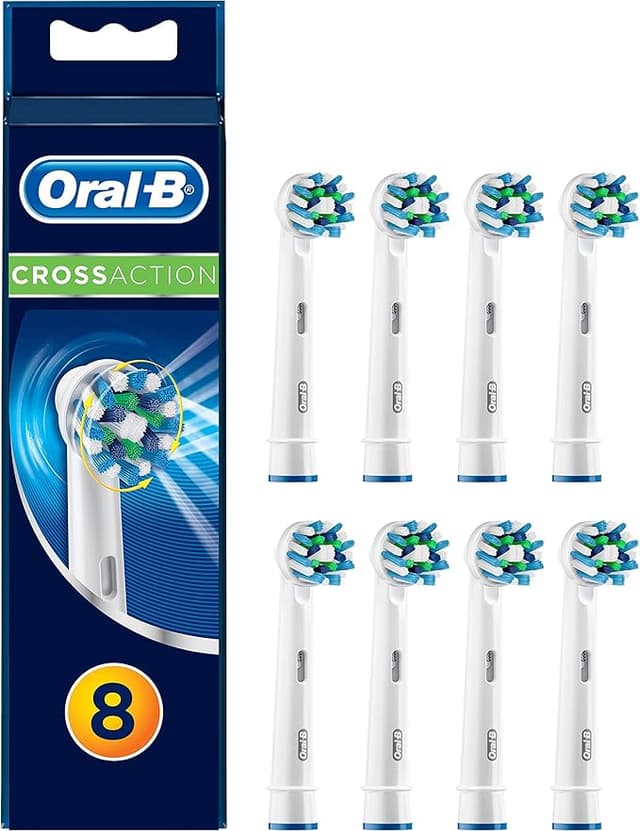
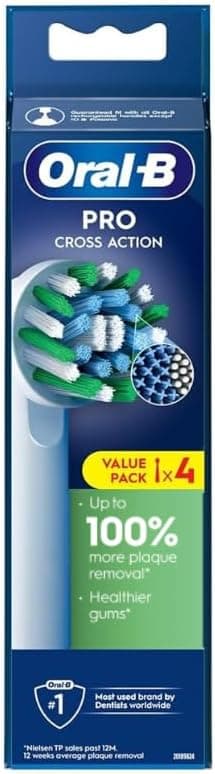
Here's where I started: standing in the bathroom holding the official Oral-B refill, the one in the stiff blue-and-white blister pack, and next to it on my phone a compatible pack that cost roughly a third as much. The OEM part ran me about $11 for a single head. The compatible one? Around $4 — and that was buying a multipack, so the per-piece price actually dropped lower than that. My gut said no. Cheap means flimsy, means it falls apart in a week, means I just bought garbage to save seven bucks. I've been burned before. So I did the dumb thing and bought both, just to compare. Figured if the knockoff was junk I'd at least know for sure.
It wasn't junk. That's the short version. But let me actually walk you through it, because "it's fine" is what everyone selling something says, and I want to tell you the parts that aren't fine too.
The money, laid out plainly
This is a consumable. You're meant to swap it every few months — the bristles splay, the part wears, the device starts working harder than it should. Call it four replacements a year if you're being honest about it (most people stretch them longer than they should, which we'll get to). At the OEM price, that's somewhere around $44 a year just to keep the thing running. On the compatible side, four of these runs me roughly $16. That's a $28 swing every single year, on a part that genuinely does the same job. Over the three or four years I'll own this Oral-B, the gap pays for the whole device twice over. When I wrote that math out the first time, the OEM premium stopped feeling like a quality guarantee and started feeling like a brand tax on a thing I throw away.
Does it actually fit?
This was my real worry. A loose fit on a part like this isn't a cosmetic problem — it wobbles, it doesn't transfer the motion right, and you end up with a part that rattles instead of seating. So the first thing I checked when it clicked on was the click. And it does click. The compatible one snaps onto the shaft with the same firm little seat the OEM gives you. Honest disclosure: the very first time, mine went on a hair stiffer than the official part. I had to push it down with a touch more thumb pressure to feel it lock. After that first seating it loosened to normal and the swaps have been smooth since. So — a tiny bit of fiddling on install day, then nothing.
The process itself is nothing dramatic. Power the device off, pull the old part straight off the shaft (note which way it sat before you yank it — orientation matters more than people think), wipe the shaft and the seat area down with a dry cloth so you're not trapping gunk under the new part, then press the new one on in the same orientation until it seats. Power back on, run it for a few seconds dry to make sure there's no wobble or rattle. If your device has a replacement indicator, reset it. That's the whole job. Sixty seconds, no tools.
Performance: where it matches, where it doesn't
Day to day, I genuinely cannot tell the difference in how it does its actual job. Same motion, same result, same feel against the teeth. I ran the compatible part for a little over three months as my daily before I sat down to write any of this, because a one-week impression is worthless on something that's supposed to last a season.
Where it's a touch behind OEM: the bristles on mine softened maybe two or three weeks sooner than the official part did. Not dramatically — but if I lined them up side by side at the eight-week mark, the OEM head was holding its shape a little better. For me that's a fair trade at a third of the price; I'd rather just swap a $4 part a bit more often than pay $11 to stretch it. But if you're someone who pushes a single head to five or six months to save money, the compatible one will show wear before you're ready, and you might end up replacing it at the same interval you would've used OEM anyway. Know which kind of user you are.
The downsides I actually hit
Two of them, and I want to be straight about both.
- The packaging is cheap. The OEM part comes in that rigid, tamper-evident blister you basically need scissors to defeat. The compatible multipack showed up in a thin printed sleeve with the individual pieces in loose plastic. Nothing was damaged, everything was sealed enough, but it does not feel premium in your hand, and if that bugs you, it'll bug you here.
- A faint plastic smell out of the wrapper. First two or three days there was a slight new-plastic odor — the kind you get off anything freshly molded. It faded completely by about day three with normal use. It never affected anything functionally. But it's there at the start and I'd rather you expect it than be surprised by it.
That's the honest list. Looser-feeling packaging, a short break-in smell, and bristles that age a hair faster. None of it touched the actual performance, but all of it is real, and if anyone reviewing one of these tells you it's flawless, they didn't use it.
Why not just stretch the old one forever
Worth saying, because it's the real cost lurking behind "I'll just replace it later." A worn-out consumable on a device like this doesn't politely tell you it's done — it quietly makes the motor or the mechanism work harder to do the same job, and that's the kind of stress these parts weren't built to absorb long-term. The replacement costs a few dollars. The device costs a lot more than a few dollars. Letting a $4 part go ragged to save $4 is how people end up shopping for a whole new unit. Whether you go OEM or compatible, the lesson's the same: swap it on schedule.
So who buys which
If you're the type who runs a single head for half a year, or you simply want the absolute longest-wearing bristles and the premium unboxing and you're fine paying $11 a pop for it — buy OEM. No argument from me. That's a legitimate reason.
But for me? I've got a compatible multipack in the drawer right now, I'm on my fourth one, and I'll buy them again. Same fit, same daily result, a couple of small cosmetic compromises, and roughly $28 a year back in my pocket for a part I'm going to throw in the trash anyway. I didn't trust it going in. Three months of actually using it changed my mind — and that's a harder sell on me than on most people.