Troubleshooting & Analysis
The click is the first thing you notice. Genuine Oral-B heads snap onto the handle with this tight little snik — and the first compatible pack I tried didn't do that. It seated, but with a softer, slightly rubbery push instead of a crisp click. I stood at my bathroom sink at 6 a.m. wiggling the thing, convinced it was going to fly off mid-brush and ricochet off the mirror. It didn't. Four months later it still hasn't. But that first morning? I did not trust it.
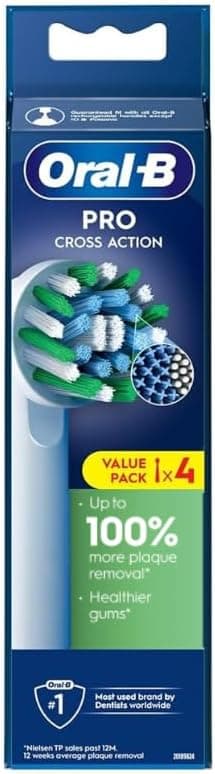
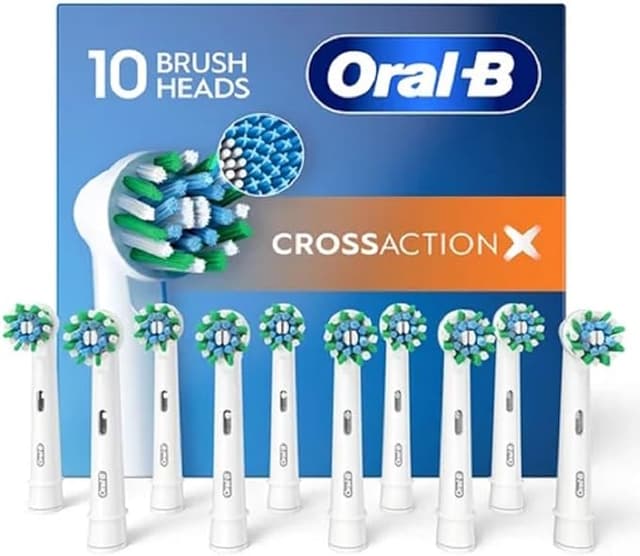
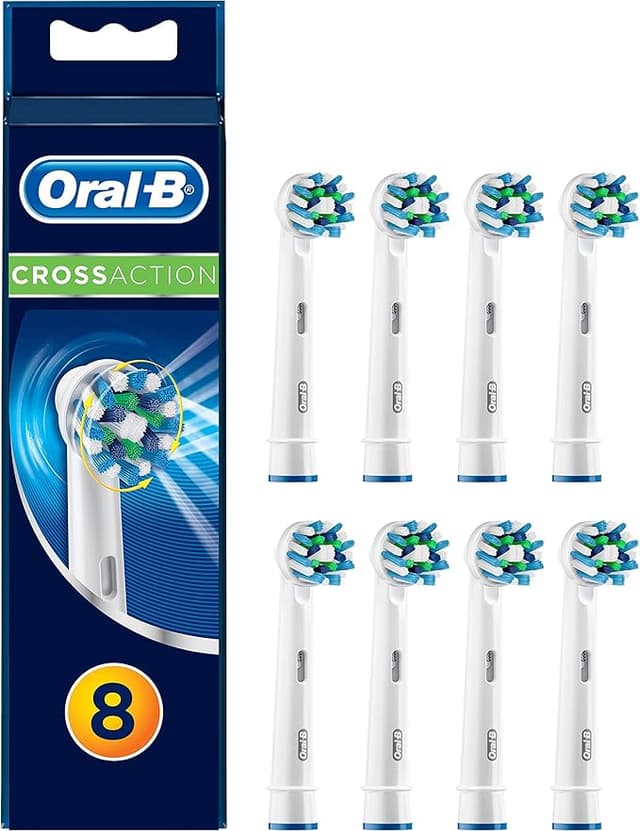
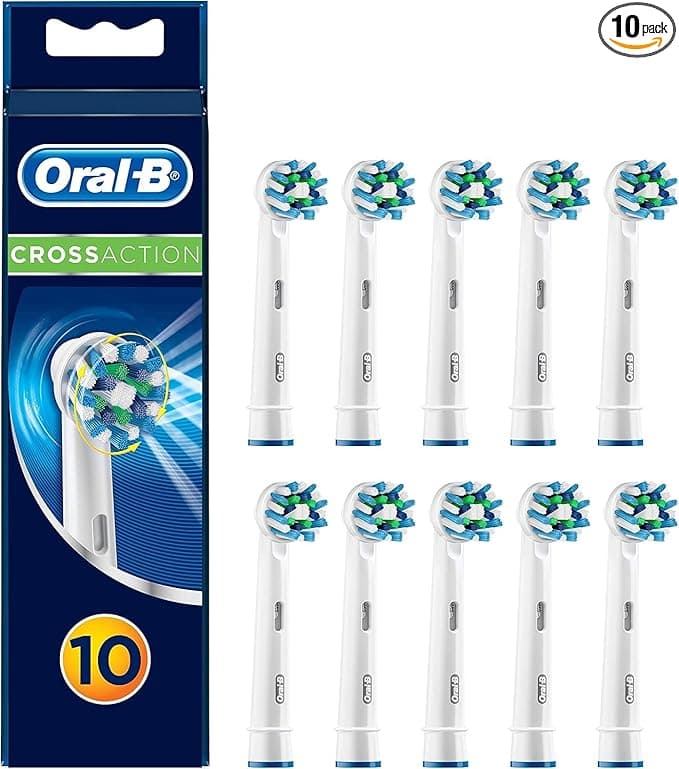
I switched to compatible Oral-B brush heads for the dumbest, most honest reason there is: I got tired of paying brand prices for a piece of plastic and nylon I throw away every twelve weeks. Genuine Oral-B replacement heads run me about $10 apiece at the drugstore, or roughly $40 for a four-pack online if I catch it right. A compatible eight-pack — same round oscillating head, same click-on collar — cost me $18. Do that math across a household. Two adults, two kids, a head swapped every three months on each, and the OEM route quietly bleeds something like $160 a year out of your account for brush heads alone. The compatible route ran me closer to $55. That gap is a tank of gas and a dinner out, year after year, for the privilege of a logo printed on the stem.
Do they actually fit? Mostly, and here's the asterisk
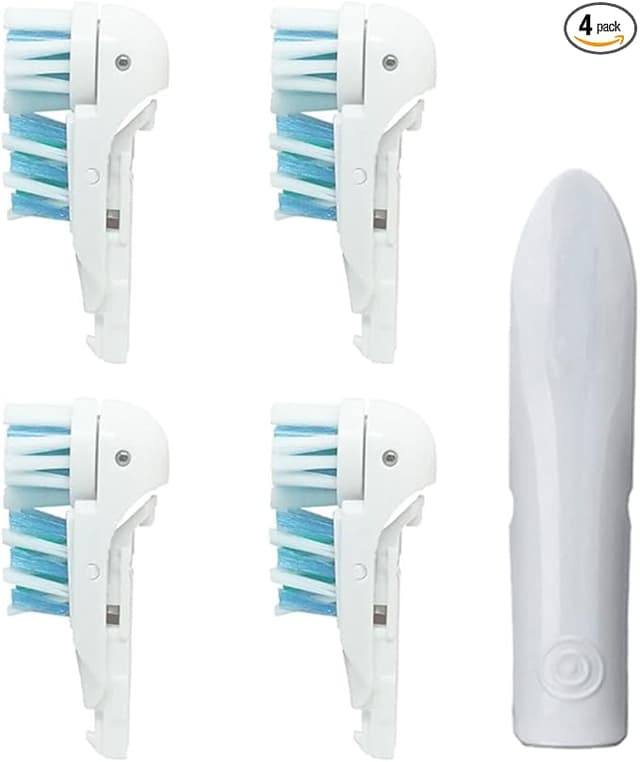
Fit is the whole ballgame with these, so I'm not going to hand-wave it. The collar that grips the metal drive shaft on the handle is where compatible heads live or die. On my Oral-B handle, the heads I bought slide down over the shaft and seat with that softer push I mentioned. There's a hair more side-to-side play than a genuine head — if I grab the bristle end and rock it, I feel a faint wobble that the real one doesn't have. Standing still, brushing normally, you cannot feel it. The oscillation is driven from the base, not the tip, so that tiny bit of collar slop doesn't change how the head spins against your teeth.
Installing is exactly as brainless as it should be. Power the handle off. Pull the old head straight up and off the shaft — it just lifts, no twisting. Wipe the metal shaft and the little gap around it with a dry cloth, because toothpaste gunk and hard-water crust build up in there and that gunk is what makes heads feel loose over time, not the head itself. Push the new one down until it stops. Turn it on for a half-second to confirm it spins true and doesn't rattle. Done. Thirty seconds. If yours rattles loudly or visibly hops on the shaft, that head's collar is out of spec and you should pull it and try the next one in the pack — which is the quiet advantage of buying eight instead of four.
The honest performance read
Day to day, brushing with these feels the same as genuine. Same round head footprint, same oscillating-then-pulsing motion picked up from the handle, same clean-tongue, dentist-visit feeling on my teeth afterward. My hygienist didn't say a word at my last cleaning, and that woman notices everything. So on the thing that matters — getting plaque off — I genuinely can't tell the difference between the $2.25-a-head compatible and the $10 genuine.
Where they fall a touch behind is the bristles over time. The nylon on these is a little stiffer out of the gate, and it softens and frays maybe a couple weeks sooner than a genuine head does. Oral-B's heads have those blue indicator bristles that fade to white when it's time to swap — some compatible packs copy that fading-dye trick well, and some use a dye that washes out faster than the bristles actually wear, so the color lies to you. On my pack, the indicator faded at about week ten when the bristles were honestly fine until week twelve. Not a dealbreaker. I just stopped trusting the color and went back to swapping on a calendar reminder, which is what you should do anyway.
The real downside, said plainly
Here's the part a marketer would bury: the first two or three days, there's a faint plastic-and-rubber smell when the head is wet. Run it under hot water before the first use and it mostly goes, but that initial morning I caught a whiff of new-shower-curtain off the thing and it was off-putting. It fades completely by day three. The packaging is also cheap — a thin blister card, no individual hygienic sleeves on each head like the genuine ones get, so the heads rattle around loose in the pack. I rinse a fresh one before I put it on for that reason. And the printing on the stem is sloppy; on two of my eight, the little brand mark was smeared. Cosmetic, sure. But it's the kind of corner-cutting that tells you exactly what you're buying: a part that does the job, made by someone who spent zero dollars on presentation.
One more thing worth saying without turning it into a scare. A worn-out brush head isn't a neutral thing you can just coast on. Frayed, splayed bristles stop reaching the gumline and start dragging bacteria around instead of lifting it off, and that's how you end up with gum irritation and the kind of buildup that turns a routine cleaning into a longer appointment. The replacement head is a few bucks. The deep cleaning, or worse, is not. So whatever heads you run — these or genuine — swap them on schedule. The cheap part existing is not permission to stretch it to five months.
Who should skip these, and who should grab them
If you've got sensitive gums, a specialty head you rely on — the gum-care or the precise floss-action style — or you just want the indicator dye to be trustworthy, buy genuine. The compatible market mostly clones the standard round daily head, and the boutique versions are hit or miss. Pay the Oral-B premium and don't think about it.
But for the everyday round head doing the everyday job? I've run compatible for four months across two handles in my house, my teeth feel exactly as clean, my hygienist had no notes, and I spent roughly a third of what the genuine pack costs. The looser click bugged me for a day and then I forgot about it. For an eighteen-dollar eight-pack against a forty-dollar four-pack, doing the identical work, I'd buy these again — and the pack in my cabinet right now says I already did.