Troubleshooting & Analysis
Standing in the toothbrush aisle, doing math I shouldn't have to do
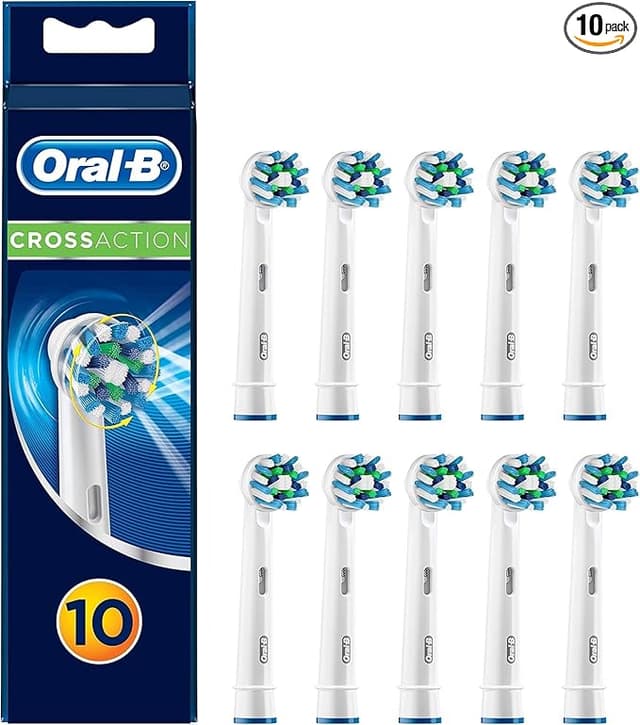
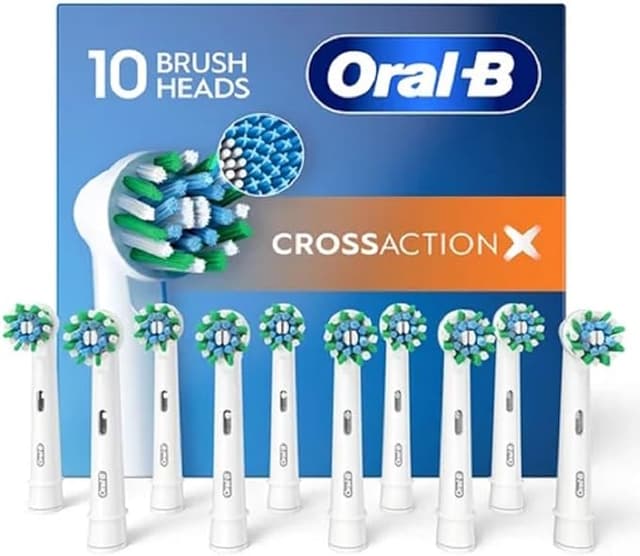
So there I was, holding a four-pack of genuine Oral-B Precision Clean heads in one hand — $34 and change — and a generic compatible set in the other for under fifteen bucks. Same shape. Same little blue indicator bristles. And I just stood there for a solid minute feeling like an idiot for hesitating over the difference between fifteen and thirty-four dollars. But here's the thing about brush heads: you go through them. Four a year, minimum, if you actually swap them every three months like you're supposed to. That price gap isn't a one-time thing. It compounds.
I'd been buying the real ones for years. Just clicked "reorder" without thinking. The compatible packs were always sitting right next to them and I always assumed — without any evidence — that the cheap ones would be scratchy, or fall apart, or somehow be worse for my teeth. That assumption was costing me roughly twenty dollars every few months. So I finally bought the compatible set to actually find out. This is what happened.
The price, laid out honestly
Genuine Precision Clean heads run me about $8.50 each when I buy the small pack — sometimes a hair less in a bigger multipack, but realistically I'm paying eight, nine dollars a head. The compatible ones I tried worked out to roughly $3 a head. Over a year — four heads, because that's the dentist-recommended swap interval — that's about $34 for OEM versus $12 for the compatible. Same job. You're getting basically a year's supply for the price of two original heads. I did the math three times because it felt too lopsided to be real.
Does it actually fit the handle? (yes — with one note)
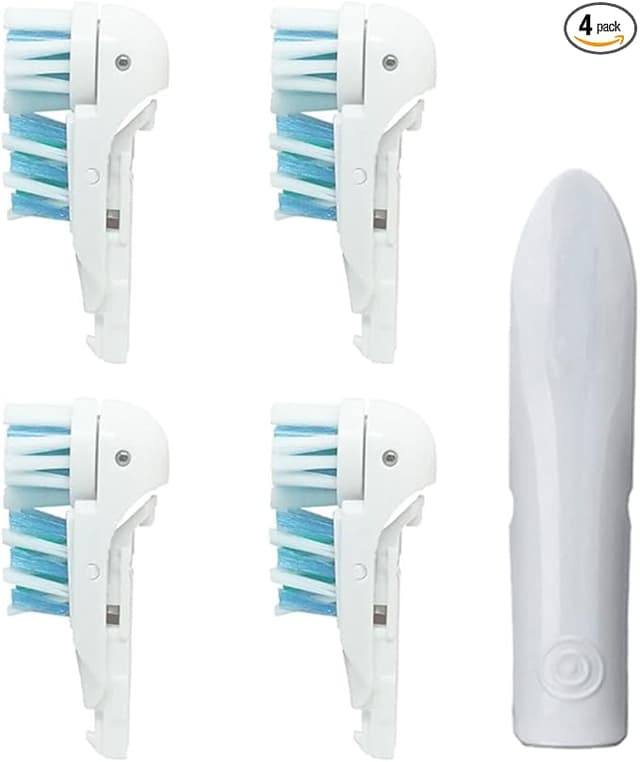
This was my real worry. The handle's the expensive part; I wasn't about to wreck the drive shaft to save twenty bucks. Install is dead simple either way — you pull the old head straight off the metal shaft, give the shaft a quick rinse under warm water (gunk builds up at the base, you'd be surprised), and push the new one on until it clicks. The OEM heads click with this clean, confident snap. The compatible ones click too — but the first one I seated felt a touch looser going on, like the internal collar was a fraction wider. I'll be honest, that gave me pause.
It didn't matter. Once it's on, it's on. No wobble, no rattle while running, and it hasn't worked itself loose once in the months I've been using it. The fit tolerance is just slightly less precise than the genuine article, and you feel it in that one second during install. After that, you'd never know.
How it actually cleans
I ran the compatible heads twice a day for about four months and paid attention the way you do when you're suspicious of something. The bristle quality is genuinely good — the set I bought used the same DuPont bristle stock the originals use, and you can feel it. That slightly stiff-but-not-scratchy texture, the blue fade-bristles that lighten up to tell you when it's time to swap. My teeth felt exactly as clean after. Same squeaky-front-teeth feeling, same coverage along the gumline.
Where's it a touch behind? The blue indicator dye faded a little faster than I remember the genuine ones doing — by maybe week ten it was already pale, where the OEM tends to hold its color closer to the full twelve weeks. Not a dealbreaker, since you should be swapping at three months regardless, but if you're someone who runs a head into the ground until the bristles are visibly splayed, you might find yourself swapping a week or two earlier. Honestly, swapping on time is the right move anyway.
The real downsides — because there are some
The packaging is cheap. Thin plastic blister, no satisfying box, and one of the heads in my pack had a single bristle tuft that sat slightly proud of the others — cosmetic, brushed down flat within two uses, but it's the kind of QC slip you don't get with the genuine pack. If you're buying these as a gift or you just like things to feel premium out of the wrapper, the OEM experience is nicer.
Second, and this is the one that actually matters: brush head quality is not a place to gamble on a no-name listing with twelve reviews. The danger with a worn or low-grade head isn't drama — it's quiet. Frayed, splayed bristles stop reaching plaque properly, and an old head genuinely harbors a startling amount of bacteria down in the base where it stays damp. A bad compatible head that breaks down fast is worse than a good OEM one you swap on schedule. So the savings only count if you buy a reputable compatible brand with real DuPont bristles — not the absolute cheapest thing you can find. I tried one ultra-budget set early on that went scratchy within weeks and I threw it out. The ones I'm describing here were the second, better attempt.
Third small thing: there was a faint plastic smell the first day out of the package. Rinsed off after one wash. Minor, but I said I'd tell you everything.
Who should just buy the genuine ones
If you have sensitive teeth or recent dental work and your dentist specifically told you to stick with the exact OEM head, listen to your dentist — twenty dollars is nothing against that. Same if you simply don't want to spend any energy vetting which compatible brand is the good one; the genuine reorder is foolproof and you'll never think about it.
My verdict
For everyone else, I switched and I'm not going back. A solid compatible Precision Clean head with real DuPont bristles cleans my teeth exactly as well, fits the handle securely, and costs me about $12 a year instead of $34. The looser install click and the faster-fading indicator are real, but they're small, and neither one touches the part that matters — my teeth feel just as clean and my dentist hasn't said a word. For roughly twenty dollars saved a year, doing the identical job, I'd buy them again. I already have, twice.