Troubleshooting & Analysis
I didn't believe a $20 box of brush heads could be fine either
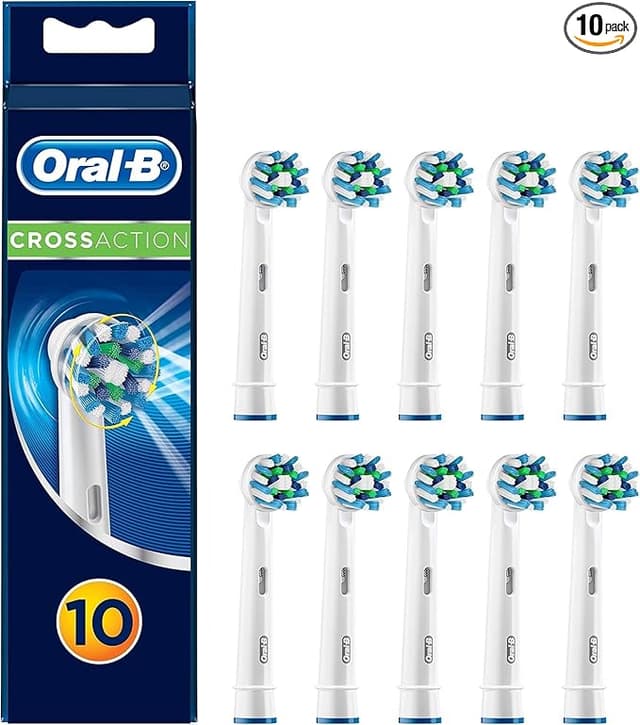
Here's the truth: I bought the compatible heads to prove a point. I was annoyed at Oral-B for charging what they charge, and some stubborn part of me wanted to run the cheap ones for a few weeks, watch them shed bristles or rattle on the handle, and then write a smug little "see, you get what you pay for" note. That was the plan. I've been using a Precision Clean handle for years — it's the workhorse head, the one that comes in every starter kit — and I know exactly how an original feels when it clicks on and exactly how my teeth feel the morning after a fresh swap.
So I had a baseline. And honestly, the compatible heads didn't give me the satisfying failure I was hoping to write about.
The math that made me angry enough to try
Let's do the part nobody at Oral-B wants you to sit with. A genuine Precision Clean refill runs you somewhere around $7 to $9 per head once you're past the multipack discounts, and the brand wants you replacing every three months. That's four heads a year, per person. In a two-adult house that's eight heads — call it $55 to $70 a year just to keep plaque off, every year, forever, for a hunk of nylon and plastic.
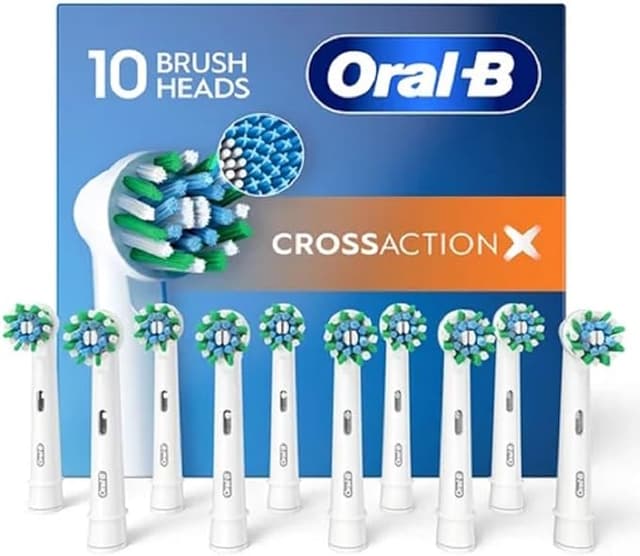
The compatible set I grabbed worked out to a year's supply for roughly the price of two original heads. Two. That's the line that did it for me — I could cover a full year for what the brand charges for half of one quarter. Same Precision Clean fitment, the same DuPont bristle stock the originals brag about, and the sticker shock just... evaporated. When the gap is that wide, "you get what you pay for" stops being wisdom and starts being a question you're obligated to actually test.
Fit and install: the click is the whole game
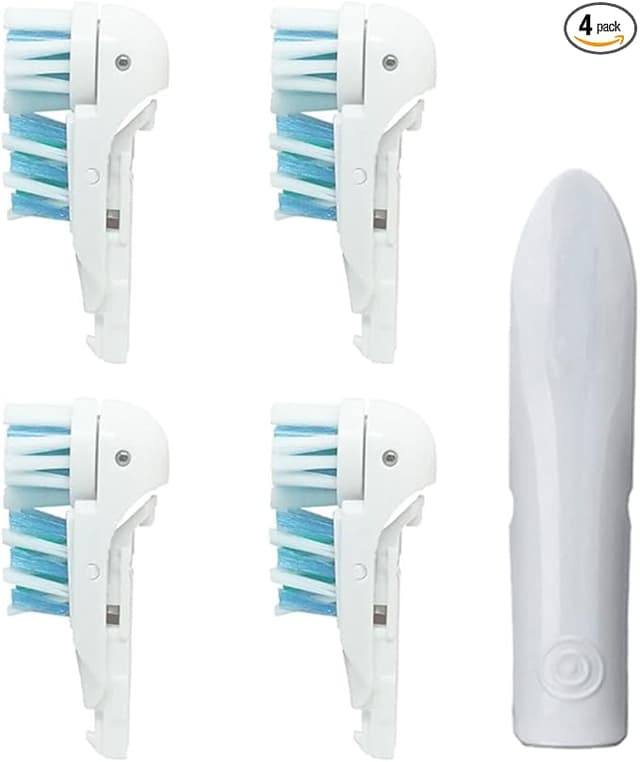
This is where a knockoff usually outs itself. The Oral-B mounting system is dead simple — you pull the old head straight off the metal shaft, rinse the shaft under warm water (do this, gunk builds up in the collar and nobody ever cleans it), and push the new one down until it clicks. That click is everything. A head that doesn't fully seat wobbles, loses oscillation power, and works itself loose mid-brush, which feels disgusting.
The compatible heads clicked. First try, every one out of the pack. There's a tiny, and I mean tiny, difference in how the collar grips — the original snaps on with this confident, slightly tighter bite, and the compatible one seats with maybe a hair less drama. Once it's on, though, I can't feel a difference. No wobble. No walking loose. I went looking for slop by deliberately running one for a long aggressive two-minute cycle and pressing harder than I should, and it stayed put and stayed quiet.
How they actually clean
The morning-after test is the only one I trust. After the first brush my teeth had that squeaky, just-left-the-dentist feel, and that held up over weeks. The bristles are genuinely DuPont — same indicator-fade blue dye in the center tuft that tells you when the head's worn, same trim pattern hitting the same spots. Plaque control, by feel and by the disclosing-tablet check I did out of paranoia, matched what I get from originals.
Where's it a touch behind? The polish, if I'm being picky. An original Precision Clean has bristles that feel a degree more uniform — a couple of weeks in, one or two outer tufts on the compatible heads splayed slightly faster than I'd expect from genuine. Not falling out, not shedding into my mouth, just fanning a little early at the edges. On a head you're tossing at three months anyway, I genuinely do not care. But if you're the type who runs a head until it's a sad flattened broom, the originals will hold their shape a week or two longer into that abuse.
The real downsides — said plainly
I promised myself I'd be straight about this, so here's the unglamorous list.
- The packaging is cheap. Thin plastic clamshell, no individual hygiene caps on some sets, a printed insert that reads like it went through a translator. It doesn't affect the head, but if you were hoping for that tidy boxed-refill feeling, lower your expectations.
- First-brush plastic taste. The first two or three uses carried a faint new-plastic note. Not chemical, not alarming — the same thing a brand-new original sometimes does — but it's there. Run the head under hot water before the first use and it mostly knocks it out. By day three it was gone completely.
- Pack-to-pack uniformity isn't perfect. Across a year's supply, one head had a slightly stiffer bristle feel than its siblings. Within normal range, but the originals are more identical head to head. You're trading a little consistency for a lot of money.
None of those is a dealbreaker for me. But I'd rather you hear them from someone who actually ran the things than get blindsided.
Why this isn't just about saving money
The thing people skip: a worn brush head is a real problem, not a cosmetic one. Once the bristles splay and flatten, they stop reaching into the gumline and between teeth — they skate over plaque instead of breaking it up. My dentist has said the same thing more times than I can count: frayed bristles don't clean, they just polish the surface and leave the bacteria sitting right where it causes trouble. And an old head you've been running for six months to "save money" is a little bacterial hotel between uses.
That's the quiet argument for the compatible heads. When swapping is cheap, you actually swap on schedule. At $7 a pop, people stretch a head to five or six months and tell themselves it's fine. At a price where a full year costs about what two originals do, you change every three months without flinching — which is the thing that actually protects your teeth.
Who should buy the original instead
I'll be fair to Oral-B. If you've got sensitive gums and a dentist who specifically tied you to genuine heads, or you run a head far past its life and need that extra bit of shape retention, or the slightly cheaper packaging genuinely bugs you — buy the original. No shame in it. The brand head is a hair more refined and a hair more consistent, and for some people that margin is worth $50 a year.
But me? I went in trying to catch these things failing. They clicked on right, cleaned my teeth like the originals do, and saved me enough that I now change heads exactly when I'm supposed to instead of guilt-stretching them. The plastic-smell break-in and the budget packaging are the price of admission, and it's a price I'll pay every time. I bought them to write a takedown. Instead I reordered. That's the most honest verdict I can give you.