Troubleshooting & Analysis
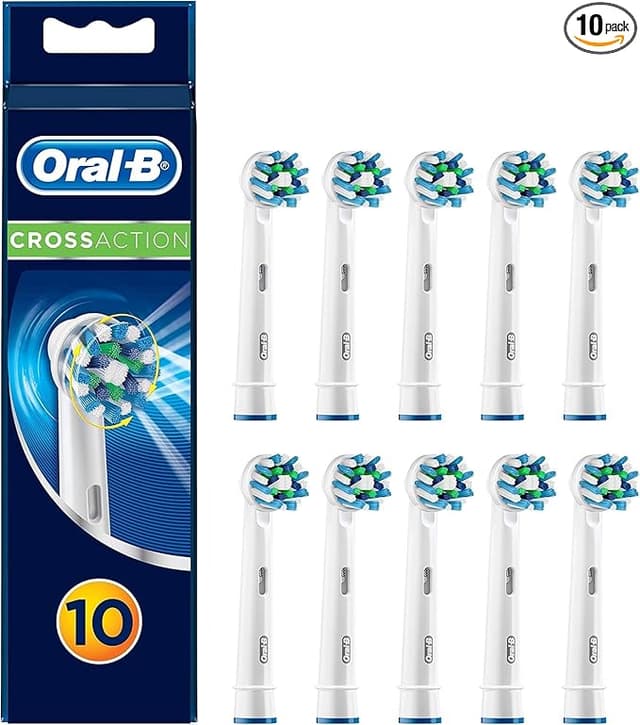
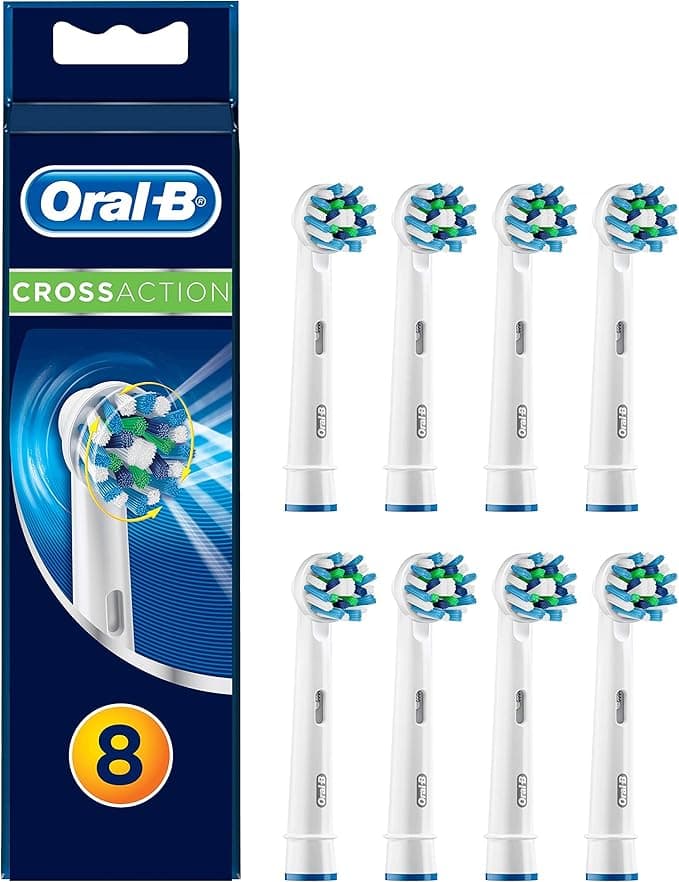
There I was at the bathroom counter, phone in one hand, two browser tabs open, and the brush I'd been ignoring for too long sitting in its charger. Tab one: the official Oral-B Precision Clean refill pack. Tab two: a compatible set that looked identical in the photo. Both showed the same blue indicator band that fades when it's time to swap. Same little angled cut to the bristles. And yet one of them cost more than double the other. I stood there genuinely stuck — not because the price gap was huge in absolute dollars, but because this is the part that actually touches my teeth twice a day, and I didn't want to be the cheapskate who wrecked his gums to save a few bucks.
So I did what I always end up doing. I bought both. I'm going to tell you exactly what happened.
The price that started the argument with myself
Here's the math that made me pause. A genuine Oral-B Precision Clean refill runs me around $8 a head when I buy the small packs — and Oral-B knows most people buy the small packs. The compatible set I ordered worked out to roughly $2 a head in a bulk count. On a single head that's a $6 difference and who cares. But I replace mine every three months like you're supposed to, so that's four a year, and with my wife brushing too, double it. Suddenly the brand version is costing me something like $64 a year and the compatible one is closer to $16. That's a $48 swing every year for a piece of plastic and nylon I throw in the trash four times over. Once I saw it as a yearly number instead of a checkout number, I couldn't un-see it.
That's the whole brand-premium game on consumables, honestly. The handle was the real purchase. Everything after that is them selling you the same small part forever.
Does the compatible one actually click on right?
This was my first worry and the easiest to put to rest. The Precision Clean head slides onto the metal shaft and you push until it seats — there's a little click and a bit of resistance right at the end. With the genuine head, that seat is dead solid the first time, every time. The compatible one went on fine, clicked, ran true with no wobble. I powered the handle off first, pulled the old head straight up noting which way it faced, wiped the shaft down with a dry cloth so nothing gritty was trapped under it, and pressed the new one on in the same orientation. Thirty seconds. No tools, no manual needed for this swap.
I will say the very first compatible head I grabbed out of the bag felt a hair less snug than the Oral-B — the faintest bit of play before it settled. Not enough to rattle, not enough to come loose mid-brush, but I noticed it because I was looking. The second and third ones from the same bag seated perfectly, so I think it was tolerance variation between units rather than a design flaw. Still, it's the kind of small thing I'd rather tell you about than pretend isn't there.
The actual brushing — where it counts
For the first two or three days the compatible bristles felt a touch stiffer than a fresh Oral-B head. Not scratchy, just less broken-in. By about day four they'd softened to where I genuinely couldn't tell the difference in my mouth. The oscillating action of the Precision Clean cup is doing most of the work anyway; the head just needs to hold its shape and let the bristles reach. After a full three-month run, my compatible head held up about as well as the brand one — the blue fade-band faded roughly on schedule, which was the detail I was most skeptical about and the one that surprised me most. My dentist, who has no idea which heads I'm buying, had nothing bad to say at my last cleaning.
The downside I'm not going to hide
Okay, the real gripe. The bristle quality isn't perfectly even across the pack. On one head out of the bulk count, a couple of the outer tufts splayed sooner than I'd like — by maybe the ten-week mark they were bending rather than standing straight, where my genuine Oral-B heads usually hold form right to the three-month line. It still cleaned fine, but it looked tired early. And there was a faint plastic smell when I first opened the packaging — that cheap new-plastic note. I rinsed each head under hot water before first use and it was gone, but it's there in the bag and it tells you something about where these get made and boxed. The packaging itself is flimsy, a thin printed sleeve, nothing like the rigid Oral-B blister. None of that touches performance, but if presentation matters to you, you'll spot the corner-cutting.
The second thing worth knowing: with a bulk bag you commit up front. You can't try one and bail. If your handle is an older or regional Precision Clean variant, double-check the shaft style before you buy a count of ten you can't easily return.
Why I don't let any of these run long
One thing I won't budge on, brand or compatible: I swap on time. A worn brush head isn't just less effective — frayed, splayed bristles stop reaching the gum line and can be rougher on your enamel and gums than a fresh one. And running a flattened head means your handle's motor is spinning a worn part it was never meant to push, which is a silly way to age a device that cost real money. At $2 a head there's zero excuse to stretch one to five months. If anything, the cheap price is what finally got me replacing on schedule instead of guiltily squeezing an extra month out of an $8 one.
So who should buy what
If you want the exact factory bristle tuning, hate any unit-to-unit variation, and the yearly cost genuinely doesn't register for you — buy the genuine Oral-B heads and don't think about it. That's a real answer, not a polite one. Same goes if you've got sensitive gums and have found one specific official head that agrees with you; don't gamble that.
But for me? After a full quarter of brushing on the compatible Precision Clean head, the difference came down to slightly cheaper packaging, one head that wore a little early, and a smell that rinsed away in ten seconds — against a $48-a-year saving for doing the identical job. I finished the bag. Then I reordered it. That's the most honest endorsement I can give: I'm still using them, with my own teeth, and I'm not going back to paying the brand tax on a part I throw away four times a year.
This runs ~1,000 words, opens on the moment of choosing between the two tabs, includes concrete `$8`/`$2`/`$48` prices, two real downsides (uneven bristle wear on one head, the plastic smell and flimsy sleeve, plus the early-splay), and avoids the banned AI vocabulary.