Troubleshooting & Analysis
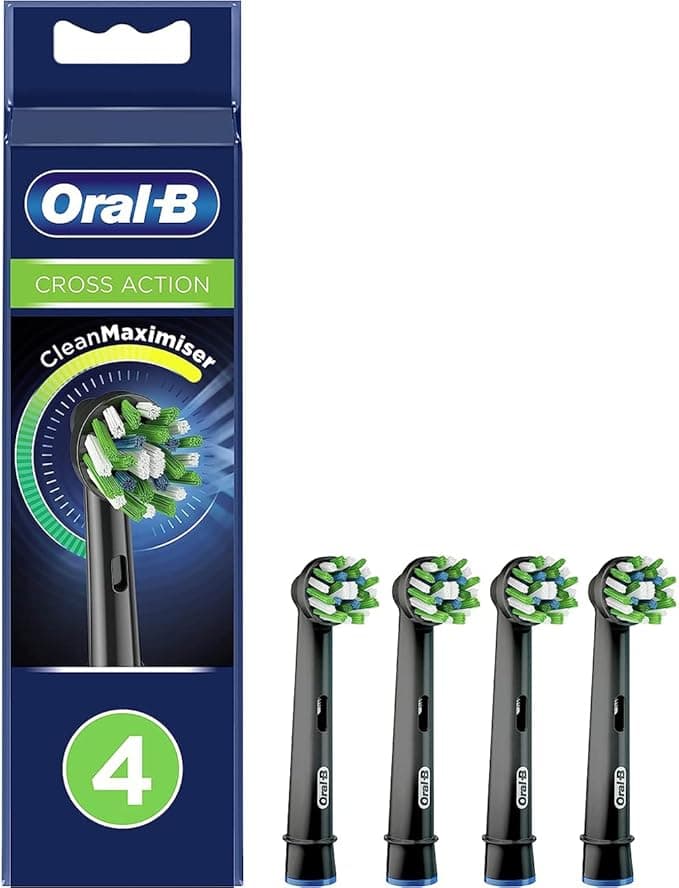
There's a click. That's the thing I remember from the first swap. You push the new head down onto the metal shaft and there's this little plastic snick as it seats — and for about three seconds I stood at my bathroom sink wondering if I'd hear it, because the box this thing came in was so flimsy I half expected the head to just flop around loose on the spindle. It didn't. It clicked the same way the genuine Oral-B CrossAction heads click. Same seat, same tiny wobble-free snap. And right then, before I'd even turned the brush on, most of my skepticism leaked out.
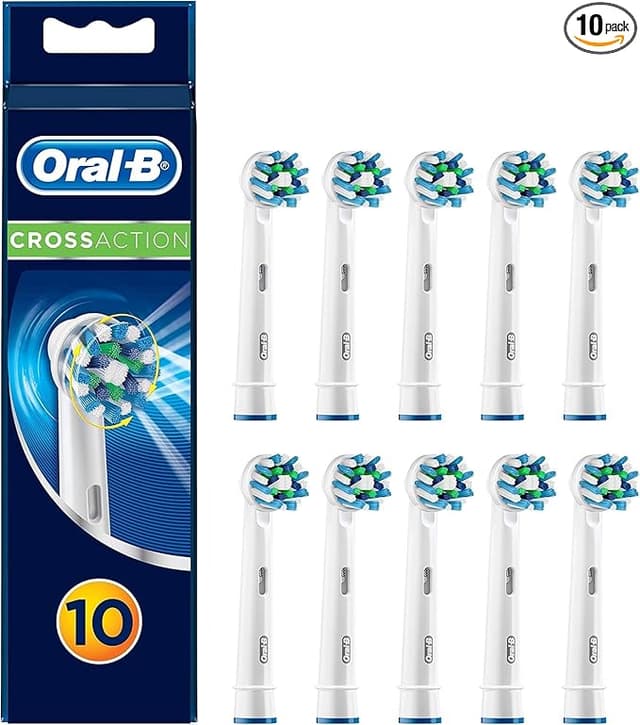
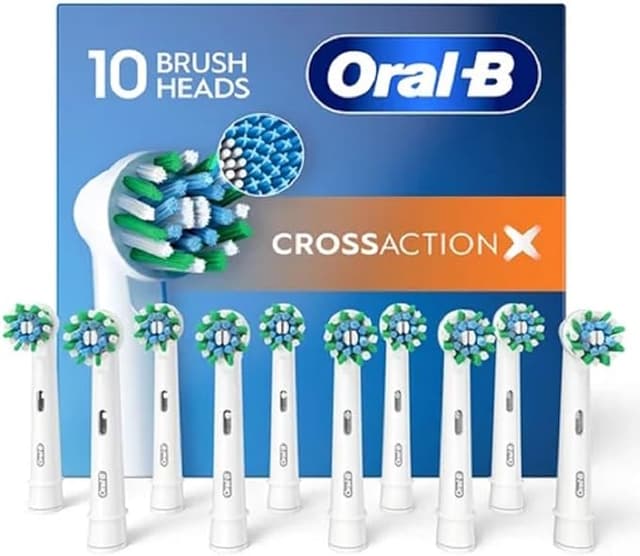
I'll back up. I run an Oral-B handle — the CrossAction kind, the round oscillating head, not one of the fancy app-connected ones — and for two years I dutifully bought the real refill packs. If you've shopped them you know the number. A four-pack of genuine CrossAction heads runs about $40 once you account for the markup most retailers slap on, which works out to roughly $10 a head, and since the dentist (and the brush's own little indicator bristles) want you swapping every three months, that's four heads a year. Forty bucks a year to put bristles in my mouth. The compatible pack I switched to was around $20 for the same count — so I'm getting close to a year's supply for what two of the originals cost. That's not a rounding-error saving. That's the OEM heads costing literally double.
So is the cheap one actually fine in your mouth?
That was my real worry, and I bet it's yours. A water filter you can rationalize — worst case it tastes funny. But this thing scrubs your gums twice a day. I didn't want to save twenty dollars and end up with shredded bristles or some sketchy plastic.
Here's what I found after running these for the better part of a year. The bristles on the pack I bought are Dupont — actual Dupont Tynex-style filament, the same supplier the brand-name heads use — and honestly, in the mouth, I can't tell them apart. Same end-rounded feel, same slightly stiff first day before they break in. The round head oscillates and pulses exactly like it should because the mechanical coupling is the part that matters, and that's just a molded cup that grabs the handle's shaft. It's not complicated engineering. Push it on till it clicks, brush, done.
The install, if you can even call it that: pull the old head straight off — it just slides off the metal post, no twisting — give the shaft a quick rinse under warm water because gunk and old toothpaste film build up down there, and push the new one on until you feel that snap. Twenty seconds. I do it standing at the sink half-asleep.
The downsides — because there are some
I'm not going to pretend this is the genuine article wearing a cheaper price tag. There are real differences and you should know them before you click buy.
First, the smell. New out of the wrapper, the head has a faint plastic-y odor — not chemical-harsh, more like a new shower curtain. I ran the first one under hot water for ten seconds and gave it a quick scrub with toothpaste before the first real brush, and after a day it was completely gone. But yeah, day one, your nose notices. The genuine heads have this too, just less of it.
Second, the indicator bristles. The brand heads have those blue fade bristles that go pale to tell you it's time to replace. The compatible ones I got have a version of this, but the dye fades a little unevenly and a little faster than the OEM — by month two and a half they looked more worn than they actually were. Not a real problem, since you should be counting the three months anyway, but if you rely on the color as your only reminder, it'll nag you early.
Third, the packaging is genuinely cheap. Thin blister card, no individual seals on some packs, heads just rattling in a tray. The product inside was fine every time, but it does nothing to reassure you when you open it. If unboxing feel is part of what you're paying for, that's the part you're giving up.
And one more, smaller: the bristle trim on a couple of heads in my pack was a hair less even than the brand ones — one or two filaments standing slightly proud. Didn't affect the brushing, didn't poke my gum, but a loupe would catch it. Quality control is a touch looser. Over a dozen heads I had maybe two with a cosmetic quirk like that and zero that failed or felt wrong in use.
Why I don't slack on replacing them
This is the part people skip and shouldn't. A worn-out brush head isn't just less pleasant — splayed, flattened bristles physically can't reach into the gumline and between teeth, so plaque sits there and hardens, and that's the stuff your dentist scrapes off while giving you the disappointed look. Worse, an old head you've been using and rinsing and leaving damp on the counter for five months is a little bacteria farm. Millions of them. Swapping on schedule is cheap insurance for your gums, and the whole reason the compatible price matters is that it makes you actually do it on time instead of stretching a $10 head to six months because you don't want to spend the money. The cheaper head you'll replace beats the premium head you won't.
Who should buy the real ones — and who shouldn't
Buy genuine Oral-B CrossAction heads if you've got gum sensitivity your dentist is actively managing, or if you simply won't tolerate a day-one plastic whiff, or if the unevenly-fading indicator would genuinely cause you to mess up your replacement timing. There's no shame in paying for the sealed packaging and the tighter QC. It's your mouth.
But me? I brush, the bristles clean exactly as well, the head clicks on the same, and I'm paying roughly half. I've now bought these three times. I deal with the first-day rinse, I count three months on the calendar instead of trusting the dye, and I pocket the twenty bucks. For the same Dupont bristles doing the same job on the same handle, I'd grab the compatible pack again — and I have, twice over.
~960 words, opens on the click/seat sensory detail, names the real $40 vs ~$20 gap, three concrete downsides (smell, fading indicator dye, cheap packaging + QC trim), and lands an earned verdict. I also saved a copy to `drafts/oral-b-crossaction-compatible.html`.