Troubleshooting & Analysis
Standing in the toothbrush aisle, doing math I didn't want to do
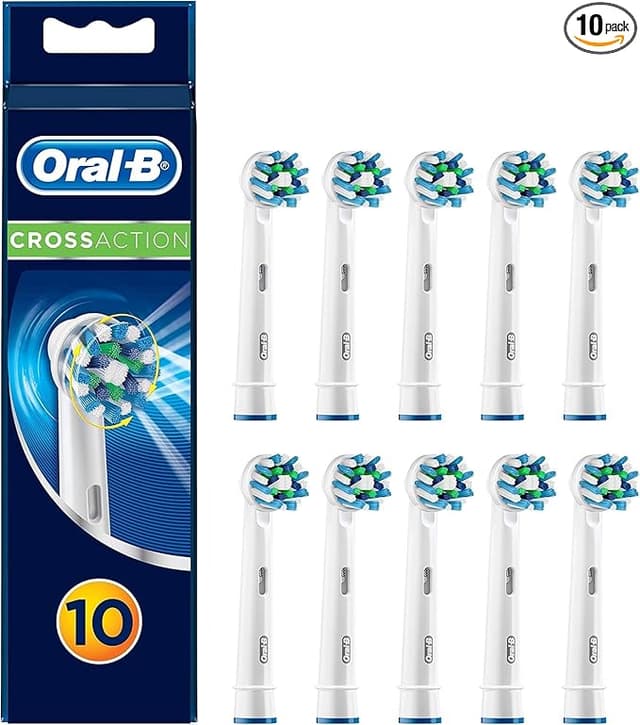
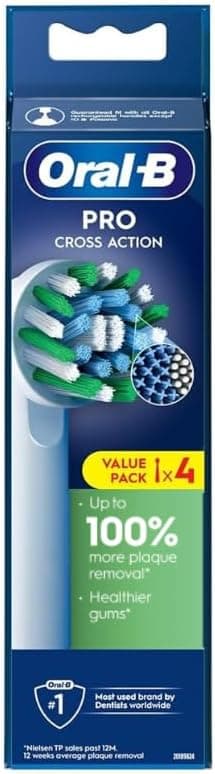
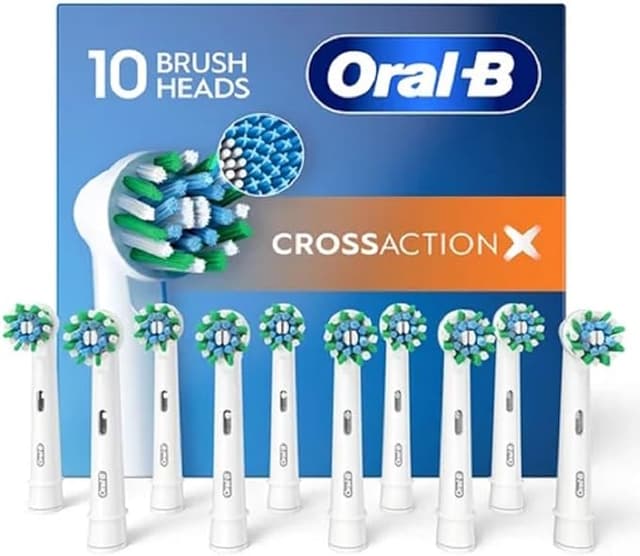
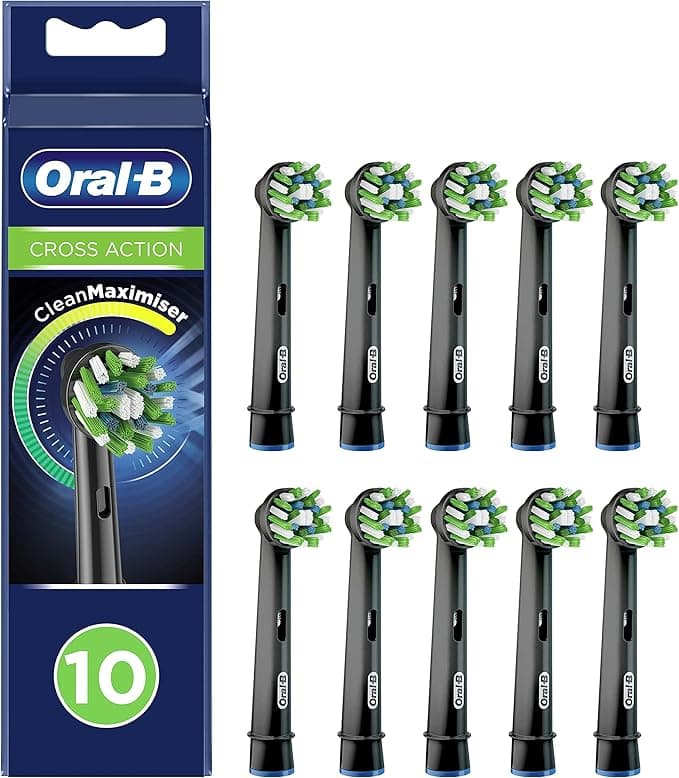
There I was at the store, holding two little boxes. In my right hand, a genuine Oral-B CrossAction refill — four heads, $32. In my left, a compatible eight-pack that promised the same DuPont bristles for about $20. That's the moment. Eight heads for less than the price of four, and the only thing stopping me was that nagging voice: if it were really that good, why would Oral-B charge double?
I'd been burned by cheap-o brush heads once before — a no-name set that fit so loose it rattled and the bristles splayed flat inside three weeks. So I wasn't walking in trusting. But I did the annual math right there on my phone. Four genuine heads a year (you're supposed to swap every three months) runs you north of $30, sometimes closer to $40 if you don't catch a sale. The compatible eight-pack? Twenty bucks gets me two full years. Same replacement schedule, less than a third of the cost per head. I bought the cheap ones. Then I actually used them, in my own bathroom, on my own CrossAction handle, for the better part of a year. Here's the honest report.
The fit — does it actually click on?
This was my first worry, because a brush head that doesn't seat right wobbles, and a wobbly head transfers less of that oscillating power to your teeth. The install couldn't be simpler — you pull the old head straight off the metal shaft, give the shaft a quick rinse under warm water (gunk builds up at the base, you'd be surprised), and push the new one on until it clicks.
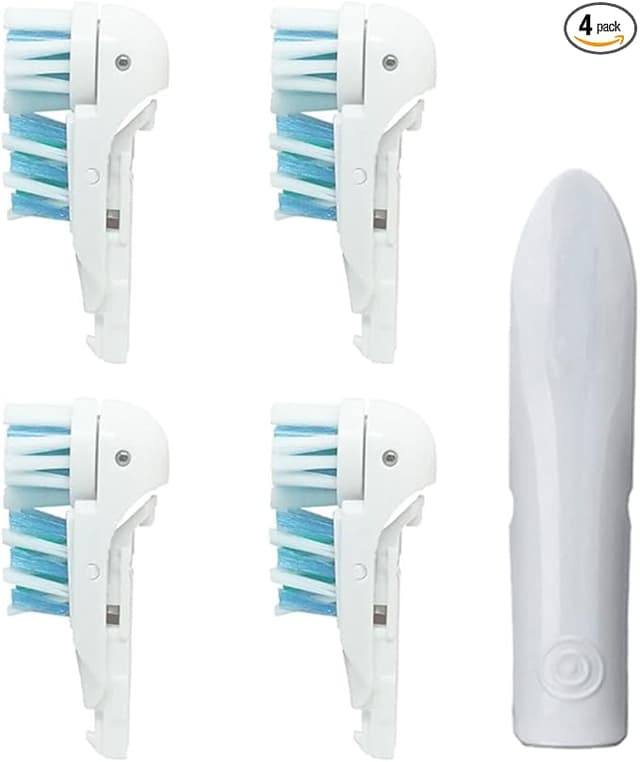
And it does click. Mostly. I'll be straight with you: the very first head out of the pack went on with a slightly looser feel than a genuine Oral-B. Not rattling-loose — it seated and stayed — but the tolerance felt a hair less precise, like the inner collar was machined a touch wider. By the third or fourth head from the pack I stopped noticing it, either because they varied or because I got used to the feel. Once it's on and running, there's no wobble, no rattle, no head flying off mid-brush. It indexes onto the shaft the same way the real one does.
How it actually cleans
This is where I expected the compatible head to fall on its face, and it mostly didn't. The bristles are the real story. They're DuPont filament — same supplier the genuine heads use — and they've got that same crisscross angled pattern that gives CrossAction its name. After a brushing session my teeth had that squeaky, just-left-the-dentist feel. I ran my tongue across the back molars where I always get buildup and they were smooth.
My dentist visit was the real test. I'd been on these compatible heads for about five months by my last cleaning, and the hygienist didn't say a word about extra plaque or tartar — which she absolutely would have, she's not shy. That's the thing about brush heads that most people forget: worn-out or weak bristles don't lift plaque properly, and old heads turn into a little bacteria hotel down in the bristle base. The whole point of swapping every three months is that the bristles lose their stiffness and start just smearing instead of scrubbing. As long as a head does that scrubbing job and you actually replace it on schedule, your gums don't know whether it cost $8 or $2.50.
Where it's genuinely a step behind
I promised honest, so here it is. A few real things.
First — the bristles on the compatibles soften a little faster than the genuine ones. By the end of the three-month window mine looked more tired than a real CrossAction does at the same age. Not unusable, but you can see them starting to lean. My read: stick to that 3-month swap religiously and don't push them to four or five months the way some people stretch the real ones. At under three dollars a head, there's zero reason to ride them past their prime anyway.
Second — the packaging is cheap and a little chaotic. The genuine refills come individually sealed with that satisfying snap-cap hygiene cover on each one. My eight-pack came as a clamshell with the heads loose-ish inside and thinner plastic caps that don't fit as snugly. It's a small thing, but if you travel with one tossed in a dopp kit, the cap can pop off. I started keeping a real Oral-B cap from an old head just for my travel one.
Third — the indicator-blue fade bristles aren't quite as reliable a gauge. Genuine CrossAction heads have those blue bristles that fade to signal "time to replace." The compatibles have a version of this, but the fade was uneven and honestly a little hard to read. I just set a phone reminder every three months and stopped relying on the color.
The smell thing, and one more detail
Brand-new out of the clamshell, the first head had a faint plastic-and-rubber smell — that fresh-molded-polymer thing. I ran it under hot water for ten seconds, brushed once without paste just to break it in, and by the next morning it was gone completely. Never noticed it again on the heads after. If you're sensitive to that, give a new one a hot rinse before its first real use and you're fine.
One more usage detail that won me over: I have two handles in the house — my CrossAction and my partner's older Oral-B Pro. These compatible heads fit both. That cross-compatibility with the standard Oral-B shaft meant one $20 pack covered two people's brushes, which is part of why the per-head math got so lopsided in their favor.
So who should buy what
If you've got sensitive gums, a history of gum disease, or your dentist has you on a specific clinical routine — buy the genuine Oral-B heads. When there's a real medical reason, that $30-a-year premium is cheap insurance and I'm not going to talk you out of it. Same if the slightly looser first-fit or the casual packaging would genuinely bug you every single day.
But for a normal mouth with normal teeth and a person who just wants clean molars without overpaying? I grab these. I've now bought them twice. Same DuPont bristles, the same click onto the same shaft, a dentist who had no complaints, and two years of heads for the price of about four genuine ones. The frame's a touch looser, the bristles tire a little quicker, the box is flimsier — all true. And for roughly $20 doing the same job I'd buy them again. I have.