Troubleshooting & Analysis
Standing in the toothbrush aisle, doing math I didn't want to do
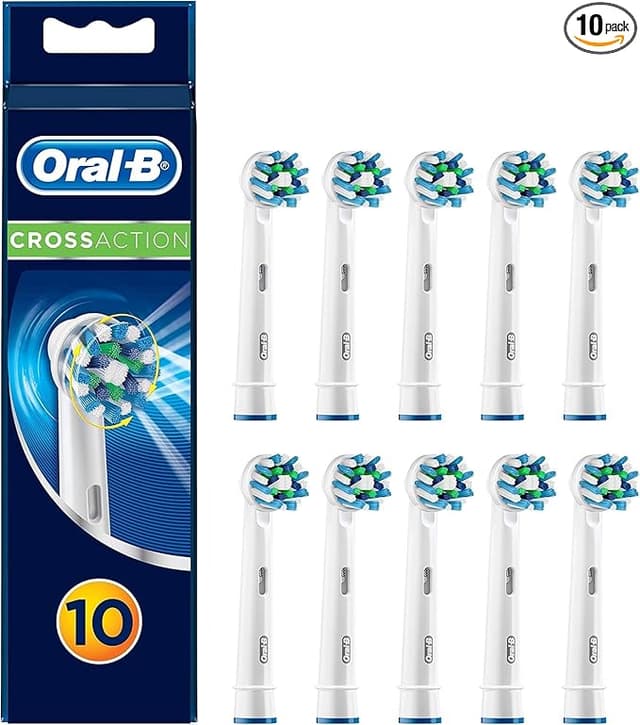
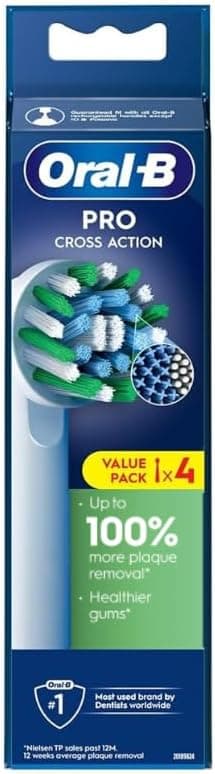
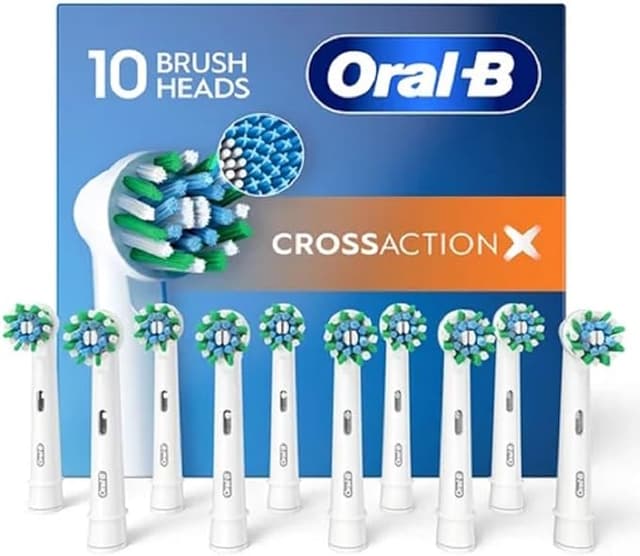
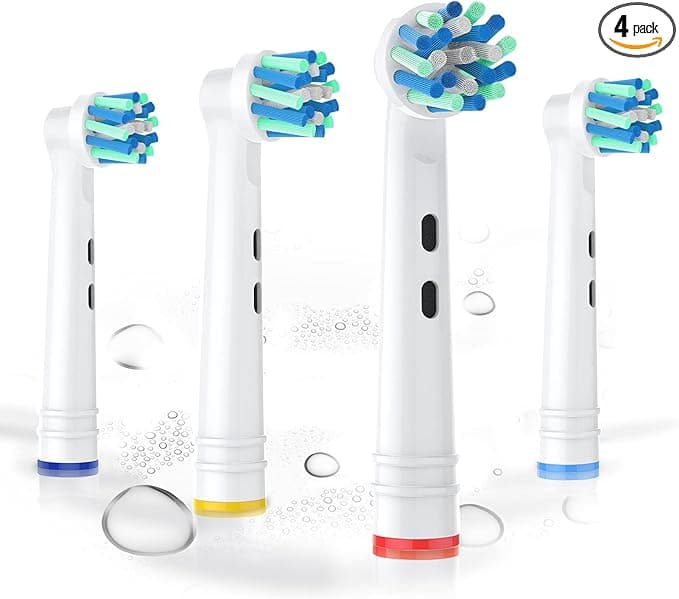
There I was at the counter display, one of those little hooks with the genuine Oral-B CrossAction refills hanging next to a no-name three-pack, and I'm doing the kind of math you do when you're slightly annoyed. A single pack of four official heads was running me about $44. The compatible set — same blue-and-white fan of bristles, same little indicator strip that fades — was sitting there at $19 for the same count. I stood there longer than a grown man should stand in front of toothbrush heads. Because here's the thing nobody tells you: the brush head is the cheap part of the system you already paid a hundred bucks for, and somehow it's the part that bleeds you dry over the years.
So I bought the cheap ones. Not because I was sure — I wasn't — but because I wanted to actually know, instead of just assuming the expensive box meant clean teeth and the cheap one meant a dentist lecture. I've been running them on my CrossAction handle for about five months now. Here's the honest version.
The price gap is not small, and it compounds
Let's get the money out of the way because it's the whole reason you're here. Oral-B tells you to swap the head every three months. That's four heads a year, minimum, if you actually follow the rule (most people stretch it, which is its own problem — more on that). At roughly $11 a head for the genuine ones, you're looking at $44-ish a year, every year, basically forever, for a chunk of nylon and plastic.
The compatible heads I've been using work out to under $5 each. Call it $19 for the year against $44. That's a $25 gap annually — and over the five or six years one of these handles actually lasts, you're talking real money, like $150 you didn't have to spend. The pitch that you can get a year's supply for the price of two originals? In my cart, that math held up. Two genuine heads cost me more than four compatible ones did.
Fit and install — does it actually click on?
This was my first worry, because a brush head that wobbles a hair off the metal shaft is going to feel cheap every single morning and remind you that you cheaped out. The install is dead simple either way: you pull the old head straight off the shaft — it just slides, no twist — give the metal post a quick rinse under warm water to clear out the gunk that builds up at the base (do this, seriously, it gets grimy down there), and push the new one on until it clicks.
And it does click. That's the part I was nervous about. It seats with the same little snap the genuine one does, sits flush against the collar, and when the motor spins up there's no extra rattle, no off-center wobble. On two of the heads out of the first six-pack the fit was a touch tighter going on — I had to push a bit harder past a small catch — but once seated they were solid. No play, no buzzing slop. If you've ever used a genuine CrossAction head, the seated feel is honestly indistinguishable.
How they clean — and where they fall a step behind
The bristles are the angled CrissCross pattern, same DuPont nylon the originals use, so the actual brushing action feels right. My teeth feel clean — that squeaky, just-left-the-dentist feel after a two-minute cycle. Plaque-wise, I haven't noticed any difference at my checkups, and my hygienist didn't flag anything new, which is the test that actually matters.
Where they're a touch behind: the bristle indicator. Genuine Oral-B heads have that blue band that fades to signal it's time to replace — it's calibrated, and it fades pretty predictably right around the three-month mark. The compatible ones have a fading band too, but it's less precise. Mine faded a little faster than the wear actually warranted, so I stopped trusting the color and just started swapping on a calendar. Minor. But it's a real difference, and I said I'd tell you the real ones.
The downsides, said plainly
First few days, there's a faint plastic smell when you wet the head — that fresh-out-of-the-bag manufacturing smell. It's gone by day three, rinses out completely, never made its way into my mouth in any taste-able way. But it's there, and if you're sensitive to that stuff you'll notice it the first morning.
The packaging is cheap. The genuine heads come in those individual sealed caps; mine came loose in a single plastic clamshell, just nestled together. I'd have liked individual hygiene caps, especially for the spares sitting in the bathroom drawer collecting whatever's floating around a bathroom. So I rinse a fresh one before its first use. Small ritual, takes ten seconds.
And one more honest note on durability: by the end of month three, the bristles on mine had splayed out a little more than I remember the genuine ones doing at the same age. Not falling apart — just a bit more flare at the tips. Which is exactly why you replace them on schedule anyway.
Why the replace-on-time thing actually matters
This is the part people skip, and it's the part that should scare you more than the brand on the box. A worn, splayed brush head — genuine or compatible — stops doing its job. The frayed bristles glide over plaque instead of breaking it up, so you think you're cleaning and you're really just polishing the problem. And an old head that's been damp in a bathroom for four months is a little hotel for bacteria. Both of those are true no matter whose head you buy. So the smart move isn't "buy the expensive one and stretch it to six months" — it's "buy the affordable one and actually swap it every three." The cheaper head makes the right habit easier to afford.
The verdict — who should buy what
If you've got sensitive gums, a specific clinical situation, or you simply will sleep better knowing every component is factory Oral-B, buy the genuine heads. No shame in it, and the indicator strip on those is genuinely better calibrated. That's a real reason.
But for me? Same DuPont bristles, same click onto the shaft, same clean feel, a clear conscience at my last cleaning — for $25 less a year and a faint plastic smell that's gone by Wednesday. Look, I went in skeptical, fully expecting to write a "just pay for the real ones" piece. I didn't. I'd buy these again — and I already have, the second six-pack is in the drawer. Just swap them on time, rinse the new one first, and you're getting the same clean for the price of half.