Troubleshooting & Analysis
That was the moment I started buying compatible heads. And I've now run them on my Oral-B handle for going on two years, so this isn't a guess.
The number that actually made me switch
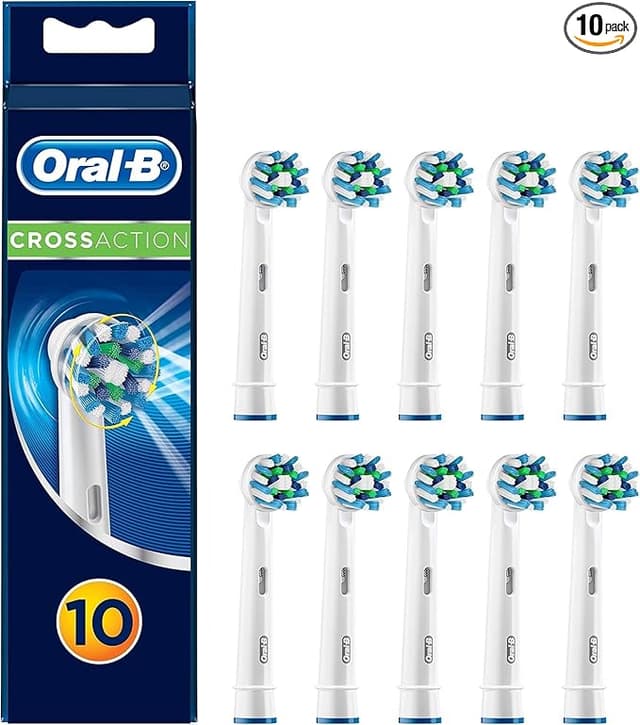
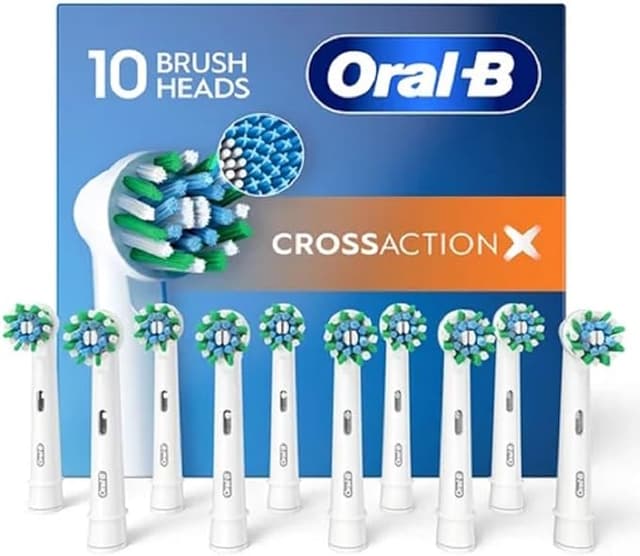
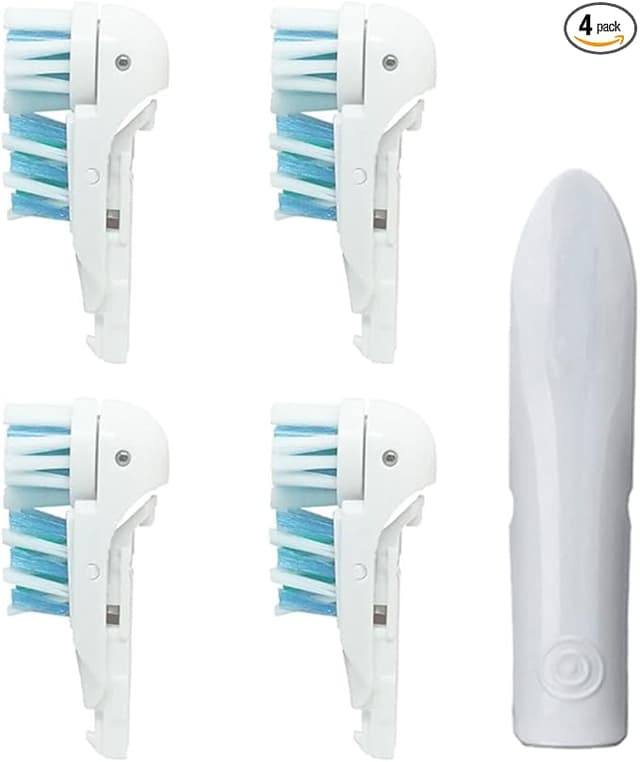
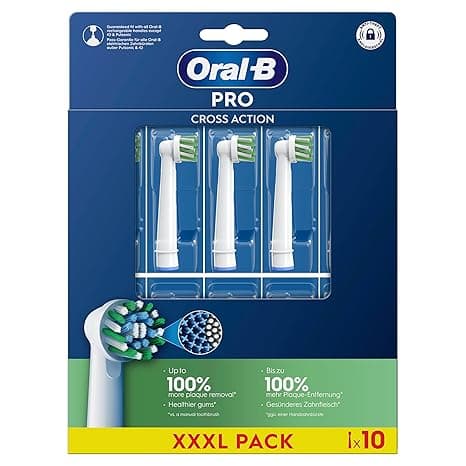
Here's the gap, plainly. A genuine Oral-B replacement head, bought in a multipack, lands around $9 to $11 each depending on the model and whether they're on sale. The compatible heads I buy come out to roughly $2 to $3 a head when you get the bigger pack. The site's framing isn't marketing fluff, it actually checks out in my own receipts: a full year's supply of the third-party heads costs me about what two genuine ones do.
So the real choice isn't $11 versus $3. Over a year of replacing every three months, it's something like $44 versus $12. That's a $32 swing on something you are going to grind down and discard four times before next summer. When I saw it stacked up like that, the OEM premium stopped feeling like quality assurance and started feeling like a tax on not paying attention.
Do they actually fit?
This was my first worry, because the whole Oral-B system lives or dies on that little metal shaft and the click. If the head wobbles or doesn't seat, you've wasted your money and possibly stressed the motor.
The swap is dead simple and it's the same motion either way. You pull the old head straight off the shaft — it just slides — give the metal post a quick rinse under warm water to clear any gunk, and push the new head down until you feel it click home. With the genuine heads that click is crisp and immediate. With the compatibles, honestly, the click is a touch softer. The first time I seated one I pushed, felt a little give, and pushed again to be sure. Once it's on, though, it's on. No wobble, no rattle when the motor's running, no flying off mid-brush. I've never had one work loose.
The tolerance is the one place you can feel the price difference. The bore that grabs the shaft is a hair less precise than Oral-B's, so there's the faintest play when you first push it down before it locks. After a couple of uses I stopped noticing it entirely.
How they actually clean
The thing I cared about most: my teeth. The good compatibles use DuPont bristles, the same nylon a lot of people don't realize is the actual standard, and the cup shape on the round heads grabs each tooth the way Oral-B's do. My mouth feels the same clean it always did. My last two dental checkups were uneventful — no new plaque complaints, no "are you flossing" guilt trip beyond the usual.
Where Oral-B is genuinely ahead is the little wear indicator. Their bristles fade from blue to a paler color as a nudge to replace the head. A lot of compatible heads either skip that or the dye fades unevenly. It's a small loss, but at three bucks a head I just set a phone reminder for the first of every quarter instead of waiting for a color to tell me. Cheaper than the feature anyway.
The downsides — and there are real ones
I'm not going to pretend this is a free lunch. A few honest gripes after two years:
- The first-brush plastic smell. Fresh out of the wrapper, a couple of the heads had a faint new-plastic odor. I run every new head under hot water for ten seconds and dry-brush it once before it goes in my mouth, and it's gone. But it's there on day one and I'd be lying if I said otherwise.
- The packaging is cheap. Genuine heads come individually capped in that rigid Oral-B blister. The compatibles I get show up in a plain box, sometimes with the heads bagged together. They're sealed and clean, but it's clearly where they shaved the cost. Doesn't touch performance; does feel less premium when you open it.
- Pack quality isn't perfectly even. In one ten-pack I had one head where the bristle trim sat very slightly off-square. It still brushed fine, but on a genuine head I've never seen that. At this price I shrugged and used it. At $11 I'd have been annoyed.
None of these are dealbreakers for me. But if you're someone who wants every single head to be flawless out of the box, the OEM tax buys you that consistency, and that's a fair thing to want.
Why you shouldn't just keep an old head running
One thing I won't soften: don't stretch a head past three months to save money, compatible or genuine. Splayed, worn-out bristles stop reaching the gumline and quietly leave plaque behind exactly where cavities start. And the head you've been spitting on for half a year is a damp little bacteria condo. The entire argument for the cheap heads is that the low price removes the excuse to skip a replacement. Swap on schedule. That's the whole point.
Who should buy which
Buy genuine Oral-B if you want the wear indicator, you like the reassurance of the rigid packaging, or you've had a bad experience with a no-name head and the few extra dollars buys you confidence you'll actually use the thing. That peace is worth real money to some people and I won't argue.
But me? I brush twice a day, I replace on the dot every three months, and I refuse to pay $44 a year for what $12 does just as well in my own mouth. The fit clicks, the DuPont bristles clean, the downsides are a faint smell and a plain box. For a $32 yearly saving on something I throw away, I grab the compatibles. I've done it for two years, my checkups are clean, and I'm not going back.