Troubleshooting & Analysis
I did the math on my brush heads and almost dropped my toothbrush
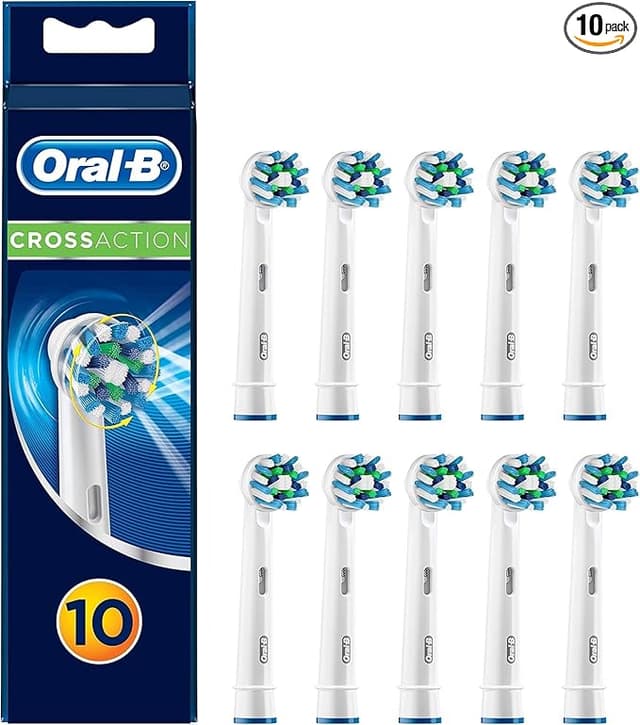
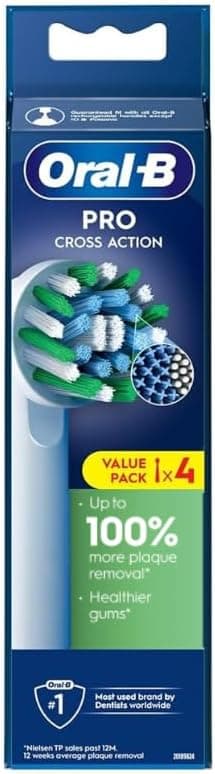
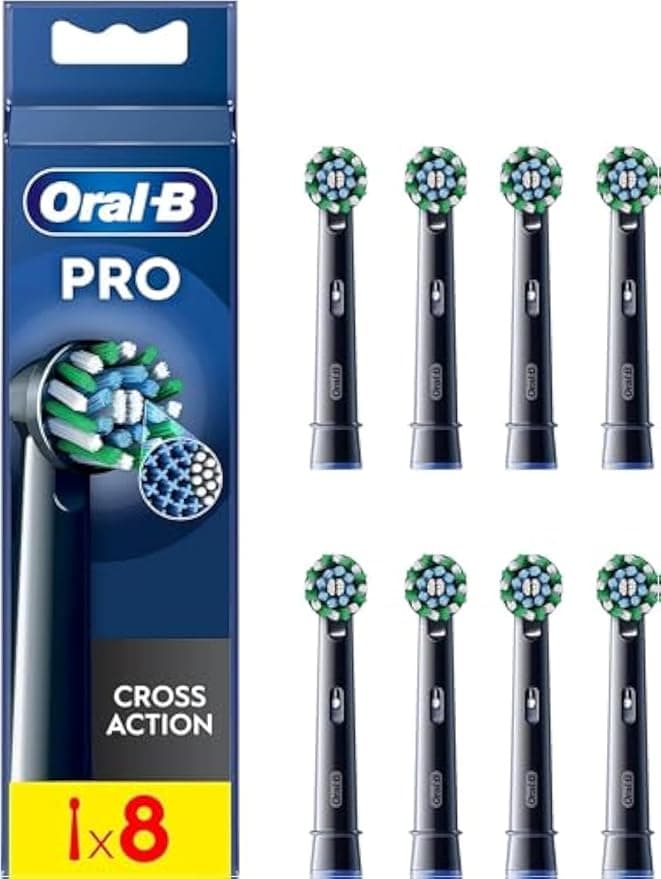
Forty-five dollars. For four little brush heads. That's what the cashier rang up the last time I bought genuine Oral-B refills — roughly eleven bucks a head, and I go through one every three months like the dentist tells me to. So that's a year of brushing for about $45, year after year, just for the plastic-and-bristle part. Meanwhile the compatible heads I'd been eyeing online were running closer to $18 for an eight-pack. Two years of refills for less than half of one OEM year.
I stood there doing the per-head arithmetic in the aisle like a weirdo. Two dollars and change versus eleven. Same little spinning disc that goes in my mouth twice a day. And I thought — okay, what's the actual catch here, because there has to be one.
So I bought a pack of the compatibles and ran them for the better part of a year across two handles in my house. Here's the honest report.
The price gap is real, and it's kind of insulting
Let me lay it out plainly, because the numbers are the whole story. Genuine Oral-B refills, depending on which line you're locked into, land somewhere around $9 to $12 a head when you buy them in the small packs most stores carry. The compatible heads I've been using work out to about $2.25 each in the eight-pack. If you replace on schedule — every three months, four a year — you're looking at roughly $44 a year for the real ones against maybe $9 a year for the compatibles.
That's not a rounding error. That's the difference between "annoying recurring cost" and "I forgot I even buy these." A year's supply of the aftermarket heads costs about what two genuine refills do. The OEM math only makes sense if there's a meaningful quality cliff. Spoiler: there mostly isn't, but I'll get to the part that bugged me.
Fit and install — the moment of truth
This is where cheap brush heads usually betray themselves, so it's the first thing I checked. Installing is dead simple either way: you pull the old head straight off the metal shaft, give the shaft a quick rinse under warm water — mine had a little toothpaste crust built up where the old head sat — and push the new one on until it clicks.
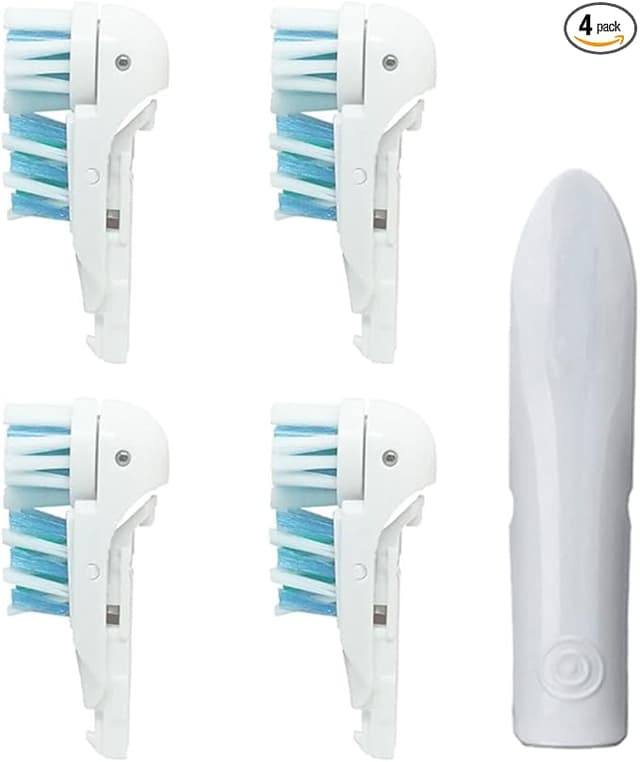
The genuine heads click on with this confident little snap and sit dead flush. The compatibles? They click too. They seat. They spin without wobble. But I'll be straight with you — on one of the eight, the seam where it meets the handle had a hair more play than the OEM does. Not a rattle, not a gap, just a slightly less premium feel when you press it on. Once it's spinning in your mouth you genuinely cannot tell. But in your fingers, in that first second, you feel the few dollars you saved.
What you should actually know about the bristles
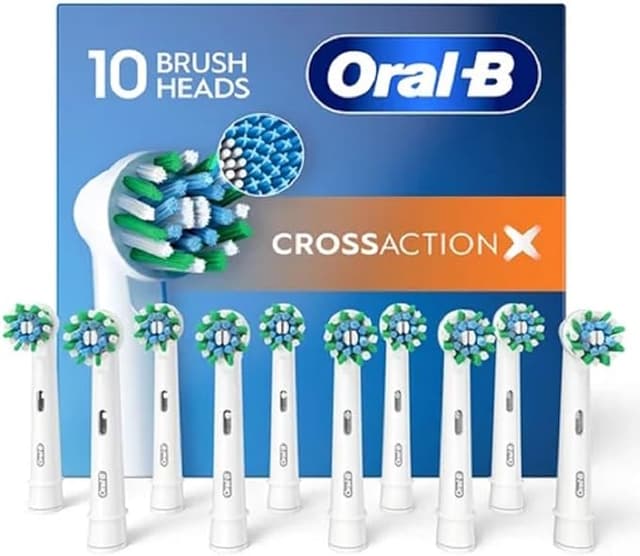
The selling point on these is the DuPont bristles, and I was skeptical of that line because everybody claims DuPont. But the bristle field on mine genuinely matched up — same kind of staggered, multi-length layout the Oral-B heads use, the cup-shaped tufts that wrap a tooth. After about three weeks of use the bristles started to splay a touch faster than I remember the genuine ones doing. Not dramatically. But if I had to nitpick, the OEM holds its shape maybe a couple weeks longer over the head's life.
How they actually clean
Day to day, I cannot tell the difference at the sink. My teeth feel just as slick after brushing, the dentist didn't say a word at my last cleaning, and the heads handled my morning coffee-and-tea situation fine. The whole point of a powered head is the handle doing the oscillating — the head is mostly a bristle delivery system, and these deliver.
Where I'll give the genuine heads their due: the polishing cup in the center of the official "3D White" style heads is a little better engineered for surface stains. If you're specifically chasing whitening, the OEM version has a slight edge there. For plain everyday plaque removal, which is what most of us actually need, it's a wash.
The downsides — and there are a few
I promised an honest catch, so here's the full list and not just one token gripe.
First, the bristles soften faster, like I said. With the genuine head I'd push toward the full three months before the bristles looked tired. With these I found myself swapping a little sooner because the tufts had splayed — call it ten weeks instead of thirteen. Which, fine, when they cost two bucks I don't care, but it's real. Worn bristles don't clean — they just push plaque around, and bacteria love a frayed, never-replaced head. The cheap price actually makes me better about replacing on time, but you do have to actually do it.
Second, the packaging is bottom-tier. The genuine heads come individually capped in those hygienic little plastic covers. Mine came loose in a single tray, eight heads sharing one open compartment. I rinse each one before first use anyway, but if you're squeamish about that, it's worth knowing.
Third — and this is the one nobody warns you about — that first-day plastic smell. Brand new, fresh out of the bag, the first head had a faint plastic-y odor when I sniffed it. A quick scrub under hot water and an overnight air-out killed it completely, and I never noticed it once it was in use. But the genuine heads don't do that, and the first time you catch a whiff of new plastic on something going in your mouth, you notice.
Why a tired brush head is more than a comfort thing
It's easy to treat the head as the part that doesn't matter. It's the part that matters most. Splayed, worn-down bristles physically cannot reach into the gumline and between teeth the way fresh ones do — they bend away instead of flexing into the spot. That's how plaque quietly turns into the stuff your dentist has to scrape. And an old head that's lived in a damp bathroom for six months is a genuinely grimy little object. The single biggest favor you can do your mouth isn't buying the fancier head — it's replacing whatever head you've got on schedule. The compatibles make that cheap enough that you'll actually do it.
So who should buy what
Buy the genuine Oral-B heads if you're specifically using them as a whitening tool and you want that polishing cup at its best, or if the slightly looser fit and loose packaging would nag at you every single morning. Some people just want the real thing in their mouth and that's a completely fair reason. No argument.
But me? I'm brushing to get plaque off, the compatible heads do that just as well, and I'm not paying $44 a year when $9 does the same job. I swap a couple weeks sooner, I rinse the new one first, I air out the first-day smell — and honestly, those are non-issues. I've reordered these twice now. For the price of two genuine refills I get a year and a half of clean teeth. That's not a compromise. That's just the smarter buy, and I'd grab them again tomorrow.