Troubleshooting & Analysis
I ran a brush head four months past dead, and my dentist noticed
The bristles had gone flat and gray-tipped — splayed out like a worn paintbrush — and I kept using it anyway because buying a new one always felt like a chore I'd get to later. Then a cleaning came back with a spot of bleeding along the lower gumline and a little lecture about plaque I wasn't reaching. That old head wasn't scrubbing anything. It was smearing. The frayed bristles had lost their spring, so the oscillation just pushed gunk around instead of lifting it. And here's the part that actually bothered me: a brush head that's been damp in a bathroom for four-plus months is a quiet little hotel for bacteria. I was putting that in my mouth twice a day.
So I finally did the math on replacements, and that's where the Oral-B story gets interesting.
The OEM price is the whole reason people stretch a head too long
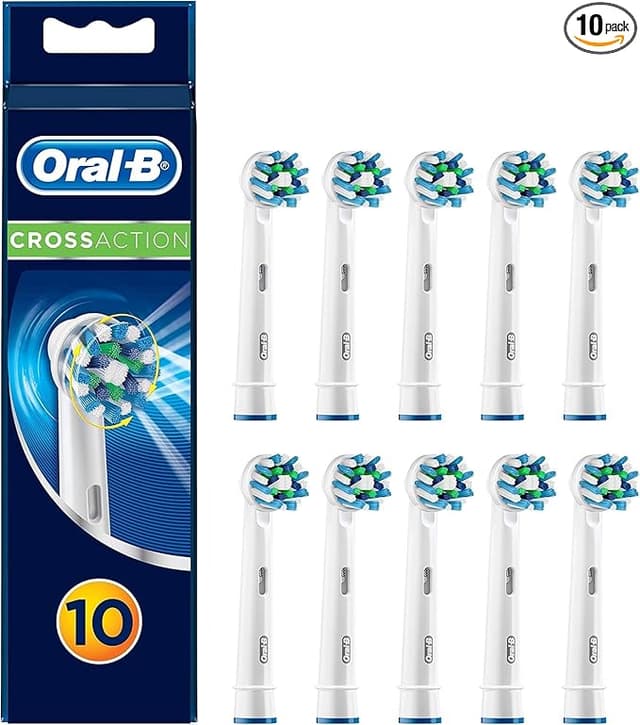
Genuine Oral-B heads run about $10 to $12 each once you're past the intro multipacks. A real three-pack lands around $28. You're supposed to swap every three months, so a single handle costs you roughly $40 a year in branded heads — and most households have more than one handle. That's the number that makes people do exactly what I did: shrug and keep brushing with a dead one.
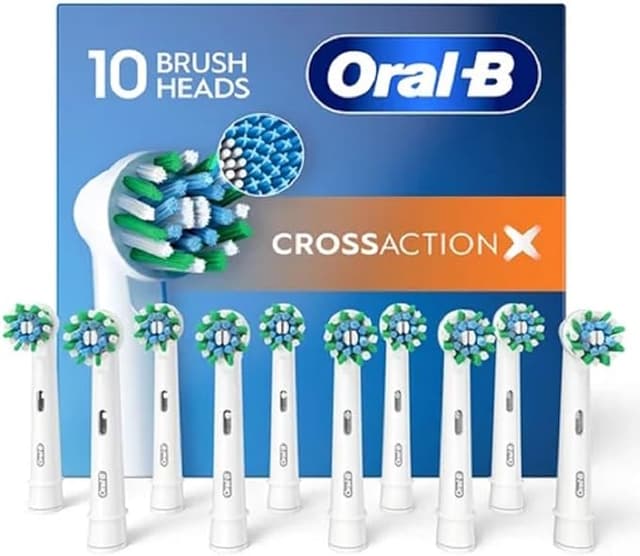
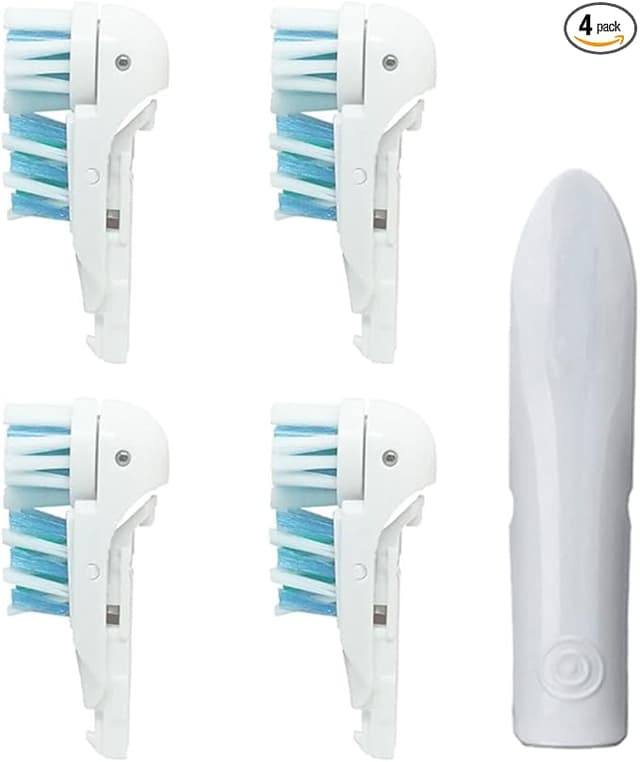
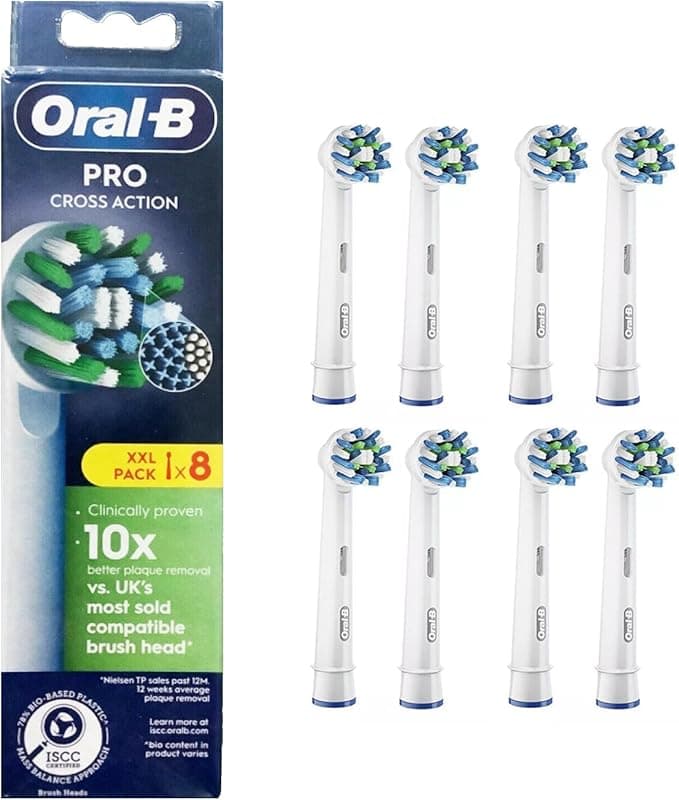
The compatible heads I switched to come in an eight-pack for right around $20. Do that math out. Eight heads is two full years for one person at the correct three-month interval, for less than the price of a single OEM three-pack. Or, the way the listing frames it — a year's supply for what two originals cost. Either way you're looking at a real $20-plus gap per pack, and that gap is the difference between "I'll replace it on schedule" and "I'll limp this one along."
I didn't trust the cheap ones at first. I assumed I'd get scratchy bristles or a head that wobbled off the shaft. Honestly? That's the whole reason I bought a pack — to see if the worry was real or just brand loyalty I'd been trained into.
Fit and install: it clicks, and that click matters
Installing one is nothing. Pull the old head straight off the metal shaft — it just slides — rinse the shaft under warm water to clear the grime that collects down at the base, and push the new head on until you feel and hear it seat. There's a distinct little click when it's home. That click is the thing I was nervous about, because a head that doesn't seat fully rattles and bleeds energy off the motor.
On the compatible heads, the click is there. Solid. The internal collar grabs the shaft the same way the OEM does, and after months of daily use I've had zero heads work loose mid-brush. If anything the fit is a touch firmer when brand new — you have to give the first one a confident push. Not loose. The opposite.
Performance: the bristles are the part they got right
This was my real test. The selling point on these is Dupont bristles, and after using them side by side with a genuine head on a second handle, I'll say it plainly — my teeth feel the same coming out of both. Same squeaky-clean tongue check across the front teeth, same reach into the back molars where I actually have trouble. The bristle stiffness is in the right zone: firm enough to do work, not so stiff it feels like it's sanding my enamel.
The wear pattern is honest, too. Most of these heads have the blue indicator bristles that fade as they wear, and on the compatible ones that fade tracks pretty closely to the OEM timeline. When the blue's mostly gone, the head's done its three months. That little built-in clock is the thing that keeps me from repeating my four-months-too-long mistake.
The downsides — and there are real ones
I'm not going to pretend this is a flawless swap, because it isn't.
First, the first day or two has a faint plastic smell. Fresh out of the packaging there's a whiff of new-plastic on the head, and you taste a hint of it on the first brush or two. It rinses out fast — soak the head under hot water before the first use and most of it's gone — but it's there, and it's more noticeable than on a genuine head. By day three I never thought about it again.
Second, the packaging is cheap. Genuine Oral-B comes in that rigid molded shell; these show up in a thin blister or a plain plastic sleeve. It feels less premium in your hand the moment you open it. Doesn't change how the head performs at all, but if unboxing matters to you, know that going in.
Third — and this is the one to actually weigh — fit consistency across a big multipack isn't perfectly uniform. Out of my eight-pack, seven seated with that clean confident click and one took a second, firmer push to fully seat. It got there and held fine, but it wasn't the identical glove-fit you get every single time with OEM. On a budget multipack, you're trading a sliver of that machined consistency for the price. For me that trade is easy. For someone who wants every single head to feel factory-identical, it's a real consideration.
The plastic on the head body also feels a hair lighter than genuine. Not flimsy, not creaky — just lighter when you hold the two next to each other. Months in, none of mine have cracked or degraded, so it reads as cosmetic, not structural. But your fingers notice it.
Why none of this is worth stretching a dead head over
Come back to what started this. A worn-out brush head doesn't clean — the splayed bristles can't reach the gumline, plaque sits, and gums get irritated exactly the way mine did. And an old damp head builds up a genuinely gross bacterial load over months. The single best thing you can do for your mouth isn't buying the fanciest head. It's swapping on schedule, every three months, no exceptions. Anything that makes you more likely to actually do that is a win.
That's the real argument for the cheaper heads. At about $20 for two years of swaps, the price stops being an excuse to stretch one too long.
Who should buy genuine instead — and what I do
If you've got a specialized handle and need an exact specialty head — a precise orthodontic or interdental shape — track down the genuine version; that's not where I'd gamble. And if a faint first-day plastic smell or a slightly less premium feel would genuinely nag at you, the OEM peace is worth the extra money to you, and that's fine.
For everyone else — standard daily cleaning, a normal Oral-B handle, three-month swaps — I grab the compatible eight-pack. Same Dupont bristles doing the same job, my teeth feel identical after, and at a $20-plus saving per pack I never again have a reason to ride a dead one until my dentist calls me out. I've bought them more than once now. That's the honest tell: I restocked.