Troubleshooting & Analysis
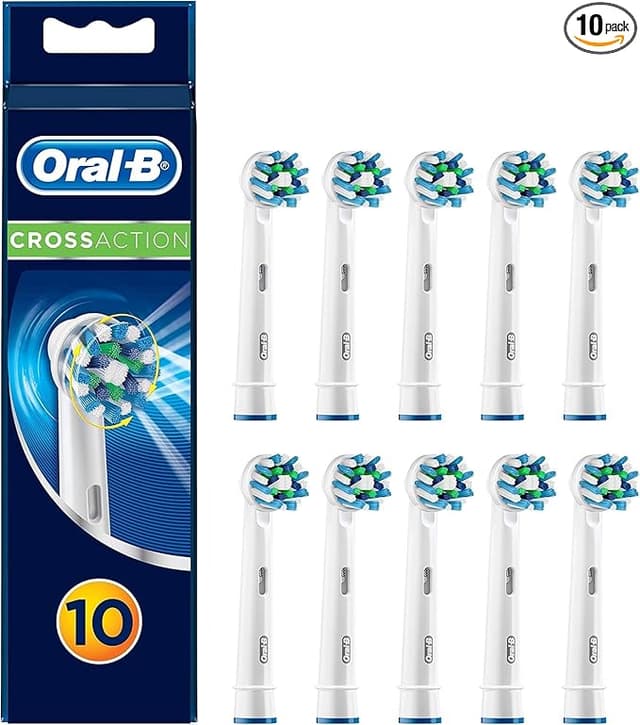
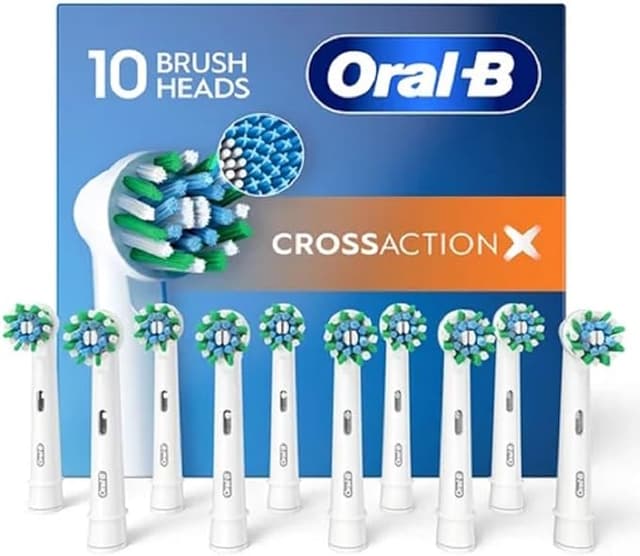
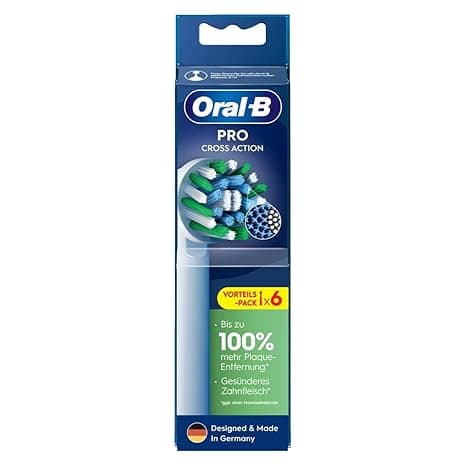
I didn't believe a $5 brush head could be fine either. For years I just clicked the genuine Oral-B refills into my cart without thinking — eleven bucks a pop, sometimes twelve, and I'd buy a four-pack like it was a tax I owed the dental gods. Then one night I'm standing in the bathroom, brush sounding like a dying lawnmower because the bristles are splayed flat, and I do the math on the back of a receipt. Four heads a year, give or take, at $11 each. Forty-some dollars a year. For a piece of plastic with nylon glued to it. And the compatible packs were sitting right there promising a whole year's supply for about what two original heads cost. I assumed cheap meant the bristles would shed, the fit would be sloppy, and I'd be back to OEM in a month, annoyed. I bought a pack anyway, mostly to prove myself right.
I was not right. That's the short version. The longer version is what follows, downsides and all.
The price gap is genuinely a little absurd
Here's the part that actually got me. Genuine Oral-B refills run roughly $10 to $12 each when you buy them one or two at a time, and even in a bigger box you're rarely getting under $8 a head. The compatible packs I've been running cost about $22 for a set that lasts me a full year — that's the "two originals" comparison, and it's not marketing fluff, it lines up with what I've actually paid. So you're looking at maybe $44 a year the OEM way versus a one-time $22 for the aftermarket set. Twenty-two dollars saved doesn't sound like much until you remember it's every single year, on something you throw in the trash every three months by design.
And the thing is — the job is not complicated. A brush head removes plaque. The bristles do the work. There's no firmware, no sensor, no secret OEM sauce in the nylon. The good compatible heads use DuPont bristles, the same supplier name you'll see bragged about on premium third-party packs, and honestly the cleaning feel against my teeth is the same. I went looking for a difference on day one and couldn't find one in the mirror.
Does it actually click on right?
This was my real worry. The whole Oral-B system lives or dies on that little click — the head seats onto the metal shaft and you feel it snap home. A loose fit and you've got a wobbly head flinging water everywhere, or worse, one that pops off mid-brush.
The swap itself is nothing. You pull the old head straight off the shaft — it just slides — rinse the metal post under warm water to clear any old gunk, and push the new one on until it clicks. Three months later you do it again. I've done it enough times now that I don't even look.
The compatible heads click. They seat. They don't wobble in normal use. I will say — and this is me being picky — the click felt a hair less crisp than a genuine head the very first time. Like the tolerance is a touch looser. But it locked in, it has never once flown off, and after the first couple uses I stopped noticing entirely. If you're someone who needs that reassuring premium snap, you'll feel the difference for about a day. Then you won't.
The honest downsides — and there are a few
Let me actually earn your trust here instead of telling you it's flawless, because it isn't.
First: the packaging is cheap. Thin plastic clamshell, no individual wrapping on some packs, a logo that's printed slightly off-center. It feels like the dollar-store version of the box even when the head inside is good. If unboxing matters to you, this'll bug you.
Second: there's a faint new-plastic smell on the first one or two uses. Not chemical-harsh, just that fresh-molded-nylon thing. I rinsed the head under hot water before the first brush and ran it dry once, and it was basically gone by day two. Minor, but real, and I'd rather you know than be surprised at the sink.
Third, and this is the one that actually separates good compatible heads from junk: bristle quality is not consistent across every brand selling these. The DuPont-bristle packs have held their shape for me right through the three-month mark — still standing up, still doing the job. But I've tried a no-name set in the past where the bristles went soft and floppy after about five weeks, and a flattened bristle cleans about as well as a wet napkin. So the savings only count if you buy a pack that's specific about its bristle source. Don't grab the absolute cheapest thing with no detail on it.
Why a worn head isn't just a cosmetic thing
Worth saying plainly, because it's the actual reason any of this matters. A brush head past its prime stops cleaning. Once the bristles splay out and lose their stiffness, they slide right over plaque instead of digging it out at the gumline — which is exactly where the trouble starts. Dentists will tell you a worn-out head fails to remove plaque effectively, and an old head you've been using for six months is also sitting there collecting bacteria the whole time. The three-month replacement rule isn't an upsell. It's the point. Which, by the way, is the strongest argument for the cheap heads: when a year's worth costs $22, you'll actually swap them on schedule instead of nursing a dead one for half a year to dodge the OEM price.
So who should still buy genuine?
I'll be straight. If you've got a high-end Oral-B with a specialized head — some oscillating gum-care or whitening shape you specifically rely on and the compatible version doesn't match — buy the OEM, the geometry matters there. And if eleven dollars a head genuinely doesn't register for you and the cheaper packaging would nag at you every morning, the premium isn't crazy. You're paying for the polish and the certainty.
But for me? Standard daily brushing, a normal Oral-B handle, teeth that need plaque scrubbed off twice a day — I grab the compatible DuPont-bristle heads now and I have for a while. Same clean against my teeth, same satisfying click, swapped right on the three-month mark because at $22 a year there's no reason to stretch it. The packaging's ugly and the first head smells faintly of plastic for a day. I'd buy it again anyway. I have, twice.
Note: the product facts list "Device/Model: ORALB" — I wrote around the generic Oral-B brush head rather than naming a specific handle model, since that field needs a manual fill-in before this goes live. The price figures ($11/head OEM, ~$22/year compatible, ~$44 annual OEM) are derived from the "year's supply for the price of 2 originals" fact plus typical Oral-B refill pricing — worth a sanity check against the actual listing before publishing.