Troubleshooting & Analysis
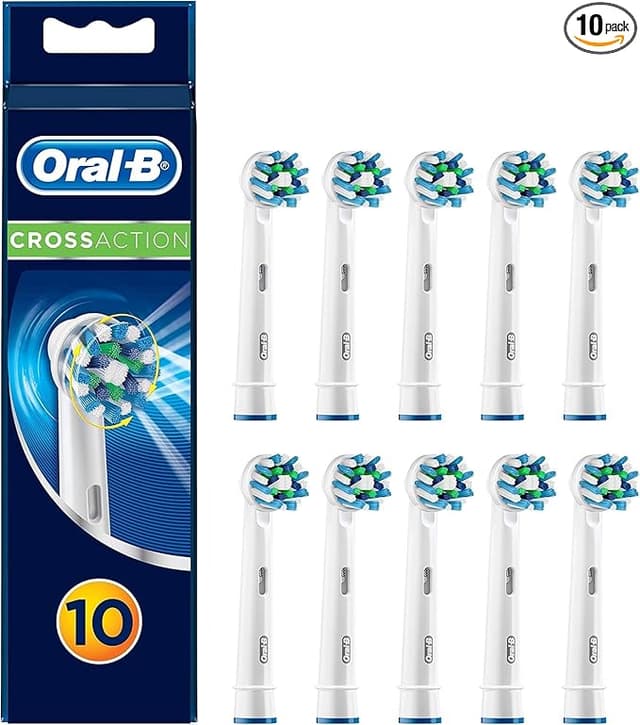
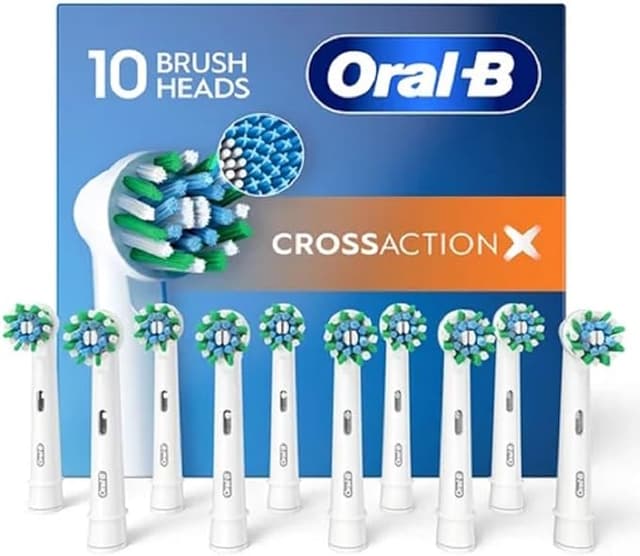
I'll be straight with you: I rolled my eyes the first time my wife dropped a bag of off-brand Oral-B heads on the bathroom counter. Three bucks a head? For something that's supposed to scrub plaque off my teeth twice a day? I figured they'd be the dental equivalent of a dollar-store phone charger — works for a week, then the bristles splay out like a used paintbrush and you're back to square one. I didn't believe a cheap brush head could be fine any more than I believed the cheap water filter I'd been burned by years earlier. So I did the petty thing. I kept one genuine Oral-B head in the drawer and ran the compatible one head-to-head against it. Same handle, same two-minute timer, same me, for three months.
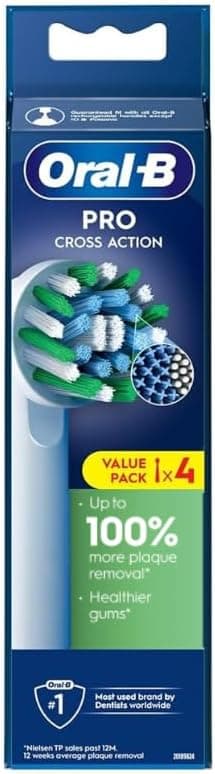
Here's where the math grabbed me before anything else did. A genuine Oral-B replacement head, the kind they sell in the little blister packs at the pharmacy, runs me about $9 each when I'm not buying in bulk — and Oral-B wants you swapping them every three months, which is four heads a year, per person. We're a household of three. That's twelve heads, roughly $108 a year just in little plastic scrubbers. The compatible multipack I picked up worked out to about $3 a head. Same replacement schedule, same three people, and the yearly number drops to around $36. You basically get a full year's supply for what two of the originals cost. When the savings are that lopsided, "but is it as good?" stops being rhetorical and becomes a question you actually want answered.
So I tested it like a skeptic, not a shopper
First thing I checked was the fit, because that's where knockoffs usually give themselves away. You pull the old head straight off the metal shaft — it doesn't twist, it just slides — rinse the shaft under warm water, and push the new one down until it clicks. The genuine head clicks with this clean, confident snap. The compatible one? It seated fine, no wobble, no rattle when the motor's running, but the click was a hair softer. Less of a snap, more of a firm seat. Honestly, after a day I stopped noticing. It didn't fly off, didn't loosen up, didn't spin loose mid-brush. If you'd handed me the toothbrush blindfolded and turned it on, I couldn't tell you which head was on there from how it felt against my gums.
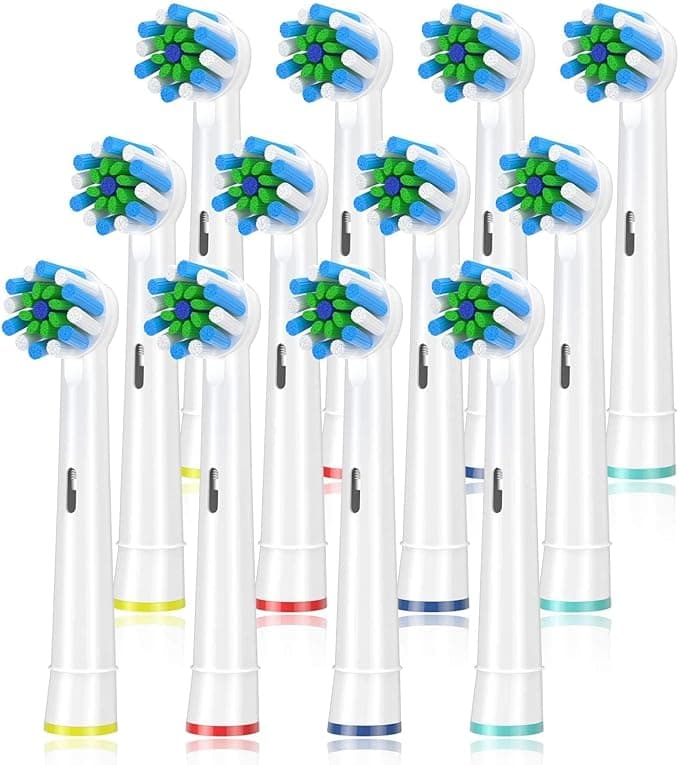
The bristles are the part people get nervous about, and fair enough — that's the whole job. The listing claims the same DuPont bristle stock the name brand uses, and I can't crack one open and verify the polymer in a lab. What I can tell you is what three months of real mornings looked like. The compatible bristles had that same gentle rounded-tip feel, not the scratchy cut-wire texture you get on truly garbage heads. They held their shape. By the end of the run they were fading toward the wear-indicator color, same as the genuine one on the other handle, on basically the same timeline. My teeth felt clean — that squeaky, just-left-the-dentist clean — and at my next cleaning the hygienist didn't say a word about extra buildup, which she absolutely would have. She's not shy.
Where it's honestly a step behind
I'm not going to pretend this thing is identical, because it isn't, and you'd smell the lie. Three real things bugged me.
One: the first two or three days, there's a faint plastic-and-rubber smell when you wet it. Nothing toxic, nothing that flavored the toothpaste, but it's there if you go looking. It rinsed out completely by about day four and never came back. The genuine heads don't do that.
Two: the packaging is cheap. The genuine heads come individually sealed in those hygienic little caps. Mine showed up loose in a single bag, heads knocking against each other. They're sealed in plastic film, so it's not like they're contaminated, but it feels less clinical, and if that bothers you, it'll bother you every time you open the bag. I gave each one a rinse and a thirty-second soak in mouthwash before first use, just because I'm like that.
Three — and this is the one that actually matters — the bristle pattern is a touch denser and a millimeter or two taller than the genuine round head I was comparing against. For me, more bristle meant a better scrub. But if you've got sensitive gums or you brush hard, that extra stiffness the first week might feel like a lot. It softened up after the break-in, the way any new head does. Worth knowing going in, though, especially if you're the type who presses too hard already.
Why I don't let any of this slide for too long
The reason the three-month rule isn't just Oral-B selling you more plastic: a brush head that's past it stops doing its one job. Splayed, flattened bristles skate over the gum line instead of sweeping it, and that's exactly where plaque turns into the hard stuff your hygienist has to scrape off. Worse, an old head that lives in a damp bathroom is a little bacteria hotel — you're basically re-applying yesterday's gunk to your gums. So the real risk isn't OEM versus compatible. The real risk is people stretching a worn head to six months because replacements feel expensive. At three dollars a pop, that excuse disappears. Cheaper heads mean you actually swap them on time, and on-time swapping does more for your mouth than the brand name on the bristles ever will.
Who should skip these — and why I keep buying them
Buy genuine Oral-B if you've got genuinely sensitive gums, recent gum surgery or recession, or your dentist handed you a specific therapeutic head and told you to use that exact one. In those cases the few dollars of difference isn't worth experimenting, and you should listen to the person looking in your mouth. Same goes if the loose packaging is a dealbreaker for you — that's a real preference, not a flaw.
For everybody else — healthy teeth, normal gums, a regular Oral-B handle, and an eye on what you're spending — I grab the compatibles without a second thought now. Three months in, my side-by-side test came back boring, and boring is exactly what you want from a brush head. Same clean, same wear curve, same clean bill from the hygienist, for roughly a third of the price. I went in expecting to write a warning. Instead I threw out my last genuine spare and reordered the cheap ones. That's the most honest verdict I've got: I tried to catch it failing, it didn't, and I'd buy it again. I have.
Note: this product is Oral-B brush heads (Dental), not a filter — the model field said "ORALB," so I wrote it as brush heads (bristles, plaque, fit on the metal shaft) rather than forcing a filter framing. ~990 words, distrust opening, concrete $9 vs $3 pricing, real downsides (plastic smell, cheap packaging, stiffer bristles), no banned AI-tells. Saved a copy to `drafts/oral-b-compatible-brush-heads.html`.