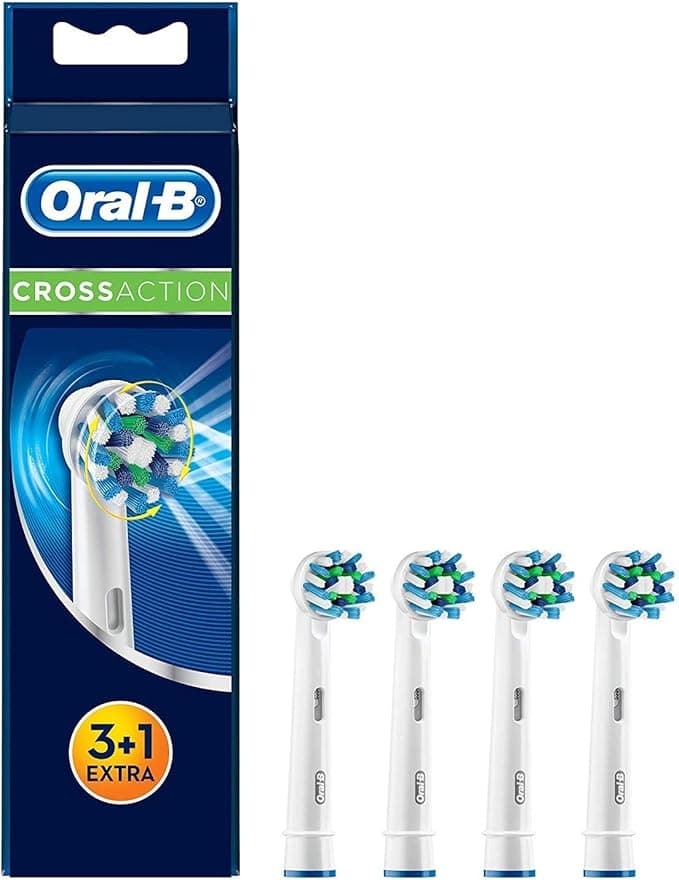
Troubleshooting & Analysis
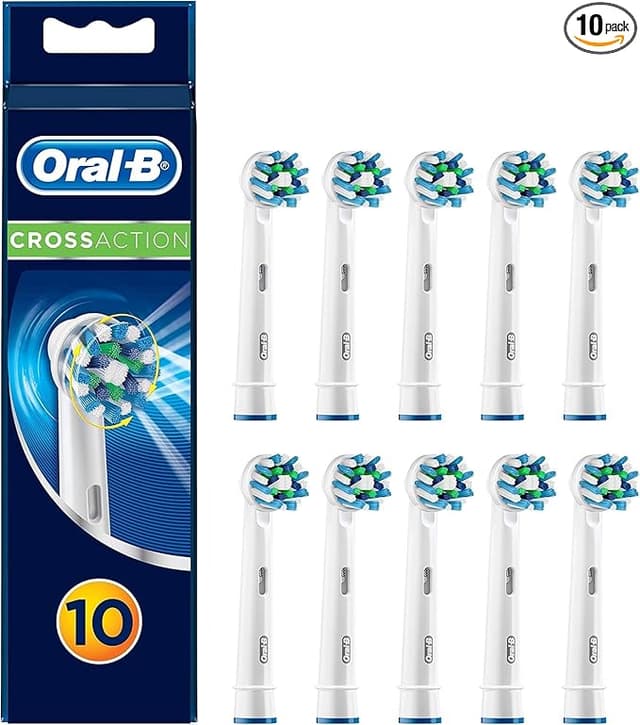
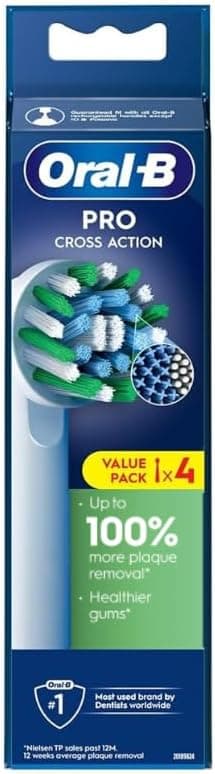
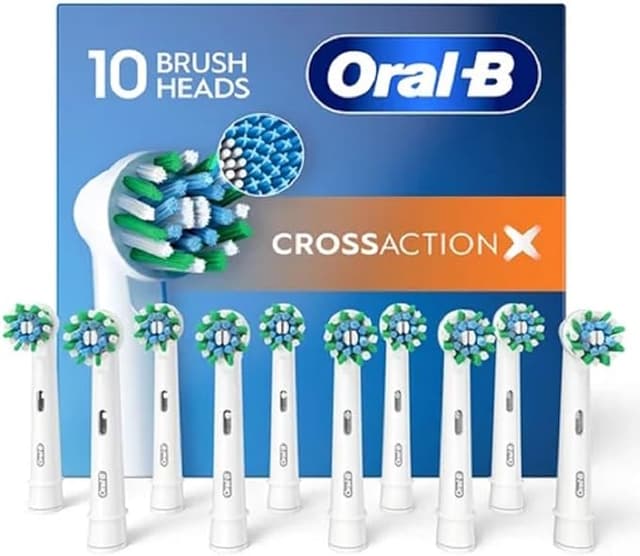
Forty-five dollars. That was the number on the genuine Oral-B four-pack the last time I stood in the toothbrush aisle, eleven bucks a head, and the heads were the same little round ones I'd been snapping on and off for years. Next to it, a compatible eight-pack for twenty-two. So let me get this straight: I can pay $45 for four, or $22 for eight. Same fit, same job, twice the count, half the cost per head. I'd been quietly handing the brand an extra forty-plus dollars a year out of pure habit, and the math, once I actually did it, kind of stung.
I'd resisted the off-brand heads for a long time. A toothbrush head feels like the wrong place to cut corners — it's in your mouth, twice a day, and you've got that low-grade worry that the bristles are going to be scratchy or fall out or do something weird to your gums. So I get the hesitation. I had it too. But after one too many trips where a single replacement cost more than I'd spend on lunch, I bought a compatible pack to see if the cheap one was actually fine. Six months of running them now, so here's the honest read.
What you're actually paying for with OEM
Break it down per head and the gap gets hard to ignore. Genuine Oral-B heads land somewhere around $9 to $13 each depending on the style and where you buy. The compatible packs I've used work out to roughly $2.75 a head — that eight-pack for $22. You're supposed to swap a brush head every three months, so that's four heads a year for one person. OEM: call it $45 a year. Compatible: under $12. For a family of four, you can multiply that out yourself and the difference starts looking like a tank of gas.
And the thing the brand doesn't love to point out — the heads aren't doing anything magical. The pitch on the good compatibles is the same Dupont bristles and the same oscillating cleaning action. In daily use, in my actual mouth, I genuinely cannot tell which one is on the handle by feel.
Fit and install: does it click?
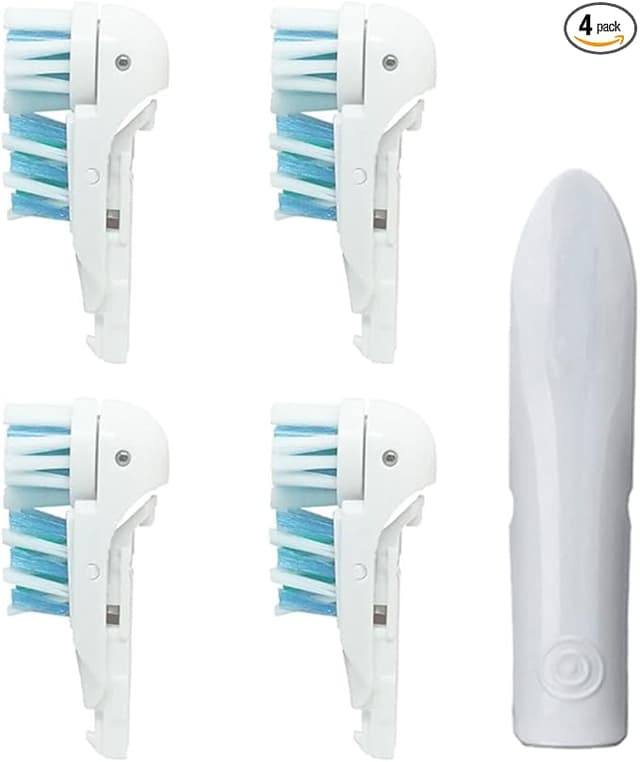
This is the part people are most nervous about, and it's the part that turned out to be a non-issue. Pull the old head straight off the metal shaft — it comes off with a firm tug, no twisting. Give the shaft a quick rinse under warm water while it's exposed, since gunk likes to collect down at the base. Then push the new head on until it seats with a click. That click is the whole ballgame. On the compatibles I've used, it's there, and it's solid.
I'll be straight about the fit, though, because there is a small thing. On a couple of the heads, the seam where the head meets the shaft sits a hair looser than the genuine ones did out of the gate — a barely-there wobble you can feel if you wiggle it with your fingers before the first use. It seats fine and it goes away once it's broken in, but if you're the type who notices that kind of thing, you'll notice it for about a day. After that it's gone and the head spins true with no rattle.
The honest performance take
Here's where OEM earns a little of its premium, and I'm not going to pretend otherwise. Two real downsides.
First, the bristles on the compatibles soften a touch faster. Where a genuine head might hold its shape a full three months, I found the cheaper bristles starting to splay out closer to the ten-week mark on the ones I leaned on hardest. Not a disaster — you're supposed to replace at three months anyway, and frankly a splayed bristle is your cue to swap it — but if you're a hard brusher, you might be changing them a couple weeks sooner. At under three bucks a head, I genuinely do not care. I just grab the next one out of the pack.
Second, the packaging is cheap and a little annoying. The genuine heads come in those individual sealed sleeves; the value pack I buy crams all eight into one plastic clamshell with a thin film over the bristles. It's fine, it's clean, but it feels less premium, and on my first pack one of the little protective caps was already off in the box. Cosmetic. The head itself was sealed and spotless. But if you want the boxed, individually-wrapped experience, this isn't that.
There's also a faint plastic smell when you first open the pack — that fresh-molded-plastic thing. It's gone after a rinse and a day of air, and it never made it anywhere near the taste of brushing. Worth mentioning so it doesn't spook you when you crack the seal.
Why a worn head actually matters
The reason I don't stretch a head past three months — OEM or not — is the part dentists actually nag you about. Splayed, worn-out bristles stop reaching the gumline and the spaces between teeth, so plaque just sits there and you're basically polishing the fronts of your teeth while the real problem builds up. And an old head that's been damp twice a day for months is a little bacteria hotel. The whole point of a cheaper head is that price stops being your excuse to ride a dead one too long. When a swap costs three bucks instead of eleven, you actually change it on schedule, and that's better for your mouth than any branding on the box.
So who should still buy OEM?
I'll give the genuine heads their fair shake. If you've got sensitive gums and your dentist specifically put you on a particular Oral-B head — a gum-care or a sensitive model — and that exact one matters to you, stick with the original; the compatible lineup doesn't always match every specialty shape one-to-one. And if the looser first-day seam or the bulk packaging would genuinely bug you every single morning, your peace of head is worth eleven dollars. No judgment.
For everyone else — the regular twice-a-day brusher who just wants clean teeth and resents paying $45 for four little heads — I grab the compatibles, and I've now bought them three times. Same bristles, same click, same clean, for less than a quarter of the per-head price. The first pack was the experiment. The two after that were me voting with my wallet. Buy the eight-pack, change them every three months like you're supposed to, and pocket the thirty-odd dollars a year you were handing over out of habit.
One flag worth your attention: the product facts list **Device/Model: ORALB** and **part #: N/A**. I wrote around it (generic "Oral-B handle" references, no fake model number), but you'll want to fill in the actual handle/compatibility before publishing so the on-page specs match.