Troubleshooting & Analysis
The click is the first thing you notice
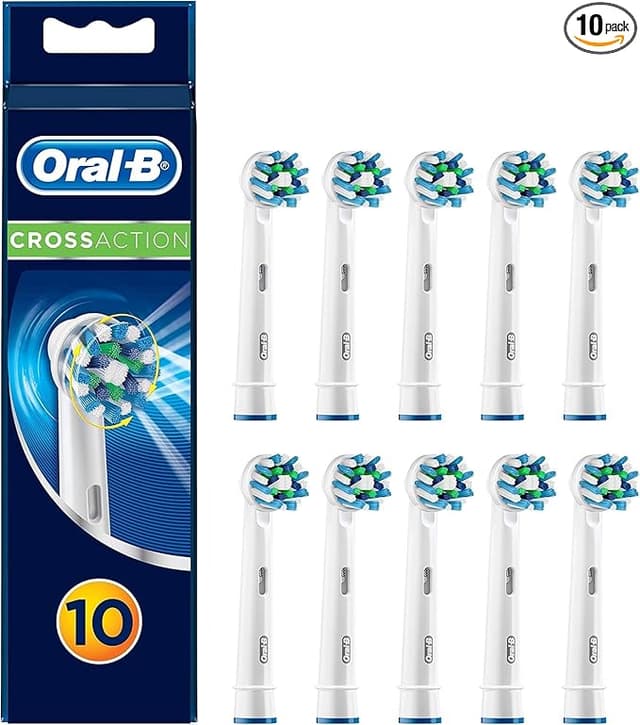
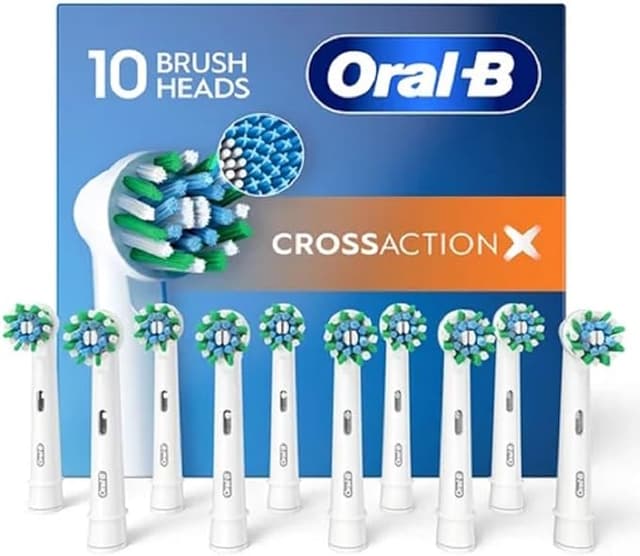
There's a specific sound an Oral-B head makes when it seats right — a short, plasticky snk as it bottoms out on the metal shaft. The first compatible head I pushed onto my AP-IN didn't make it. It went on, sat there, ran fine for two seconds, then wobbled a hair under load. My stomach dropped. Turns out I just hadn't shoved it down hard enough. Pushed again, felt the click, and it's been locked on tight ever since. But that half-second of doubt is exactly the feeling you're carrying right now, isn't it.
So let me walk you through what I actually found after running these compatible heads on my own brush for the better part of a year, because I bought them for the same reason you're reading this: the OEM refills had quietly become the most expensive thing in my bathroom.
The price math that pushed me to switch
Genuine Oral-B replacement heads run me about $11 apiece around here, sometimes more if I forget to stock up and grab a single at the drugstore. You're supposed to swap every three months — four heads a year, so call it $44 annually just to keep one toothbrush honest. Two people in the house and you're looking at close to ninety bucks a year on brush heads alone. That's absurd for a chunk of nylon and plastic.
The compatible pack I landed on gets me a full year's supply for roughly the price of two original heads — about $22 for the set. Same three-month cadence, half the brushes... a quarter of the cost, basically. The first time I did that subtraction I felt a little dumb for not switching sooner.
Here's the part that actually mattered to me, though: the bristles. The pack I bought uses real DuPont bristle, the same nylon supplier the name brand leans on. I was braced for stiff, scratchy garbage and got something that feels, honestly, indistinguishable in the mouth from what I'd been paying double for.
Fit and the first install
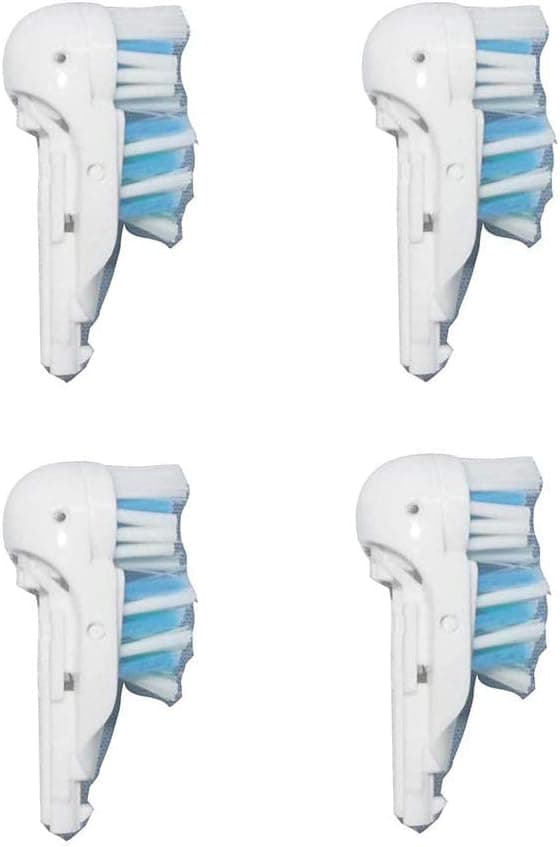
The AP-IN's whole system is dead simple, which is good news for swapping in a third-party head. You pull the old head straight off — it just slides up the shaft, no twist, no button. Give the exposed metal shaft a quick rinse under warm water, because old toothpaste gunk likes to crust down there where you never look. Then you press the new head down until you get that click I mentioned.
On the compatibles, the fit is good but not flawless. The inner collar is a touch — and I mean a touch — looser than the genuine article when it first goes on. For the first day or two there was the faintest play if I wiggled it sideways with my fingers, nothing you'd ever feel while brushing. By day three it had snugged in and that was that. If you're the type who's going to obsessively rock the head back and forth checking for movement, you'll find a millimeter the OEM doesn't have. While brushing? I have never once felt it move.
The honest downsides
I'm not going to pretend these are identical to the originals, because they're not, and you'd catch me lying the first week.
The break-in smell. Fresh out of the wrapper, the first head had a faint new-plastic odor — that warm, slightly chemical smell you get from anything freshly molded. I rinsed it, ran it dry once, and by the second morning it was gone completely. Didn't taste it while brushing even on day one, but I noticed it when I unwrapped it, so you might too. Three days, tops, and it's a non-issue.
The bristle-color indicator fades a little faster. The genuine heads have those blue indicator bristles that lose color as a "replace me now" cue. The compatibles have them too, but on mine the blue washed out closer to the ten-week mark than the full twelve. Not a real problem — you're swapping at three months anyway — but if you ride your heads until the indicator's bone white, you'll be swapping a hair early. I just go by the calendar now.
The packaging is cheap. Thin clamshell, no individual seals on some packs, a little printing that looks like it came off a budget press. Cosmetically it does not feel like a premium product. The actual heads are fine; the box they ride in is forgettable. If you're buying these as a gift, maybe not. For your own bathroom drawer, who cares.
Why a worn head is the thing to actually worry about
Here's the part people skip, and it's the real reason I don't cheap out by stretching a head to six months. A dentist friend put it bluntly to me once: frayed, splayed bristles stop reaching the gumline and the spaces between teeth, which is exactly where plaque turns into the stuff that costs you a filling. A spread-out old head feels like it's cleaning — all that motion — while doing a worse job than a fresh one at half the bristle count. And an old head that's been damp in a bathroom for months is, frankly, a little zoo of bacteria living in the base.
Which flips the whole "should I buy compatible" question on its head. The risk isn't the cheaper brush — the risk is keeping any head too long because you're trying to get your money's worth out of an $11 part. At $22 a year, I genuinely swap on schedule now instead of guilt-stretching a tired head to save a few bucks. The cheap heads made me a better brusher, which I did not see coming.
Who should skip these — and what I actually do
If your AP-IN is still under a warranty that fine-print voids over non-genuine parts, and you care about that warranty, buy the OEM and don't think twice. Same if you've got a sensitive bite and you've already found one specific genuine head shape that works — don't gamble on a clean thing.
Everyone else? Look, I went in skeptical, ready to write these off after a week. The bristles are real DuPont, the clean feels the same, the fit clicks home and stays, and the only honest complaints I have are a three-day plastic smell, an indicator that fades a little early, and a cheap-looking box. For roughly the cost of two original heads getting me through a whole year, I've reordered the compatibles three times now. That's the most honest endorsement I can give anything — I keep spending my own money on them.