Troubleshooting & Analysis
The smell told me before the dentist did
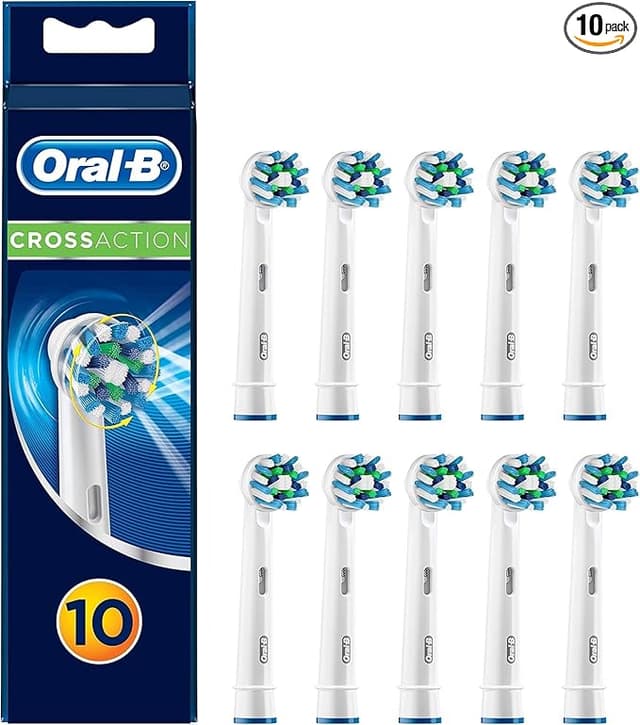
I noticed it on a Tuesday night. Leaning over the sink, halfway through brushing, I caught a whiff of something off the brush head on my Oral-B AP-IN — kind of sour, kind of plasticky. The bristles had gone from white to that gray-yellow color and they were splayed out flat like a worn paintbrush. I'd been running that same head for, honestly, close to seven months. Way past when I should've swapped it. And here's the part that actually bugged me: I knew better. I just kept putting it off because every time I went to buy genuine Oral-B refills I'd see the price and close the tab.
So that night I finally did the math instead of the avoidance. And then I went looking for the compatible heads I'd been ignoring for a year. This review is what happened after.
The price that kept me brushing with a dead head
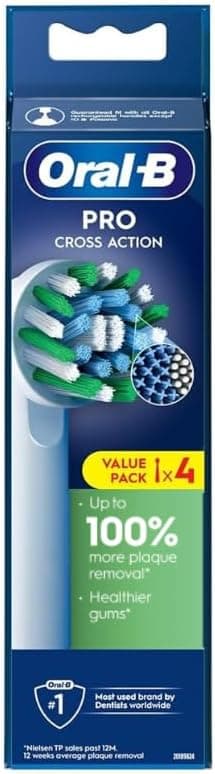
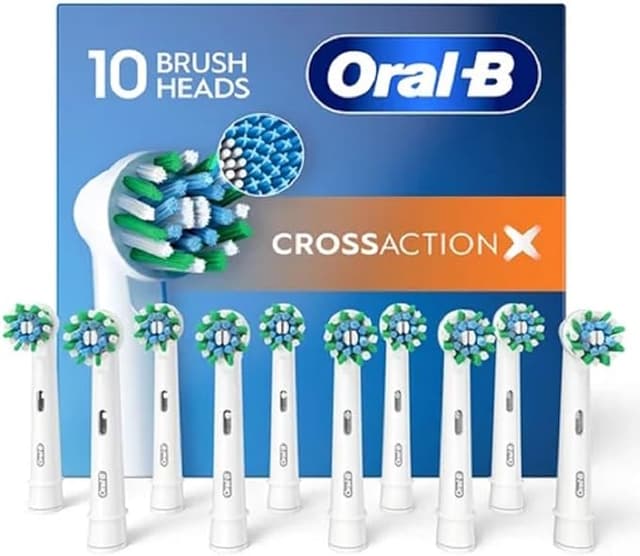
That's the real story here, so let me put it up front. Genuine Oral-B replacement heads run you roughly $40 for a pack — and dentists, including mine, want you changing them every three months. That's four packs a year if you're a one-pack-at-a-time buyer, and the per-head cost adds up fast. The compatible heads I bought? I got a year's worth for about the price of two original packs. Call it the cost of two, doing the work of four. That gap — paying half and changing them on schedule instead of stretching one sad head past its grave — was the whole reason I switched. The cheap part isn't really the heads. The cheap part is what I was doing to my gums to avoid buying them.
Do they actually fit the AP-IN, or is it a fight?
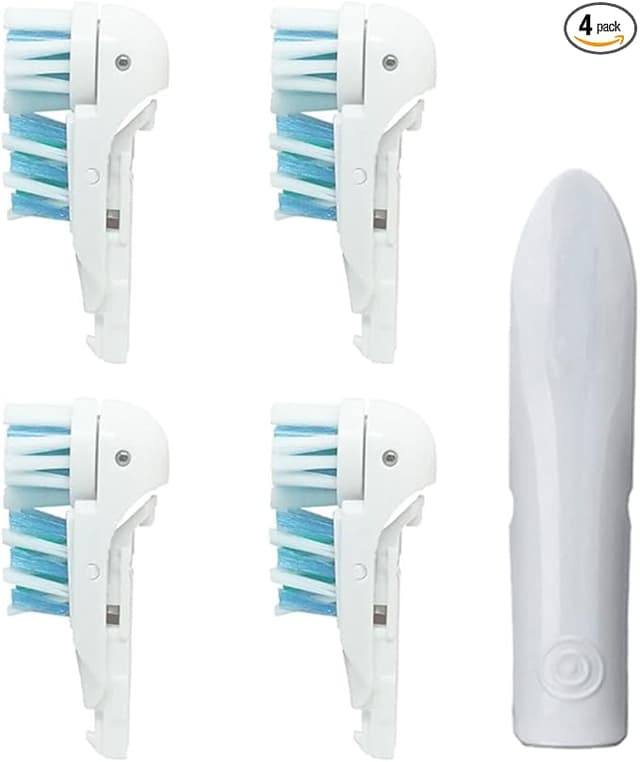
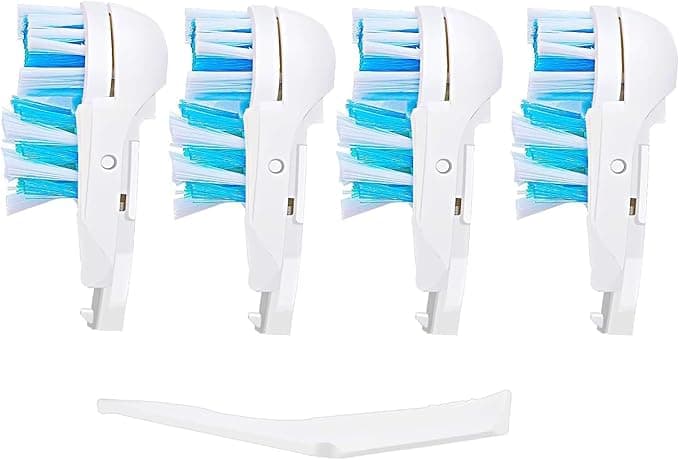
This was my worry. Aftermarket brush heads have a reputation for not seating right — wobbling, popping off mid-brush, that sort of thing. With the AP-IN it's a straight push-on shaft, no threading, no clip. You pull the old head straight off (mine came off with a slightly gross little suction sound after that long), rinse the metal shaft under warm water, and push the new one down until it clicks.
The click is the thing. On the genuine head it's a crisp, confident snap. On these compatible ones the click is there — but it's a hair softer, and the collar sits maybe a millimeter higher than I expected the first time. I'll be straight with you: the first one I seated, I pulled back off and re-seated twice because I wasn't sure it had fully clicked. It had. Once it's on, it's on. I've had zero heads work loose, zero wobble at the base while the motor's running. The fit tolerance is just a touch looser than OEM, and you feel it going on, not while you're using it.
How they actually clean
The selling point on the box is DuPont bristles, and I went in skeptical of that claim because everybody says DuPont. After a couple months I can tell you the cleaning feel is genuinely close. That squeaky, just-left-the-dentist feeling on my front teeth? I get it. The bristles have the same multi-length, slightly angled cut as the originals so they get into the gum line decently.
Where I'll give the edge to genuine Oral-B: the indicator bristles. The real heads have that blue dye band that fades to signal "replace me" — a dumb little feature I didn't appreciate until I was using heads that don't fade as cleanly. On the compatible ones the color cue is weaker, so you're back to watching for the splay yourself. Given that ignoring the swap is literally how I started this whole mess, that's not nothing. I now just set a phone reminder for every three months and stopped trusting my eyeballs.
The downsides, the real ones
Two things, and I won't soft-pedal them. First, the break-in. The first two or three days there's a faint plastic taste — not strong, not chemical-burn awful, but present. It rinses out. Run the head under hot water before the first use and it's mostly gone by day three. Second, the packaging is cheap. Thin blister plastic, heads rattling around, no individual wrapping like the genuine ones get. It feels less premium the second you open the box, and if you care about that, it'll bug you. It doesn't affect the brushing at all — but I'm telling you because pretending the experience is identical would be a lie, and you'd find out anyway.
I'd also flag: I haven't run these for two full years, so I can't speak to whether the bristles hold their shape across a dozen heads the way I'd trust a genuine pack to. So far, head over head, they've been consistent. But that's the honest limit of what I've tested.
Why a worn head is more than a cosmetic thing
Quick reality check, because this is the part I learned the hard way. Frayed, splayed bristles don't reach plaque — they slide over it. And a brush head you've kept past its prime is a damp little bacteria hotel; that sour smell I caught was the warning. A fresh head every three months isn't dentist upselling, it's the difference between actually removing plaque and just polishing it around. The compatible heads being cheap is what makes the three-month swap painless. That's the actual safety argument: you change them on time because changing them doesn't hurt your wallet.
So who should skip these?
If you want that fade-to-replace indicator bristle, or you're the type who'll be bothered by a flimsy blister pack and a two-day plastic taste, buy the genuine Oral-B and don't think about it again. No shame in that.
But for me? I've got the same DuPont-bristle clean, a fit that's a touch looser going on but rock-solid in use, at roughly half the yearly cost — which means I actually replace them on schedule now instead of brushing with a seven-month-old disaster. I bought a second year's supply already. That's the most honest endorsement I've got: I spent my own money on them twice.