Troubleshooting & Analysis
Six dollars a cartridge — for a disc of charcoal
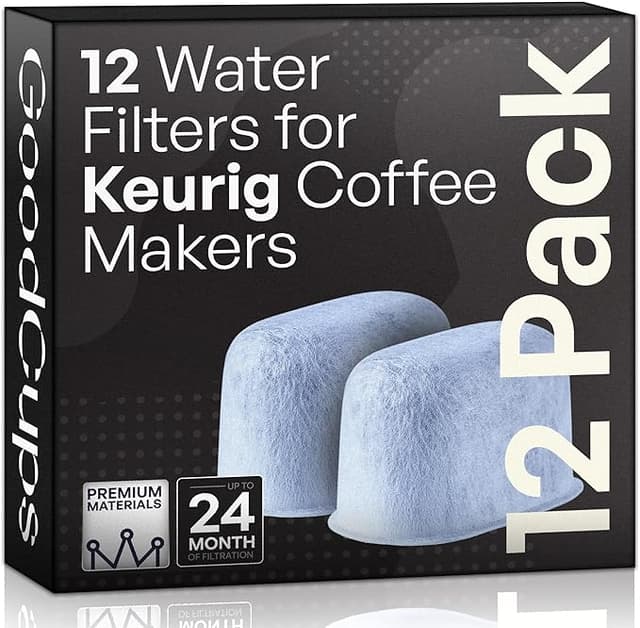
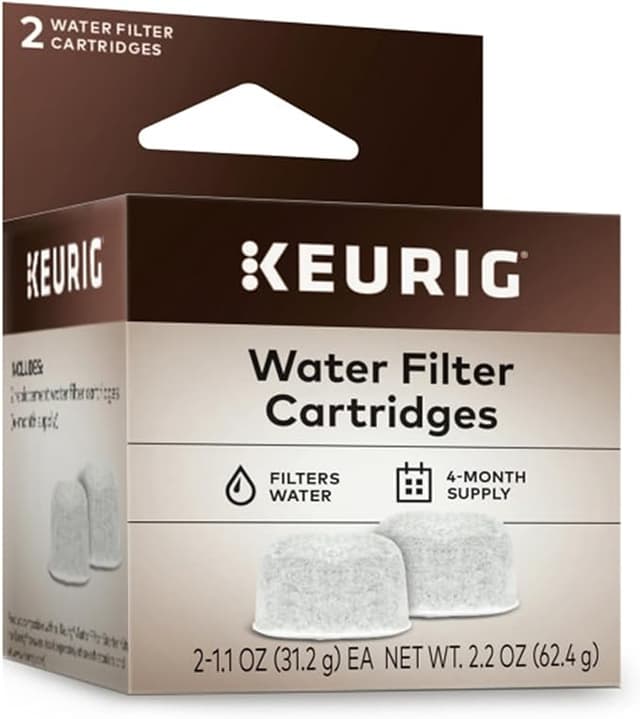
That's what the Keurig-branded charcoal pucks rang up at when I did the math on my last reorder: a 6-pack for around $16, and since you're told to swap them every two months, that's six cartridges a year. Call it $48 annually just to keep your water from tasting like the inside of a garden hose. Meanwhile the compatible pack I'd been eyeing — twelve cartridges, fits the same K-Classic holder — was sitting there at about $11. Under a dollar each. Same job. I stared at that gap a second too long and thought, okay, what's the catch.
So I bought the cheap ones. Ran them in my K-Classic for the better part of a year now. Here's the honest rundown, downsides and all — because that price spread only matters if the thing actually works.
The part nobody tells you: these filters are tiny, and the savings are real
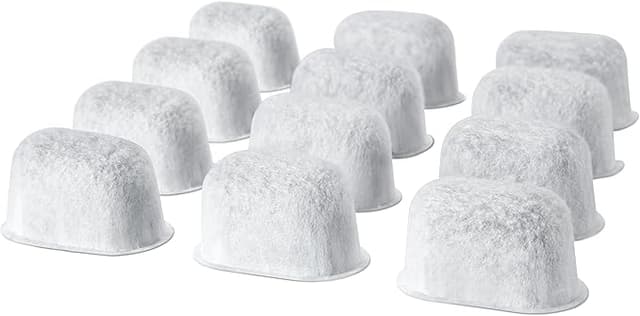
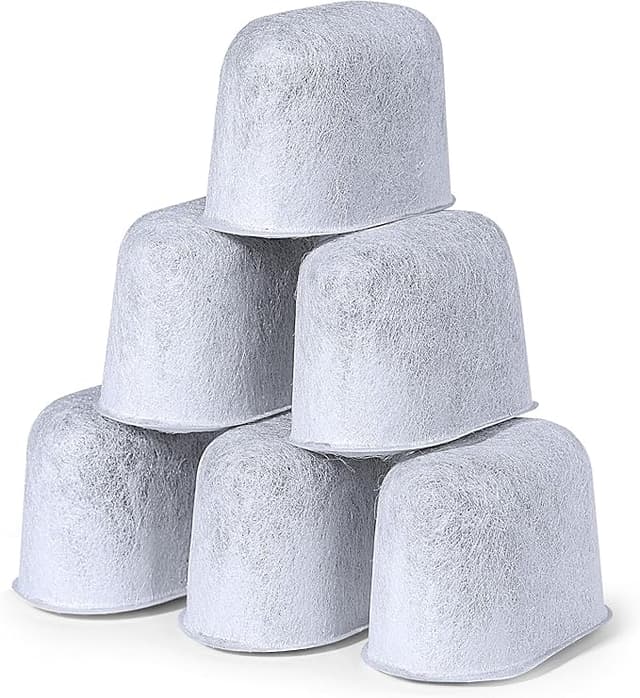
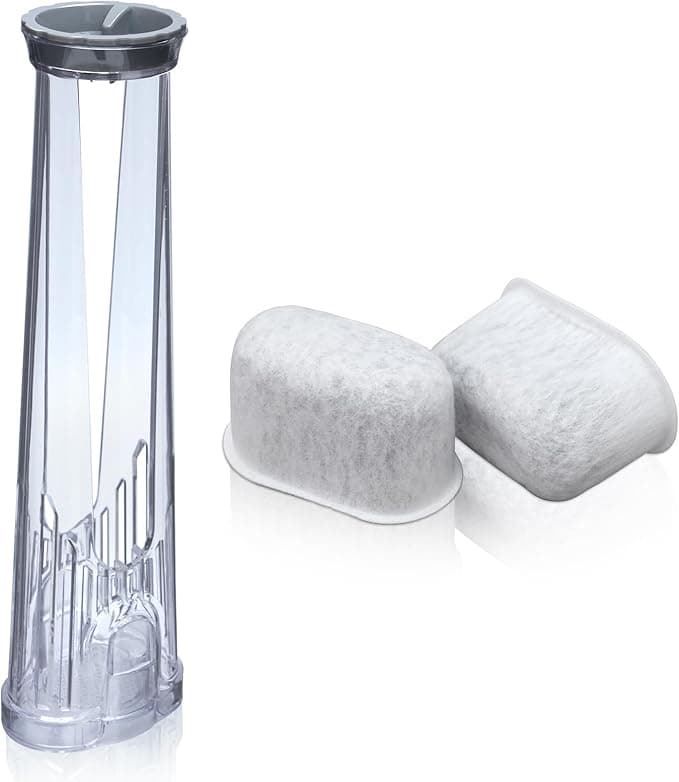
The K-Classic doesn't take some elaborate cartridge. It's a little plastic disc of activated charcoal that snaps into a two-piece holder clipped to the side of the water tank. That's it. There's nothing mechanically special about the OEM version that justifies paying roughly six times more per cartridge. Charcoal is charcoal. The compatible disc I'm running is the same diameter, snaps into the same holder, sits in the tank exactly where the Keurig one did.
Run the annual number again so it lands. OEM: about $48 a year. The compatible 12-pack at ~$11 lasts me two full years if I'm disciplined about the two-month swap. So I'm spending roughly $5.50 a year against $48. Over the life of the machine — and a K-Classic can easily run five or six years — that's the difference between a couple hundred bucks and a tank of gas.
Fit and install — does it actually seat right?
This is where I figured the cheap one would fall apart, and it mostly didn't. The routine's the same either way. You soak the new disc in a cup of water for about five minutes first — don't skip this, dry charcoal floats and sheds dust into your tank. Then you pop it into the lower half of the filter holder, twist the cap on, and clip the whole assembly back onto the post inside the reservoir.
The compatible disc seated cleanly. The click when the holder cap closes felt the same. Where it's a hair behind: the molding on the cheaper cartridge is slightly less crisp, and on one disc out of the dozen the edge had a tiny flash of extra plastic I had to thumb off before it would seat flush. Ten seconds of fuss. Not a dealbreaker — but I'd be lying if I said the OEM ones ever needed that. If you want it perfect out of the bag every single time, that's a small mark against these.
The honest performance take
My tap water is moderately hard and tastes faintly of chlorine straight from the faucet. The whole point of the charcoal disc is to knock that chlorine note down and slow the scale building up inside the machine. On the chlorine front, the compatible filter does the job. Coffee brewed through it tastes clean — no swimming-pool edge, no off flavor. I did a side-by-side for a week, OEM disc in one batch of water, compatible in the next. Honestly couldn't pick the winner blind. My wife couldn't either, and she's pickier about coffee than I am.
Where I'll give OEM a slight edge: longevity at the tail end. By week seven or eight the compatible disc seemed to fade a touch faster — the water started carrying the faintest chlorine hint again a few days before the two-month mark, where the Keurig one held cleaner right up to swap day. The fix is dead simple. I just swap a week early. At under a dollar a cartridge I do not care about burning one a little sooner. But if you stretch your filters to three or four months to save money, the cheaper disc shows its age before the pricey one does.
The downside I want you to actually hear
The first disc I ever installed had a faint plastic smell for the first two or three days. Not in the coffee — in the tank, when you lifted the lid. It's the new-cartridge break-in, and the soak step helps, but with these it was a touch more noticeable than I remember the OEM being. It cleared completely by day three and never touched the taste of a single cup. Still — if you're sensitive to that, run a tank or two of plain water through before you trust it with your morning brew. That's what I do now out of habit.
The other honest knock: the packaging is cheap. Cartridges show up in a thin plastic sleeve, no individual wrapping, no box worth keeping. Doesn't affect the filter one bit, but it doesn't feel premium when it lands on your porch. You're paying for charcoal, not presentation, and it shows. If unboxing matters to you, manage your expectations.
Why this even matters — and it's not just taste
Here's the thing people skip. The filter isn't only about flavor. A Keurig dies from scale long before it dies from anything else — mineral buildup chokes the pump and the heating element, and that's the number one reason these machines quit on you. The charcoal disc is your first line of defense, slowing what reaches the system between descalings. A saturated, neglected filter you left in for six months isn't filtering anything; it's just a soggy puck sitting in your tank doing nothing. So the real win of a cheap compatible filter is that it removes the excuse. At a dollar a cartridge, you actually swap on schedule instead of stretching a $6 OEM disc to guilt yourself out of "wasting" money.
So who should still buy OEM?
If you run a Keurig in a commercial setting, or you're the type who will absolutely forget and leave a filter in for four months, the OEM disc's slightly longer effective life might be worth the premium for the safety margin. And look — if buying the brand-exact part is what lets you sleep, that's a real reason and I won't argue it.
For everyone else — for me, in my kitchen, brewing two or three cups a day in a K-Classic that owes me nothing — I grab the compatible discs. Same fit, same clean-tasting water, a downside or two that amount to a smell that fades in three days and a swap I do a week early. For roughly $5 a year against $48, doing the identical job, I'd buy them again. And I have — twice now.