Troubleshooting & Analysis
I didn't believe a $20 filter could actually be fine — so I bought one to prove myself right
Here's the dumb thing I did. I'd been running my Keurig K-Classic for almost two years on the genuine Keurig charcoal cartridges, swapping them every couple months like a good little subscriber, and one day I'm standing in the kitchen looking at the price of a fresh OEM refill pack and I just got annoyed. Three or four bucks per cartridge, sure, but it adds up — and the compatible packs were sitting right there at maybe a third of the cost. My gut said: cheap filter, cheap result, busted machine. I was honestly half-hoping the off-brand one would fail so I could go back to feeling smart about paying more.
It didn't fail. That's the whole annoying story. Four months in on the compatible cartridges and the machine runs the same, the coffee tastes the same, and I'm out a lot less money. Let me walk you through it the way I'd tell a friend who texted me before checking out.
The actual money, not the vague "save big" stuff
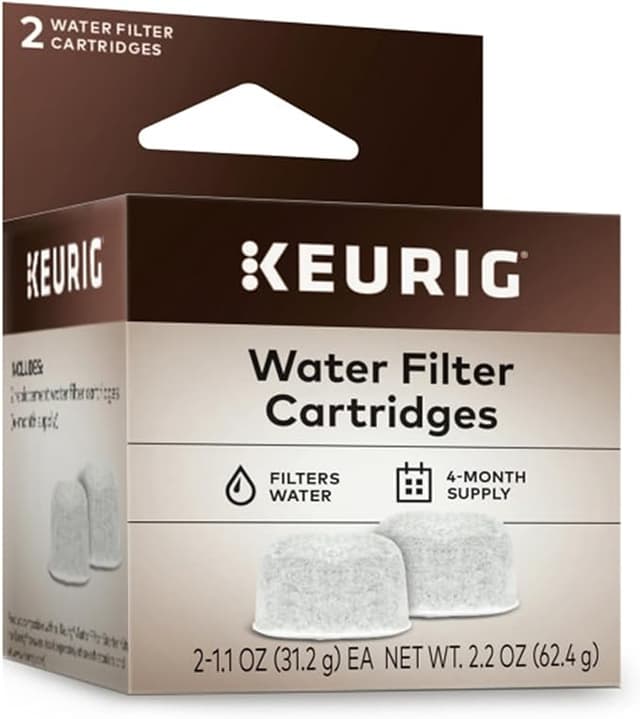
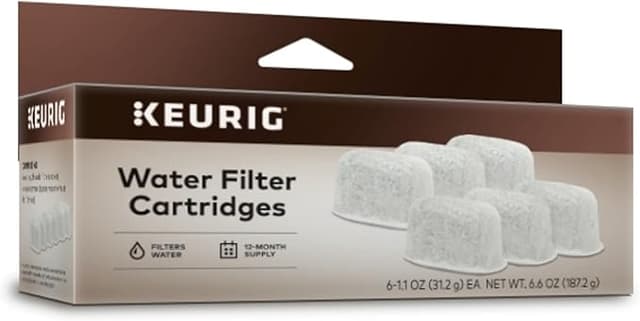
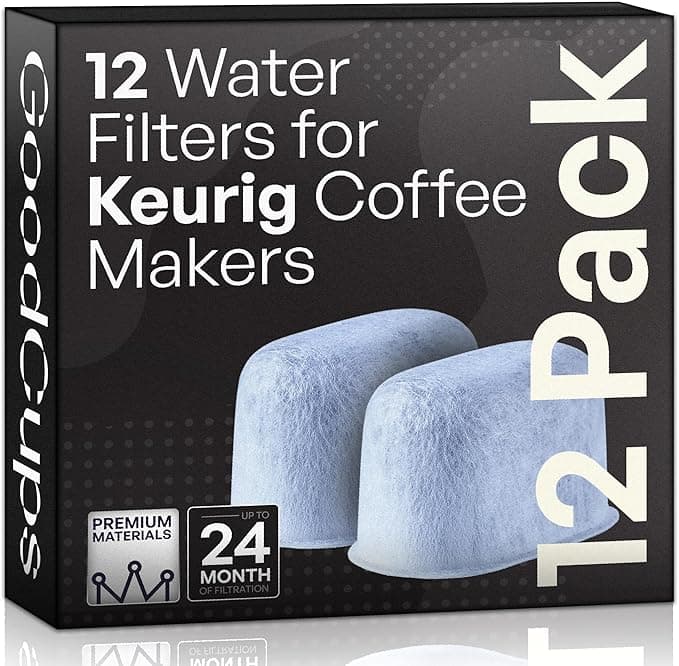
Keurig's own charcoal water filter refills, the little disc cartridges that drop into the holder in the tank, run around $15 for a six-pack when they're not on some weird markup — call it roughly $2.50 a cartridge if you buy genuine. The compatible six-packs I switched to were closer to $8 for the same six. So per cartridge it's a couple bucks versus under a buck and a half. Not life-changing on a single swap.
But you change these every two months. That's six cartridges a year, and if you're like me and forget and end up buying more, it's more. Over a couple years the gap between the OEM packs and the compatible ones is real folding money — I'd put my own saving somewhere north of $20 a year, and that's before you count the bigger thing these filters are actually protecting: the machine itself. A K-Classic isn't free to replace. The filter is the cheap insurance.
Does it fit, or do you fight it?
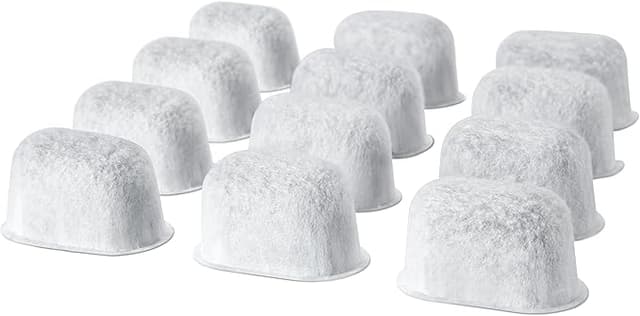
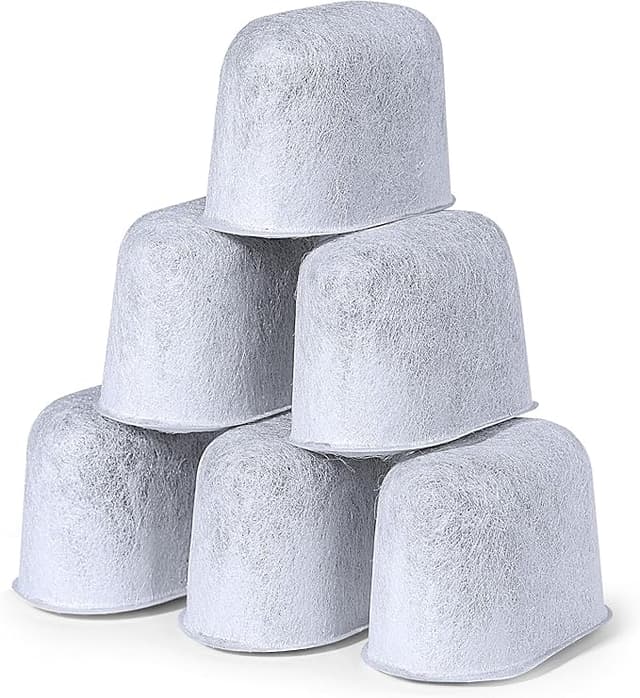
This was my first worry. Aftermarket stuff loves to be "compatible" until you're holding it and it's a millimeter off. The K-Classic filter system is two pieces — the cartridge and the holder that clips it into the bottom of the water tank — and the compatible cartridges I bought seated into the genuine holder with no drama. Same diameter disc, same little notch alignment, it clicked down and stayed.
The routine is exactly what you already do. Soak the new cartridge in water for about five minutes first — don't skip this, dry charcoal floats and traps air and you'll get a slow first few brews if you rush it. Then press it into the filter holder, drop the holder back into the tank so it sits flush at the bottom, fill, and run a water-only cycle or two before you brew real coffee. Two minutes of work. The compatible disc gave me zero extra fiddling versus the genuine one. No shaving, no forcing.
How it actually performs
The job of this little disc is simple and unglamorous: pull chlorine taste and the gritty impurities out of your tank water so your coffee isn't carrying tap-water funk, and so scale doesn't build up as fast inside the machine. Scale is the quiet killer here — mineral crust narrows the internal lines and the heater, and a scaled-up Keurig is the number one way these things die early. The filter slows that down.
On taste, I genuinely could not pick the compatible cartridge out of a lineup against the OEM one. My tap water has a faint chlorine edge straight from the faucet, and with the off-brand charcoal in the tank that edge was gone, same as it was with genuine. Coffee came out clean. I went looking for a difference and didn't find one in the cup.
The downside — because there is one, and I'm not going to pretend
Okay, real talk. The first cartridge I pulled from the compatible pack had a faint plastic-bag smell when I opened it, and the very first soak water looked a touch cloudy with loose carbon dust — more than I remember the genuine ones shedding. That's normal-ish for charcoal, but it meant I had to run the machine through two full water-only cycles before the brewed water tasted neutral, instead of the one cycle I'd gotten away with on OEM. So: a few extra minutes of rinsing on day one.
The packaging is also just cheaper. The genuine refills come sealed individually-ish in tidy plastic; my compatible six-pack came loose in one bag, cartridges knocking around together. None were damaged, but it doesn't feel premium, and if you're the kind of person who's reassured by nice packaging, you'll notice the difference the second you open the box. Cosmetic, but I said I'd be honest.
And one more: the fit, while solid, felt a hair less "machined" than OEM — the disc sat right but the tolerance felt a touch looser when I pressed it in, the kind of thing you only notice because you've handled both. It held fine over four months. But it's not identical, and I'd be lying if I said it was.
The thing nobody tells you: change it on time, off-brand or not
Here's the part that matters more than the brand. A saturated filter is worse than no filter — once the charcoal is spent and clogged, it stops pulling impurities and can start being a little reservoir for gunk in your tank. Two months is the interval for a reason. The cheaper cartridge actually makes this easier to stomach, because at under a buck and a half you're not tempted to stretch one to four months to "get your money's worth." Buy the cheap one, change it on schedule, and you're better off than someone babying an expensive cartridge past its life.
So who should buy what
If you're under warranty and genuinely paranoid about anything affecting a claim, or you just want the absolute matched-tolerance part and the few extra dollars don't register, buy the genuine Keurig refills. No shame in it. There's a tiny bit of extra polish and you won't think about it again.
But for me? I bought the compatible cartridges expecting to be proven right that cheap means bad, and I was proven wrong. Same clean coffee, same scale protection, a slightly cloudier first soak and a cheaper bag — and real money back in my pocket every year. I've reordered them twice now. That's the most honest endorsement I've got: I didn't trust it, I tested it, and I kept buying it.