Troubleshooting & Analysis
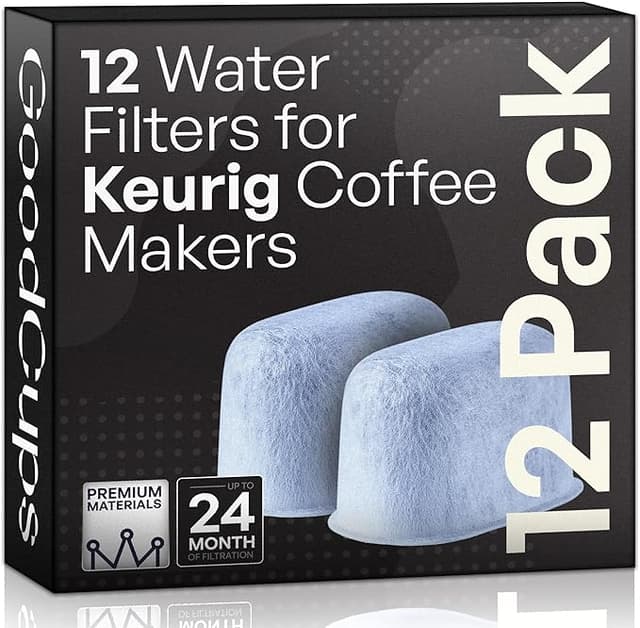
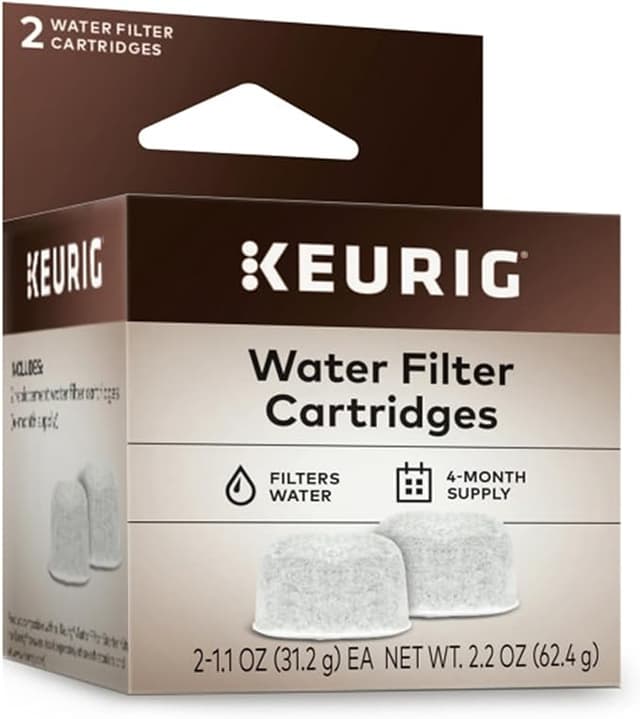
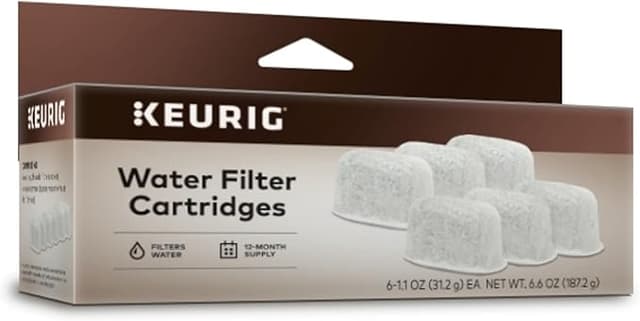
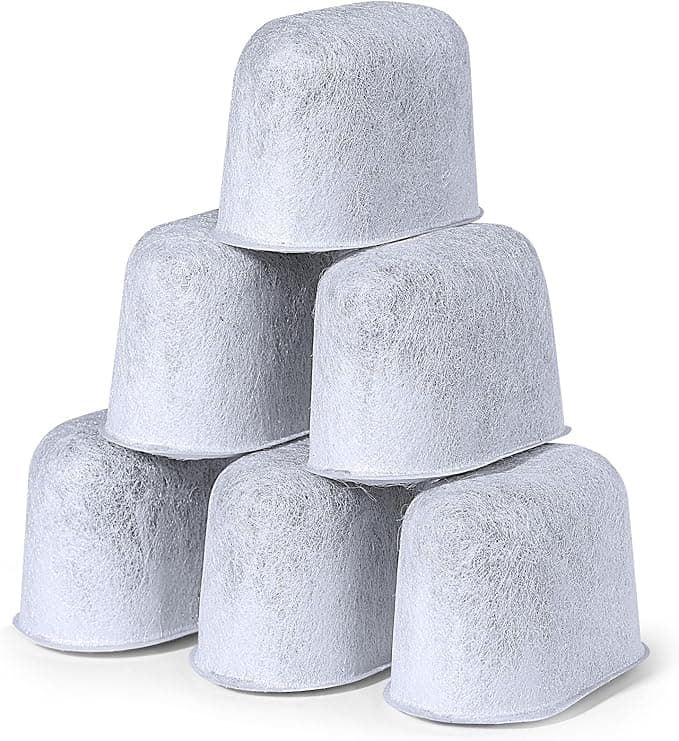
Six dollars a cartridge. That's what Keurig wanted for its own charcoal water filters the last time I stood in the coffee aisle doing mental math — a 6-pack for around $18, which works out to one little puck of charcoal every couple of months at roughly $3 a pop if you catch a sale, closer to $6 if you don't. The compatible 12-pack I ended up grabbing instead cost me about $11. That's twelve filters for less than what Keurig charges for six. I stood there genuinely annoyed, because I'd been paying the dumb tax for two years without thinking about it.
So I switched. My K-CLASSIC has been running compatible charcoal pucks for the better part of a year now, and here's the honest report — fit, taste, the part nobody mentions, and who I'd actually tell to stick with the name brand.
The math that made me switch
Keurig says swap the filter every two months. Follow that and you're buying six cartridges a year. At OEM pricing that's roughly $18 annually if you're lucky on the 6-pack, and people who buy the smaller refill packs pay more per filter than that. The compatible route: that $11 twelve-pack covers two full years. Call it five and a half bucks a year against eighteen.
It's not life-changing money. But it's the same job, the same little charcoal disc doing the same thing, and one of them costs three times more because it has a logo printed on the wrapper. Once you see that gap you can't unsee it.
Does it actually fit the K-CLASSIC holder?
This was my worry too. The Keurig filter sits inside that two-piece plastic holder that clips into the water tank — top cap, mesh basket, the puck in the middle. If a compatible filter is a millimeter off, it rattles or won't let the cap snap shut. I've had that happen with off-brand pods, so I expected fiddling.
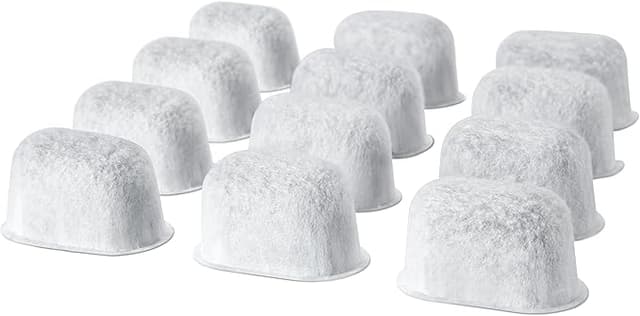
It seated fine. The disc dropped into the basket with maybe a hair more wiggle room than the genuine one — you can feel it's not machined quite as tight — but the cap clicked closed the way it's supposed to and the whole assembly pressed into the tank floor without fighting me. No floating, no gap. Honestly the install is the easy part: you soak the puck in a cup of water for five minutes first (this matters — dry charcoal traps air and floats), press it into the holder, drop the holder into the empty tank, then fill. Whole thing takes longer to read than to do.
One real note on fit: the first puck I tried from a no-name listing was visibly looser and the charcoal dust rinsed out gray for longer than I liked. The pack I settled on seated snugly. So fit can vary between sellers even when they all say "compatible" — buy the one with actual photos of the disc in a real holder, not just a render.
How the coffee actually tastes
My tap water is moderately hard — there's a faint mineral edge to it straight from the faucet, and over time my old machine would crust up with scale around the needle. The whole point of the charcoal filter is knocking down chlorine and the off-flavors before the water ever hits your grounds, and slowing the scale that, as the box loves to remind you, is the number one killer of these machines.
The compatible puck does this. Side by side, a cup brewed through the genuine Keurig filter and a cup brewed through the compatible one — I couldn't pick them apart. Both pulled the chlorine bite out, both gave me a cleaner, rounder cup than unfiltered. If there's a difference it's below what my mouth can detect at 6 a.m.
Where it's a touch behind: the charcoal load feels slightly less dense. I can't prove it with a lab, but by the eight-week mark the compatible puck seems a little more spent than the genuine one did at the same age — the water starts tasting a half-step flatter a few days sooner. My fix is just swapping a couple weeks early, which costs me nothing because, again, I have twelve of them sitting in a drawer.
The downside nobody puts on the listing
The first two or three days after install, there's a faint taste. Not bad exactly — a slightly papery, woody note, the charcoal and the new mesh breaking in. The genuine filter does a little of this too but it's milder. With the compatible puck I run two or three "clean" cycles of plain hot water through the machine before I trust it for actual coffee, and that knocks the break-in taste out. If you skip that step your first morning cup might taste a hint off and you'll blame the wrong thing.
The other honest knock is the packaging. The OEM cartridges come individually wrapped in a sturdy printed box. The compatible 12-pack showed up in a flimsy bag, pucks loose-ish inside, a little charcoal dust dusted on a couple of them. Cheap presentation. It rinses off and the filter works the same, but if you want the unboxing to feel premium, this isn't that. I genuinely don't care — it lives inside a water tank — but you should know what shows up.
And look, this is a part that touches your drinking water, so it's fair to be cautious. What reassured me: the charcoal is the same activated coconut-shell stuff the brand-name pucks use, the mesh is food-safe plastic, and after the rinse cycles the water runs clear with no taste or smell. A saturated, overdue filter is the actual safety problem here — it stops trapping anything and just sits there breeding gunk — and that's true of the $6 puck and the $1 puck equally. Changing it on schedule matters far more than whose name is on it.
Who should just buy the Keurig one
If you're the kind of person who'll forget to run the rinse cycles, or you've got water that's genuinely awful and you want every gram of charcoal you can get, the genuine cartridge gives you that little extra margin and the no-think convenience. Some people also just don't want to vet sellers, and that's reasonable — the OEM is a known quantity.
But for me? Same charcoal, same job, fits my K-CLASSIC holder, makes a cup I can't tell apart from the expensive one — for about a third of the price across a year. I rinse it for five minutes the first day, swap it a touch early, and move on. I bought the second 12-pack before the first ran out. That's the most honest endorsement I've got: I voted with my own eleven bucks, twice.