Troubleshooting & Analysis
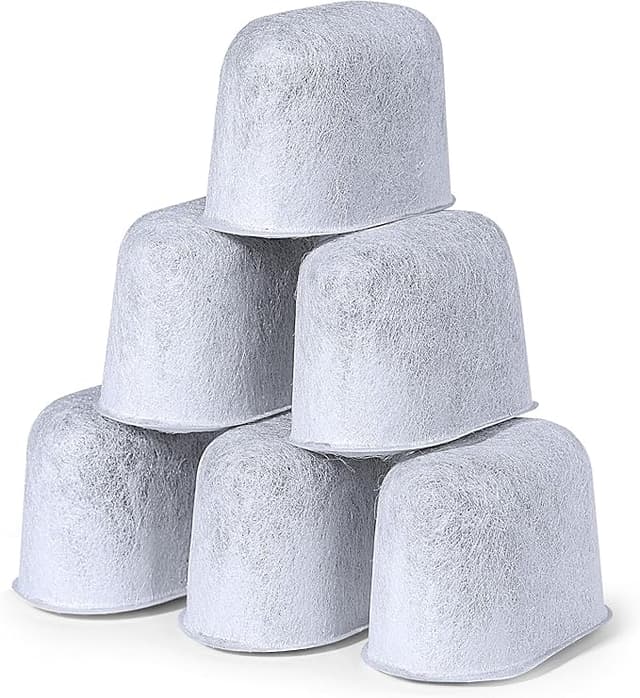
The coffee tasted like a swimming pool. That's the moment I knew. Tuesday morning, half-asleep, I take a sip from my K-Classic and it's got this flat, chlorine-y edge to it — the kind of thing you don't notice creeping in until one day it's just there. Turned out I'd been running the same little charcoal cartridge in the water reservoir for almost five months. Way past its sell-by. When I finally pulled it out, the thing was the color of a used cigarette filter and felt heavier than it should — saturated, basically a sponge that had quit. Gross. And I'd been drinking through it for weeks.
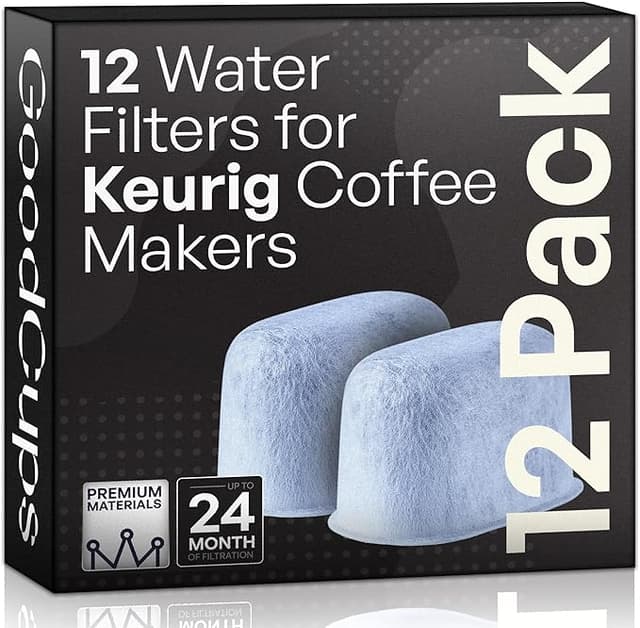
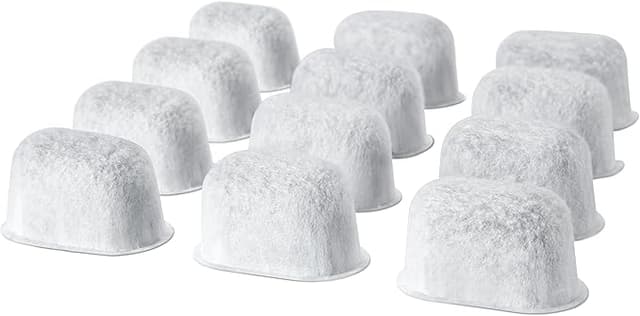
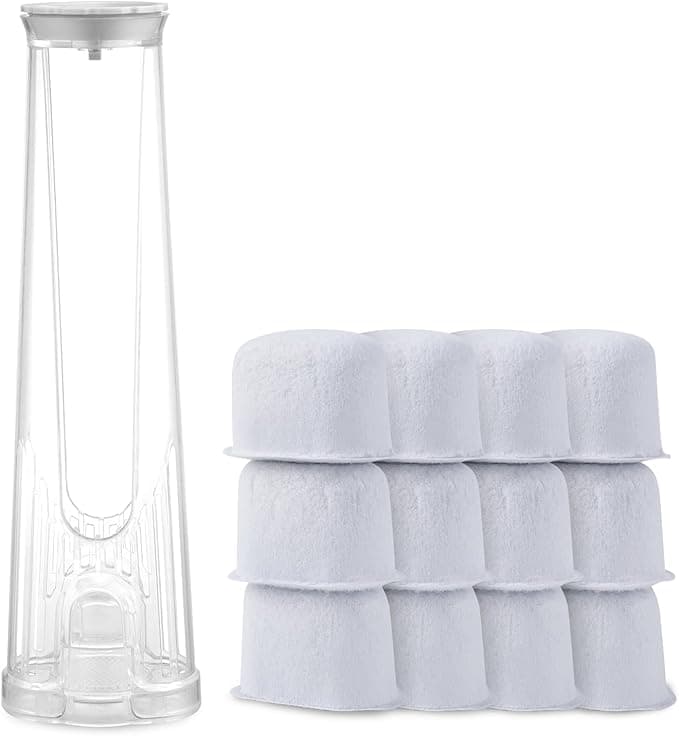
So this is the review I wish I'd read before I let mine go that long. I've since gone through a whole stack of these compatible charcoal filters — the third-party ones that drop into the K-Classic reservoir holder, not the Keurig-branded packs — and I've got opinions now.
The math that pushed me off OEM
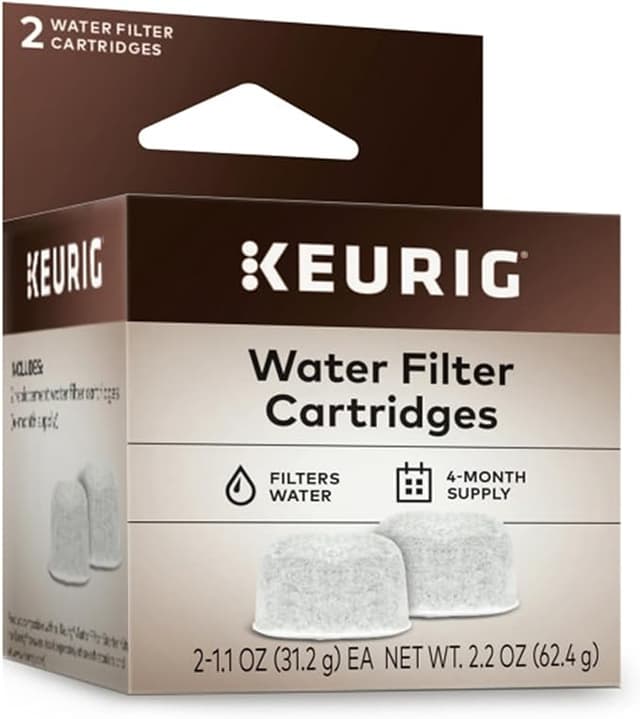
Here's what actually did it. Keurig's own branded charcoal refill packs run about $15 for a six-pack — call it $2.50 a cartridge, and you're meant to swap every two months. The compatible packs I've been buying come out to roughly $12 for a twelve-pack. That's a buck a filter. Run the year out: six OEM cartridges is around $15–18, the compatibles cover the same twelve months for about $6, and you've still got leftovers in the cabinet.
It's not life-changing money. Nobody's retiring on $10 a year. But it's the principle of it — I was paying a premium for a puck of activated charcoal in a plastic cage, and the cheaper one is the same puck of activated charcoal in a slightly cheaper plastic cage. Once you see it you can't unsee it.
Does it actually fit the holder?
This was my real worry. The K-Classic's filter assembly is fussy — there's the little basket, the lid that clicks over the cartridge, and the whole thing has to seat down onto that post in the reservoir or your water just routes around it and does nothing. A filter that's a millimeter off ruins the whole point.
The compatibles seated fine. Not perfect, and I want to be straight with you — the fit in the holder cap is a hair looser than the Keurig-branded ones. First time I snapped the lid shut it didn't give me that confident click I was used to; more of a soft press. I popped it back open to make sure it was sitting flat. It was. After three or four changes I stopped noticing. But if you're the type who needs that reassuring snap, know you might not always get it.
The prep's the same either way. Soak the cartridge in a cup of water for about five minutes first — this matters, don't skip it. A dry charcoal filter sheds black dust into your first reservoir and you'll get gray-tinted water. Soak it, light rinse, press it into the holder, snap the lid, drop the assembly onto the post in the tank. Two minutes, tops.
The honest performance take
For the job these actually do — pulling chlorine and that municipal-water funk out so your coffee tastes like coffee — the compatible charcoal performs right alongside the OEM. My Tuesday swimming-pool problem vanished the same day I dropped a fresh one in. Water out of the tank smelled clean. Coffee got its body back. I've done the side-by-side, same pod, old-OEM water versus fresh-compatible water, and the fresh compatible won every time — which tells you the brand on the package matters a lot less than how recently you changed the thing.
Where it's a touch behind: longevity, maybe. I get the sense the OEM charcoal holds its bite a week or two longer at the tail end. Hard to prove, I'm not running a lab — but by the eight-week mark the compatible feels a little more "done" than the Keurig one did. Since you're swapping at two months anyway, it's a non-issue in practice. Just don't push these to five months like I did. They'll quit on you sooner.
The downsides, for real
There's a faint plastic-and-charcoal smell off the cartridge for the first day or two out of the bag. Not in the water — the part itself, when you handle it. Airs out. The first brew after a fresh install can carry the tiniest whisper of that newness if you rushed the soak, which is exactly why the five-minute soak isn't optional.
The packaging is cheap, too. The OEM packs come in a tidy printed box; these showed up in a plain plastic sleeve, cartridges loose, and one of mine had a hairline crack in the outer cage. Still worked — the cage just holds the charcoal disc, it's not doing the filtering — but it looked janky and made me double-check the rest of the pack. Out of twelve, eleven were perfect and one was cosmetically rough. Good odds, not flawless.
And the holder-cap looseness I mentioned. On a couple of cartridges I had to seat the lid twice. Minor — but it's the kind of thing that'd nag a perfectionist every two months for a year.
Why you shouldn't just skip the filter entirely
Tempting thought — these are cheap, why not run no filter and pocket the dollar? Because the charcoal isn't only about taste. Your K-Classic builds scale from the minerals in your water, and scale buildup is the number-one way these machines die — clogged needle, weak pump, eventually a brewer that hisses and hands you half a cup. The filter doesn't descale on its own, but cleaner water in means a slower march toward that failure, and it keeps the funk out of your cup. Look — a saturated, neglected filter like the one I pulled is genuinely worse than none, because now it's a little reservoir of gunk sitting in your clean-water tank. Change it, or skip it. But don't let a dead one rot in there. That was my whole mistake.
The verdict
Buy OEM if you live and die by that confident lid-click, if cosmetic packaging matters to you, or if you genuinely stretch every cartridge to the last drop and want that extra week of life. Those are real reasons and I won't talk you out of them.
But me? I keep a twelve-pack of the compatibles in the cabinet, I set a phone reminder for every two months so I never repeat the swimming-pool morning, and I pay roughly a third of what the branded packs cost for water that tastes exactly as clean. Same charcoal, same job, less money — and I've bought them three times over now. That's not a pitch. That's just what's in my kitchen.