Troubleshooting & Analysis
The math that finally made me switch
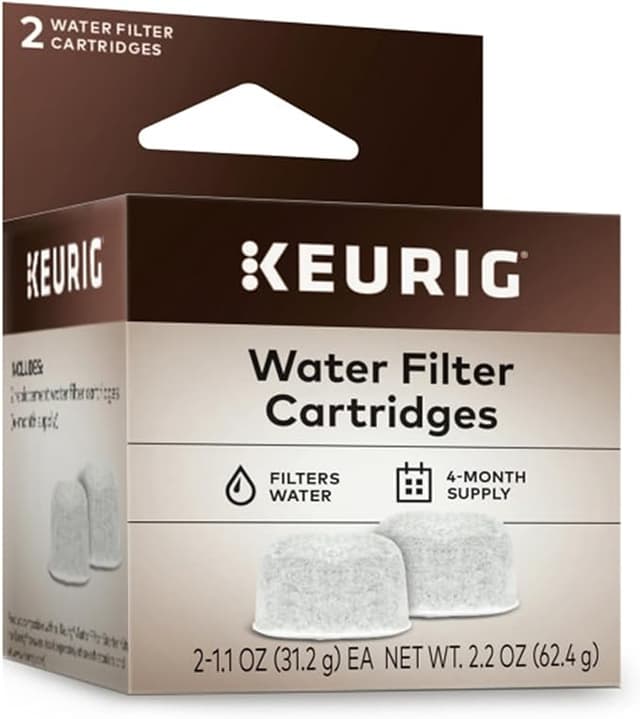
Twelve dollars. That's what a 6-pack of genuine Keurig charcoal water filter cartridges was ringing up at, every single time, which works out to about two bucks a cartridge for a thumb-sized puck of carbon and mesh. I'd been buying them on autopilot for my K-Classic for probably three years. Then one night I'm standing in the kitchen, replacement cartridge in hand, and I actually do the annual arithmetic: change it every two months like you're supposed to, that's six a year, call it $24 a year just to keep my coffee from tasting like the inside of a garden hose. For a $2 part. And I'd already paid for the machine.
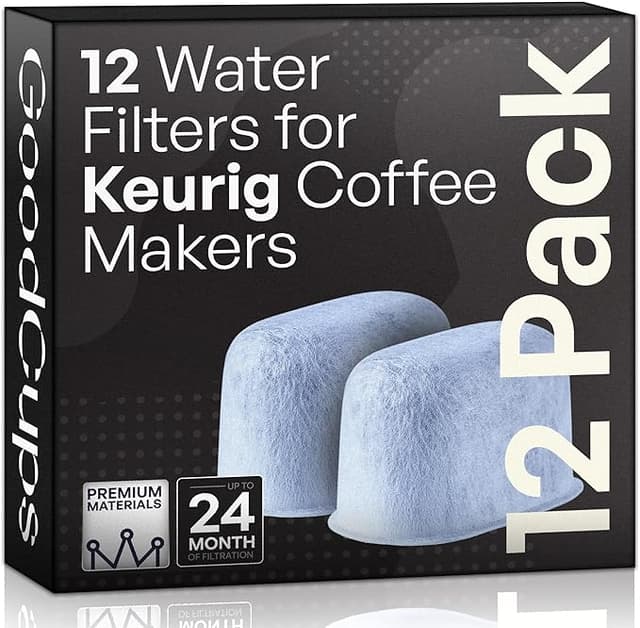
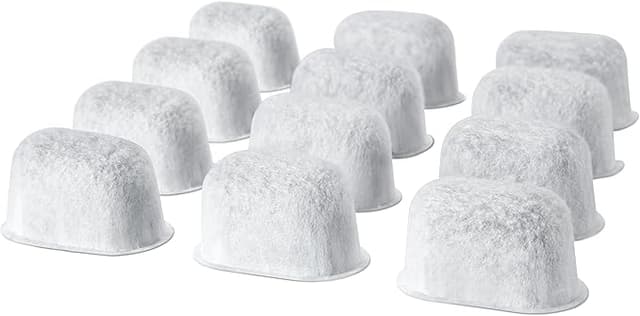
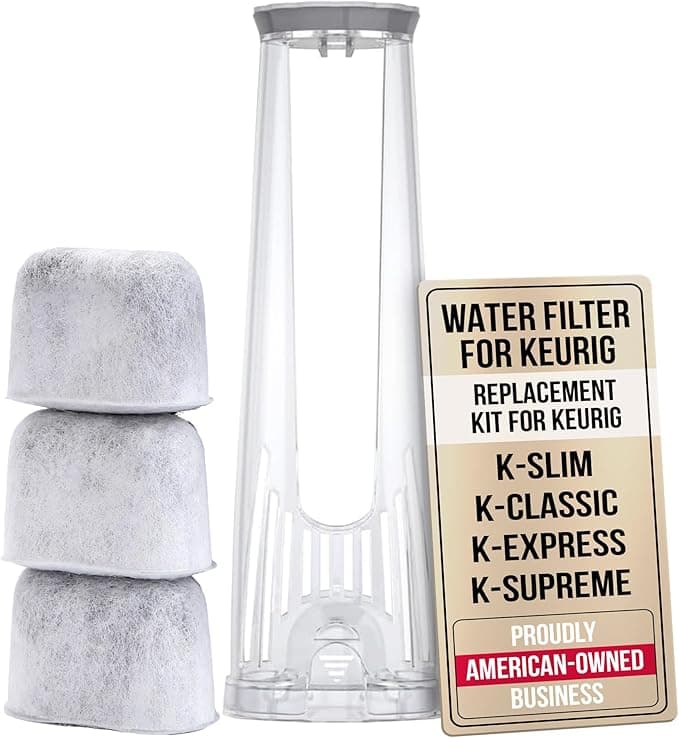
So I bought the compatible ones. A 12-pack of third-party charcoal cartridges landed for right around $10 — under a dollar each, less than half the per-cartridge cost of the Keurig-branded refills, and it lasts me two full years instead of one. I've now run them through my K-Classic for the better part of eight months. Here's the honest report, downsides and all.
Do they actually fit the K-Classic holder?
This was my first worry, because the K-Classic's filter holder is a fussy little two-piece thing — a basket that the cartridge drops into, then the whole assembly clips down into the post at the bottom of the water reservoir. If the aftermarket puck is even a millimeter off, it either won't seat or it rattles around and water just sails past it.
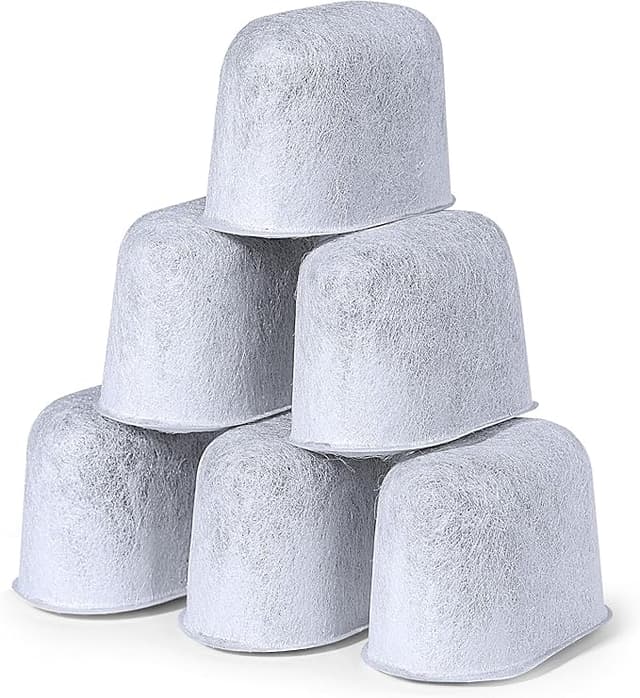
They fit. Not "technically fit with a shove" — they drop into the holder basket the same way the genuine ones do and the cap clicks shut without me wrestling it. I will say the molding on the compatible cartridges is a touch less crisp. The seam around the edge has a little flash on it, that thin ridge of extra plastic you get from a cheaper mold. On one cartridge out of the twelve I actually had to pinch a tiny burr off with my nail before it sat flush. Thirty seconds. But it's the kind of thing the Keurig-branded ones never made me do, and it's worth knowing.
The install itself is the same drill as OEM, and you do have to do it right or the carbon doesn't work. Soak the cartridge in a cup of water for a full five minutes first — I set a timer, because if you skip the soak the carbon doesn't fully wet out and you get channeling, where water finds the path of least resistance and skips most of the filter media. Then it goes into the holder, the holder clips down into the tank post, and you're done. I run one tank of plain water through afterward and dump it, just to flush any loose carbon dust. First brew after that tastes clean.
How the coffee actually tastes
This is the part that matters, and I went in skeptical. My tap water is moderately hard with a noticeable chlorine bite — without any filter, my coffee has this flat, slightly pool-water edge to it that I can't un-taste once I've noticed it.
The compatible charcoal cartridges knock that down just as well as the genuine ones did. Side by side, same beans, same brew setting, I genuinely could not pick the OEM cup from the aftermarket cup. The chlorine's gone, the coffee tastes rounder, and that's really the whole job — these are carbon taste-and-odor filters, not some elaborate multi-stage thing. There's not a lot of room for a "premium" version to pull ahead when the task is this simple.
Where I'll be fair to the genuine cartridge: I think the OEM carbon lasts a hair longer at full strength. Around the seven-week mark on the compatibles, I start to catch the faintest whiff of chlorine creeping back, a little earlier than I remember with the Keurig-branded ones. But the recommended swap interval is two months regardless, so by the time it's a real problem I'm changing the thing anyway. It's a non-issue in practice — it just tells me the carbon load is maybe slightly leaner.
The downsides, said plainly
I promised honest, so here's everything that's actually worse about the cheap ones.
- Packaging is bargain-bin. The genuine cartridges come individually wrapped in sealed pouches. My 12-pack showed up as a dozen pucks loose in one zip bag inside a plain box. They're fine — carbon doesn't really spoil — but it feels less clinical, and if you're squeamish about that, know it going in.
- Mold flash on the seams, like I mentioned. Minor, occasional, fixable with a fingernail, but real.
- Slightly shorter peak life. That faint early-chlorine thing around week seven.
- No brand hand-holding. There's no fancy reminder system or branded calendar sticker. You're on your own to remember the two-month swap. I write the install date on a piece of tape stuck to the side of the reservoir — old trick, works fine.
None of those touched the actual coffee or the machine. They're cosmetic and convenience gripes.
Why bothering with the filter at all is the real point
Here's the thing people skip: the water filter isn't really about taste insurance, it's about your machine surviving. Scale buildup — the chalky mineral crust that hard water leaves behind — is the number one killer of these brewers. It clogs the internal needle and the pump lines, the brew gets slow and weak, and eventually the thing just quits mid-cycle. A working charcoal filter cuts down what's feeding that buildup. A saturated, ignored filter does almost nothing, which is its own quiet problem — you think you're protected and you're not.
So whether you buy genuine or compatible, the one thing that's not optional is actually changing it on schedule. The cheaper the cartridges are, the easier that is to stick to. At a dollar each I never hesitate to swap one; at OEM prices I used to stretch them an extra month "to be economical," which is exactly the wrong move.
So who should buy which?
If you want the individually-sealed packaging, the slightly longer peak carbon life, and you genuinely don't mind paying roughly double per cartridge for those — buy the genuine Keurig refills. No shame in it. They're good.
But for everyone else: I've run the compatible charcoal cartridges in my K-Classic for eight months, the coffee tastes identical, the fit is right, and they cost me about $10 for a two-year supply instead of $24 a year. The only things I gave up were nicer packaging and a fingernail's worth of effort on one burr. Look — same job, half the price or better, and my coffee tastes clean every morning. I'd buy them again. I already did; there are ten more in the bag.