Troubleshooting & Analysis
The smell told me everything before the coffee did
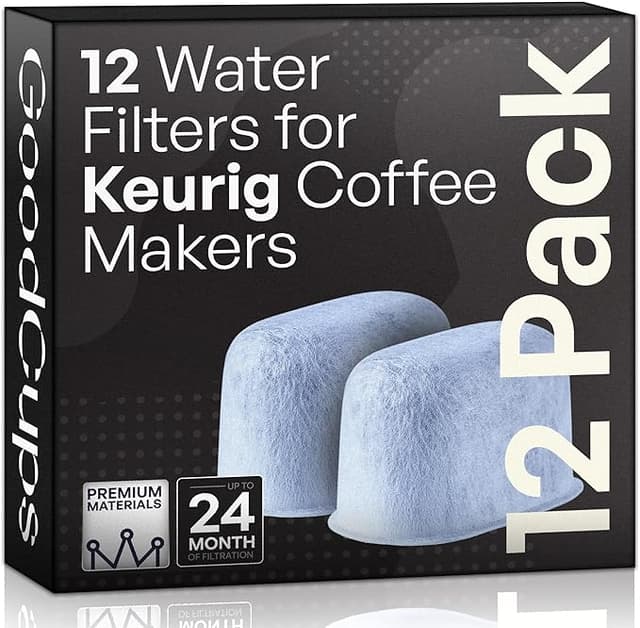
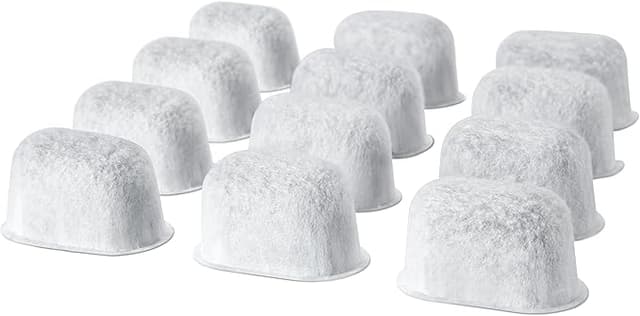
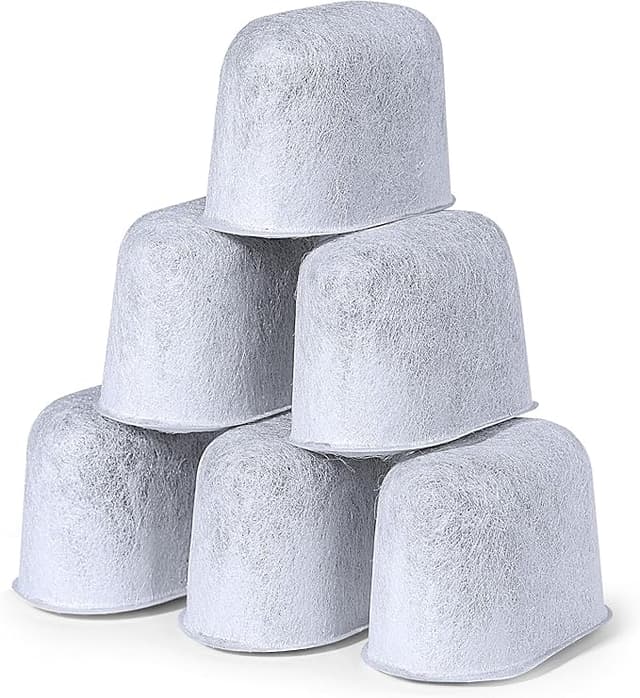
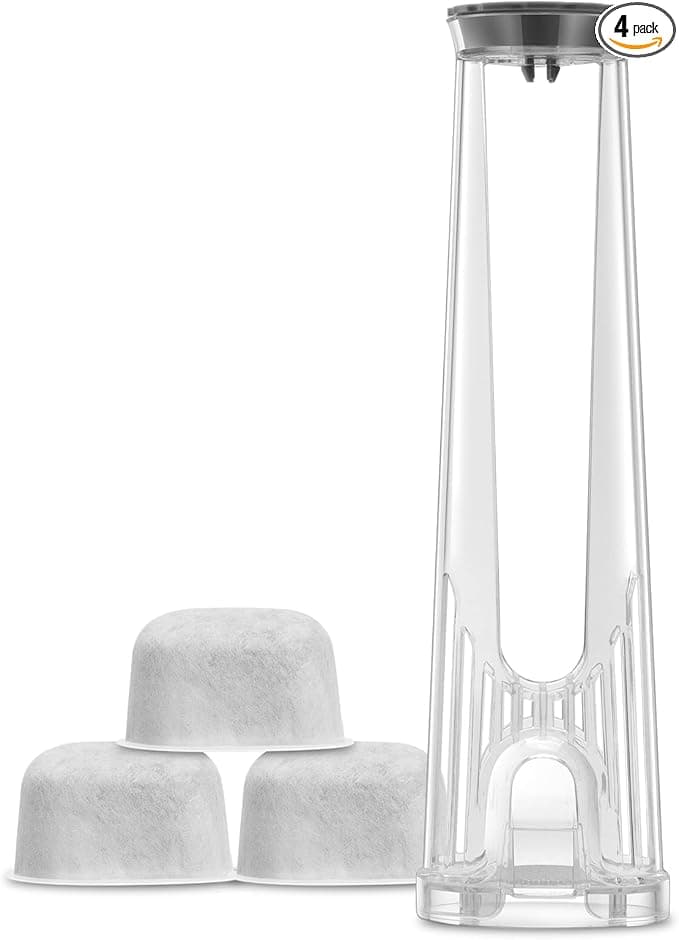
First thing I noticed wasn't the taste. It was the soak. You drop one of these charcoal pods into a cup of water and within about thirty seconds you get this faint, clean carbon smell — kind of like the inside of a brand-new Brita pitcher. That smell is how I knew the charcoal was actually charcoal and not some gray-painted foam. I sat there at my kitchen counter at 6 a.m., squinting at a little gray puck soaking in a coffee mug, thinking, "okay, this is either going to save me a small fortune or quietly murder my K-Classic."
Four months later the machine's still alive, and honestly so is my wallet. Let me walk you through it.
The math that made me try the cheap one
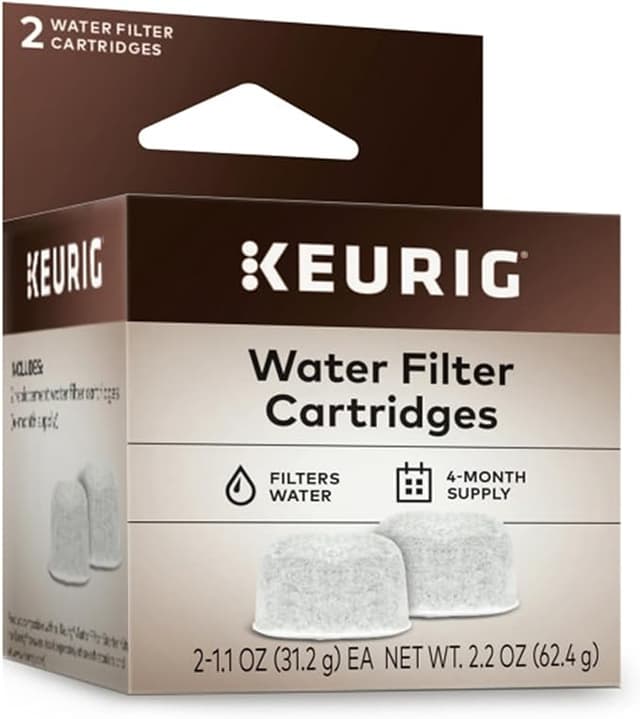
Here's the part nobody at the brand wants to spell out. The Keurig water filter is a consumable. Every two months it's supposed to come out and a fresh one goes in — six a year, more if you're brewing for a household that runs the thing hard. The official replacement packs are not free, and the cost stacks up fast over a year of changes. The compatible charcoal packs I switched to run a fraction of that per filter. When I actually did the annual tally — six changes a year, year after year — the gap was easily $20 to $30 a year sitting in my pocket instead of theirs, for a part that does the exact same job: dragging chlorine taste and gunk out of the water before it ever touches the coffee.
That number is small per filter. It's not small over the life of a machine you keep for five or six years. That's a tank of gas, a couple of bags of decent beans, whatever — it's real money for a part that gets thrown in the trash every eight weeks.
Does it actually seat right?
This was my real worry. A water filter that fits "almost" is worse than no filter, because you get water sneaking around the edges instead of through the carbon. So I paid attention.
The routine is dead simple and it's the same as OEM: soak the puck in water for five minutes — don't rush this, the carbon needs to wet all the way through or it'll float and channel — then press it into the filter holder, and drop the holder assembly down into the water tank. On my K-Classic it clicked into the holder with that same little resistance-then-seat feeling you get from the genuine part. Not loose. Not so tight I worried about cracking the housing. It sat flush against the tank wall the way it's supposed to.
One honest note on fit: the tolerances are a hair less precise than the original. On my first one, the puck wanted to ride up about a millimeter until I gave it a firm press to fully seat it. Once it's down, it stays down. But if you just drop it in and walk away without pressing, you might get a filter that's not making full contact. Press it. Takes two seconds.
How the coffee actually tastes
I'm on city water that has a noticeable chlorine bite if I drink it straight from the tap. With a fresh charcoal pod in the tank, that bite is gone from my morning cup. Black coffee tastes rounder, less like a swimming pool. That's the whole point of these things and the compatible one nails it — for the first six to seven weeks, I genuinely could not tell you a blind-taste difference between this and the name-brand filter.
Where it falls a touch behind: longevity at the tail end of the cycle. Around week seven or eight I felt the compatible pod start to fade a little sooner than I remember the OEM doing. The chlorine taste crept back maybe a few days earlier than the full two months. Not a dealbreaker — I just change it on schedule anyway — but if you're the type to stretch a filter to ten or twelve weeks "to save money," you'll notice this one tapping out closer to its actual rated interval. Which, fine, it's rated for two months. Use it for two months.
The downside I want you to hear
The packaging is cheap. Mine showed up in a thin plastic sleeve, a few pucks loose together, no individually sealed wrappers like the premium boxes. It feels less premium and it made me side-eye the whole thing at first. I'll be straight with you: it bugged me. But after using them, the filter media itself is the same activated charcoal doing the same job, and the bag it rode in doesn't end up in my coffee. I'd rather have plain packaging and keep the $20-plus a year than pay extra for a fancier box I'm going to recycle anyway.
The other small thing — that fresh-carbon smell I opened with. It's pleasant on the soak, but if you skip or shortcut the five-minute soak, your first brew or two can carry a very faint mineral-ish edge while the carbon finishes settling. Soak it the full five minutes, run one throwaway brew of just water through the machine, and you're clean. Took me one rushed morning to learn that.
Why bothering with any filter matters
Quick reality check, because this is the actual reason the part exists. Scale buildup is what kills these machines. Mineral crud from hard water collects in the lines and the heater, flow drops, the brew gets weaker and slower, and eventually the thing throws in the towel. A working charcoal filter cutting down on what reaches the internals — paired with descaling — is cheap insurance on a machine you paid real money for. A saturated, never-changed filter does nothing, which is why the eight-week swap matters more than which brand of pod you buy. The discipline of changing it beats the logo on it.
So who should buy what
If you're under warranty and the kind of person who wants zero variables if you ever call support — or you simply want the slightly nicer packaging and that last few days of filter life — grab the OEM. No shame in it.
But for me? I run a charcoal pod in my K-Classic, I change it every two months like clockwork, the coffee tastes clean, the machine's still humming after four months on these, and I'm keeping twenty-some bucks a year that used to go to a logo. I'd buy the compatible one again — and I already have, twice now. Just soak it the full five minutes and press it down till it seats. That's the whole secret.