Troubleshooting & Analysis
I didn't believe a $20 filter could be fine either
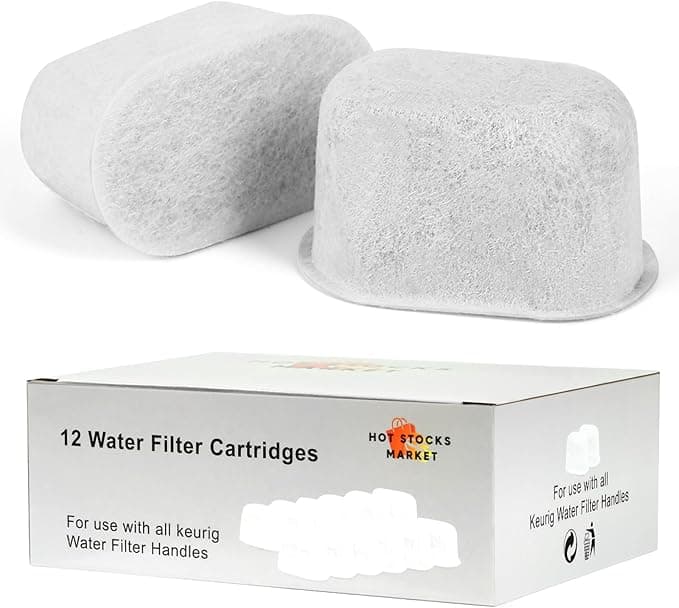
Here's the thing — I'd bought the genuine Keurig water filter cartridges for years without thinking about it. You buy the machine, you buy the little charcoal pucks that go in the reservoir holder, you don't ask questions. Then one day I'm standing in the kitchen with an empty cartridge holder, a guest coming over in an hour, and the only thing the local store had was a generic six-pack of compatible charcoal filters sitting next to the brand-name two-pack. The compatible pack was less than the brand name pack that held a third as many. And my gut reaction was exactly what yours probably is right now: cheap charcoal, cheap plastic, probably does nothing, probably tastes like a swimming pool.
I bought it anyway because I had no choice. I've now run compatible charcoal cartridges in my Keurig for going on two years. So let me actually tell you what happened instead of selling you something.
The money, plainly
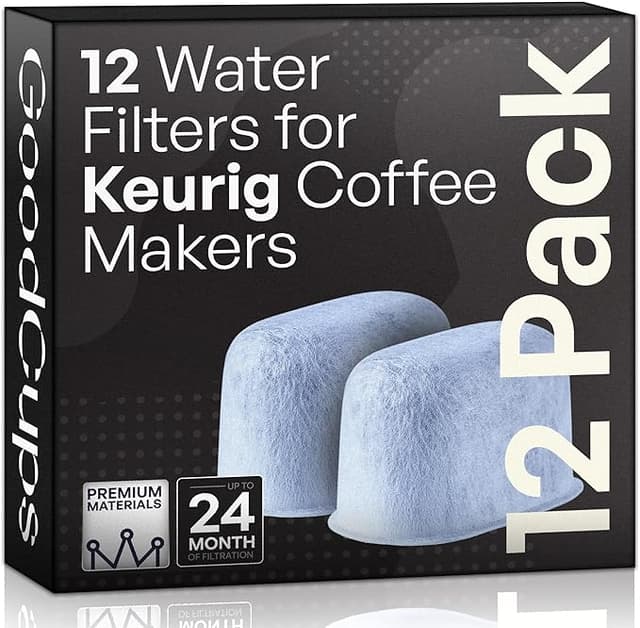
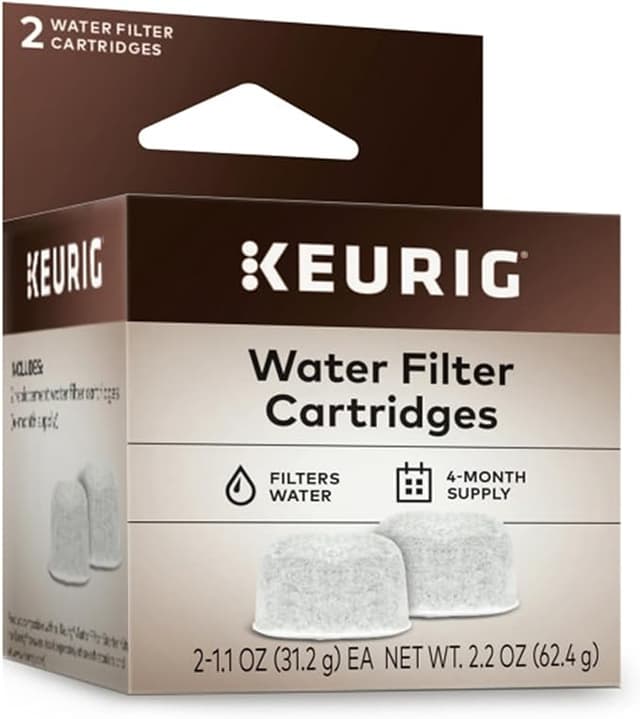
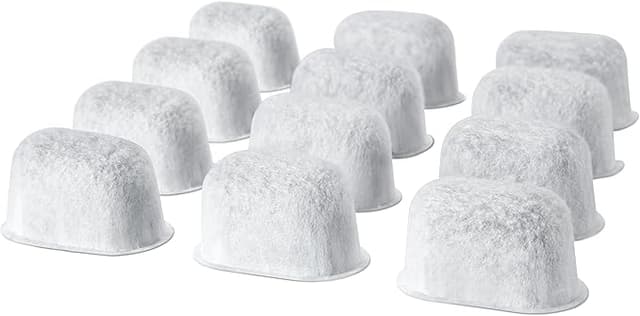
A genuine Keurig water filter starter kit (holder plus a couple of cartridges) runs you around $18-20, and refill packs of replacement cartridges land in the same neighborhood for roughly six of them. The compatible packs I keep buying give you six cartridges for about $10-12 — sometimes a twelve-pack for around $14 if you catch it right.
The math that actually matters is the yearly one. Keurig says swap the cartridge every two months. That's six cartridges a year if you're disciplined (more on that — I am not disciplined). On the genuine refills you're spending close to $20 a year just on charcoal pucks. On the compatibles I've been spending maybe $10-12 for the same year, and a single twelve-pack has lasted me well past a year. Call it a $10 annual gap. Not life-changing money. But it's $10 to filter water with a piece of carbon, and that's where my skepticism flipped into mild annoyance at having paid brand prices for so long.
Does it actually fit and seat right?
This was my first real worry. The Keurig filter holder is a specific little two-piece cage — a top mesh, a bottom mesh, and the charcoal cartridge clicks between them. If a compatible cartridge is even slightly off-diameter, it either won't snap in or it rattles.
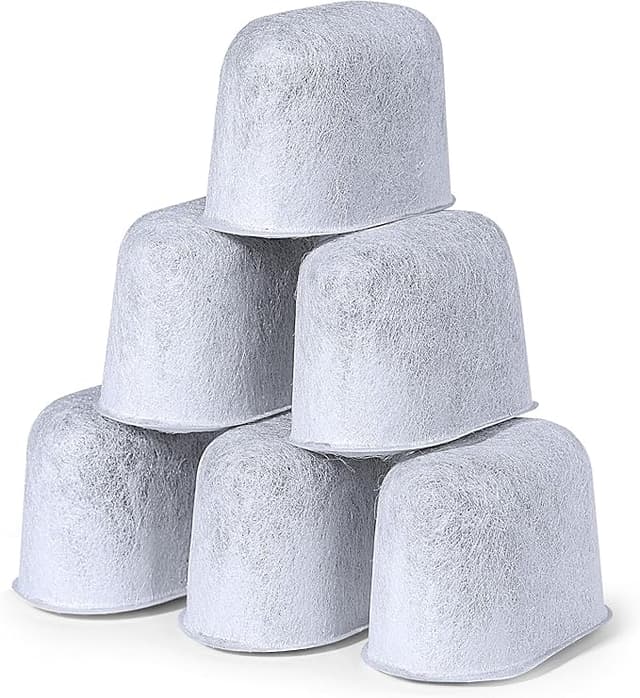
The compatibles I've used drop straight into the stock holder. You soak the cartridge in a glass of water for about five minutes first (this isn't optional — dry charcoal floats and sheds dust), slide it into the holder, and the two halves click shut over it. That click is the tell. On the good compatibles you get the same firm snap as the original. I've had one cheaper off-brand where the fit was a hair loose and the top cap took an extra push to seat — it still worked, but I noticed. Then you set the loaded holder down into the water reservoir, push it onto the post at the bottom, and you're done. Same motion as the genuine one. No adapter, no trimming, no fuss.
The honest performance read
What a charcoal cartridge does in a Keurig is simple and limited: it knocks down chlorine taste and grabs some sediment before water hits the heater. It is not a scale-stopping miracle and the genuine ones aren't either — anyone telling you a $2 carbon puck softens hard water is lying to you.
On the part it's actually for — taste — the compatibles do the job. My tap water has a noticeable chlorine bite, and coffee brewed straight from unfiltered tap tastes flat and faintly pool-like. With a fresh compatible cartridge in, that's gone. The first cup after a swap tastes clean. Side by side against a fresh genuine cartridge, blind, I genuinely could not tell you which cup came from which. I tried. My wife tried. Coin flip.
Where it sits a touch behind: longevity, maybe. I have a hunch — and it's only a hunch, I haven't lab-tested carbon mass — that the cheaper cartridges exhaust a little sooner than the brand ones. By the tail end of a two-month run on a compatible, I sometimes catch a faint return of that chlorine note a week or so before I'd expect to. So I swap a little early. Given the price, swapping early is free.
The real downsides — and there are a couple
First: the first-day taste. New compatible cartridge, first brew or two, there's a faint flat "new" taste — that fresh-carbon thing. The five-minute soak cuts most of it, but if you're sensitive, run a single water-only cycle through the machine before your first real cup and dump it. After that it's clean. The genuine ones do this too, honestly, just a touch less.
Second: the packaging and consistency. The compatibles show up in a thin plastic bag, no fancy box, and once in a while one cartridge in a pack looks slightly less tightly packed than its neighbors. I've never had one fail outright, but the quality control is visibly looser than the brand product. You're paying brand prices partly for that uniformity, and you're giving a little of it up.
Third, the one nobody mentions: charcoal dust. If you skip the soak and shove a dry cartridge straight in, you'll get a little black grit in your first reservoir fill. Soak it. Five minutes. This is true of the genuine cartridge too, but the compatibles seem a hair dustier out of the bag.
Why a dead cartridge is worth caring about
Not for drama — for your machine and your cup. A cartridge that's been sitting saturated and forgotten for six months stops grabbing chlorine and can start being a damp little home for the stuff you didn't want in there. That's the actual reason to change it on schedule, compatible or genuine. And while no carbon puck stops scale, keeping clean filtered water moving through means one less variable when you're chasing down why your coffee tastes off. The filter is the cheap, easy thing to rule out first. At $10-12 for a year of them, ruling it out is basically free.
The verdict
Who should buy the genuine Keurig cartridges? If you run a machine in a commercial setting where consistency is a liability question, or you just want zero variance and the $10 a year is noise to you — buy the brand. No argument from me.
For everyone else, including me: I went in fully expecting the cheap charcoal to be junk, and after two years of actually drinking the coffee, it does the one job a Keurig water filter has — clean-tasting water into the brew. It fits the stock holder, it clicks the same, and the only real costs are a slightly dustier first day and looser packaging. For roughly half the price, doing the same job, I keep buying the compatibles. I just bought another twelve-pack last month. That's the most honest endorsement I've got.