Troubleshooting & Analysis
The first thing I noticed was the smell — or rather, that there wasn't one
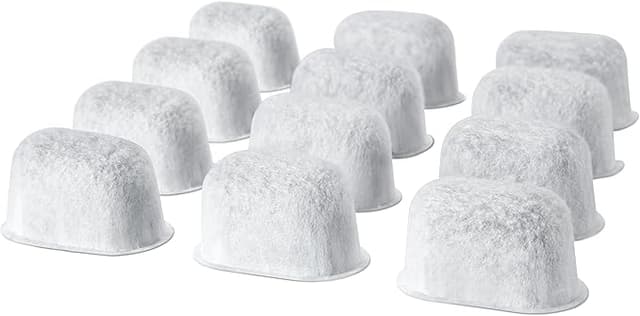
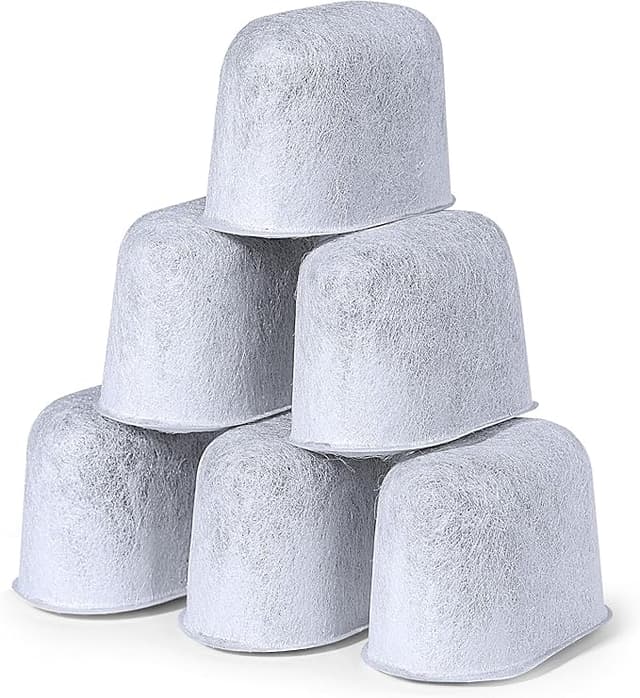
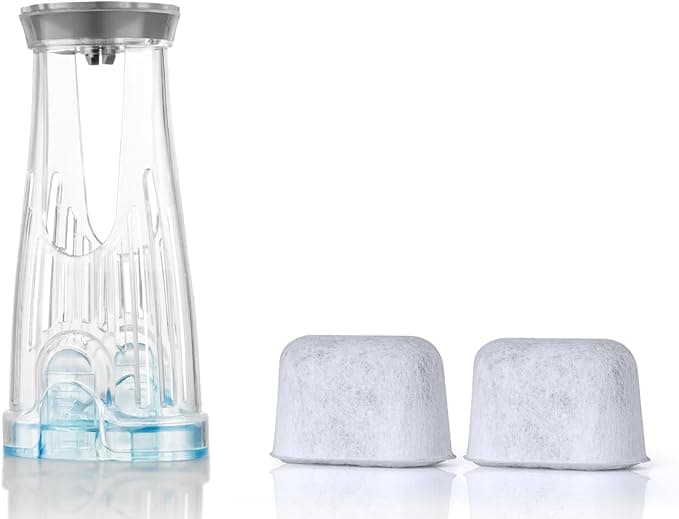
I pulled the new charcoal cartridge out of the bag, ran it under the tap like the instructions said, and held it up to my nose half-expecting that wet-cardboard, vaguely chemical funk you get from cheap filters. Nothing. Just damp carbon. Then I dropped it into the little mesh holder in my Keurig's water tank and felt that small, satisfying snap as the bottom disc clicked onto the post — same click the OEM one makes. That click matters more than it sounds, because a filter that doesn't seat right rattles around and basically does nothing.
I'd been buying the official Keurig water filter refills for years without thinking about it. Then one day I actually did the math at the store and felt a little dumb.
The price gap is real, and it adds up faster than you'd think
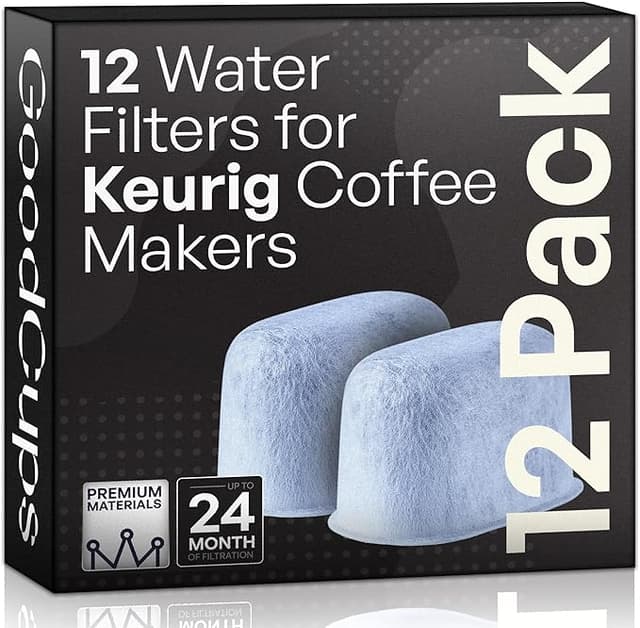
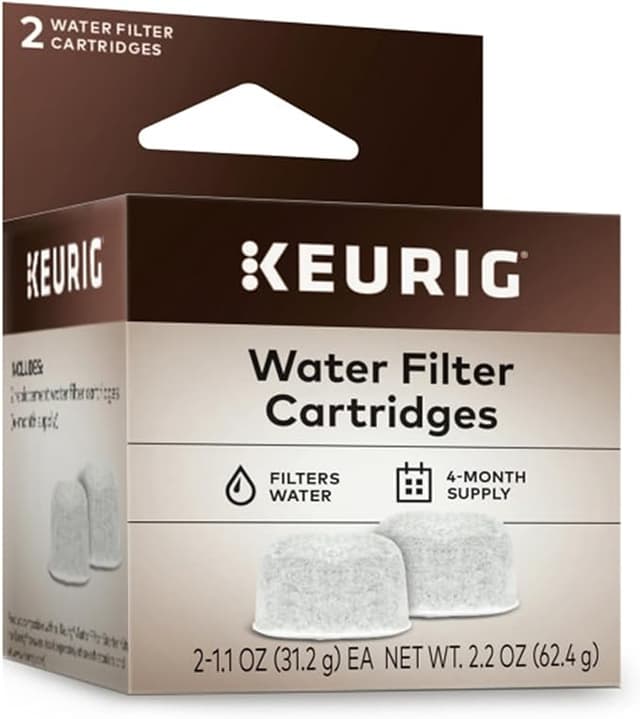
An OEM Keurig water filter refill pack runs me about $24 for the dozen. The compatible charcoal cartridges I switched to were closer to $13 for the same count — and honestly you can find them cheaper in bulk. Call it eleven bucks a pack. Doesn't sound like a heist until you remember you're supposed to swap these every two months.
Six cartridges a year. On OEM that's roughly twelve dollars annually if you're disciplined (and most people aren't — they buy more often because they forget which one's in there). On the compatible ones it's six, seven dollars. We're not talking life-changing money. But here's the thing about Keurig: the machine itself is cheap-ish and the consumables are where they get you, drip by drip, year after year. Pods, descaler, filters. Shaving the filter cost in half is the easiest one to win without changing your coffee at all.
Fit and install — does it actually go in right?
This is where I was nervous, because a water filter that's a millimeter too fat won't sit in the holder and a millimeter too thin will float and let water bypass it. The routine is dead simple and the compatible cartridge followed it exactly: soak it in a cup of water for about five minutes first (this wakes up the carbon and flushes loose dust — don't skip it, the first brew tastes faintly of nothing-much if you do), then push it down into the filter holder until that disc clicks, then drop the whole assembly into the reservoir.
On my machine it slid in with zero fuss. The mesh basket gripped it the same as the original. I did notice the plastic of the holder clip felt a touch lighter than the OEM piece — not flimsy, just less dense, the kind of thing you only catch because you've handled both. It held fine. Two months later it came out without cracking or warping, which is the actual test.
One real install note: if you wedge it in dry without soaking, the carbon hasn't expanded yet and you can get a hair of play in the holder. Soak it. Five minutes. The directions aren't padding.
How it actually performs in the cup
The whole point of this cartridge is taste and scale, not filtration drama. I'm on city water that's middling-hard, and the difference between filtered and unfiltered out of my Keurig is genuinely noticeable — that flat, slightly chlorine-y edge gets sanded off and the coffee tastes rounder, less like it was made with pool water.
The compatible charcoal cartridge did that just as well as the OEM one did. Side by side over a couple weeks I could not tell you which cup came from which filter, and I was trying. Same smoothing of the chlorine bite, same clean finish.
Where's it a touch behind? If I'm being honest — and the only reason these reviews are worth anything is honesty — the compatible carbon seems to lose a little steam toward the very end of the two-month window. Around week seven I started catching a faint return of that tap-water edge, a week or so earlier than I remember the OEM fading. Not a dealbreaker. It just means you actually do want to hold to the every-two-months swap and not stretch it to three because it's cheap. Which, ironically, the lower price makes easy.
The downsides, said plainly
So you don't think I'm selling: the packaging is bare-bones. The OEM ones come in that tidy printed box; these showed up in a plastic sleeve that looked like it cost a nickel. Doesn't affect the carbon inside, but it doesn't inspire confidence at first glance, and I get why people hesitate.
Second, quality control across the pack isn't flawless. Out of my dozen, one cartridge had a slightly looser bottom disc — it still clicked in, but I could feel it was a softer click than its siblings. I used it anyway and it worked, but with OEM I never even think about that. With these, give each one a quick press-check before it goes in the tank. Ten seconds.
Third, the carbon dust on first rinse is a little more than I'm used to. The soak water came out faintly gray the first time. Totally normal for charcoal, rinses clean, but if you skip the soak you'll taste it.
Why a dead filter is worth caring about
Here's the part that actually convinced me to stay on a schedule regardless of which brand I buy. A saturated, neglected filter doesn't just make coffee taste worse — it stops holding back the minerals, and scale buildup is the number one thing that kills a Keurig. Once that gunk coats the internal heater and lines, you're descaling constantly or shopping for a new machine. A working charcoal filter is cheap insurance on a machine that costs ten times what the filter does. That logic doesn't change whether the cartridge cost you two dollars or four.
The verdict — who should buy what
If you're someone who genuinely cannot tolerate any variance — you want every cartridge identical, boxed, and you'll pay for that certainty — buy OEM and don't think twice. There's no shame in it and the consistency is real.
But for the rest of us? I've run these compatible charcoal cartridges through my Keurig for the better part of a year now. They seat right, they click, they smooth the water exactly like the official ones, and they cost roughly half. The packaging's ugly and you should press-check each one — that's the whole list of complaints. For around eleven dollars less a pack, doing the identical job, I grab the compatible ones. And I've reordered them twice, which is the only endorsement that actually means anything.