Troubleshooting & Analysis
The day my Keurig started tasting like a swimming pool
I ignored the filter in my Keurig for almost five months. Not on purpose — I just forgot it was in there. Then one Tuesday morning the coffee came out tasting faintly of chlorine and something older, like the inside of a garden hose. I pulled the water reservoir, popped open the little charcoal cartridge holder, and the filter inside had gone from white to a grayish-brown sludge color. There was a thin film on the mesh. Honestly, it smelled. That was the morning I learned that a clogged water filter doesn't just stop helping — it actively starts hurting the cup.
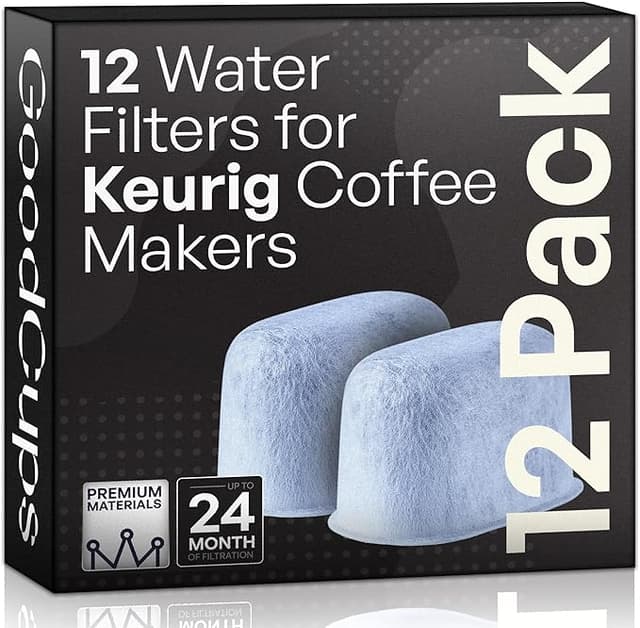
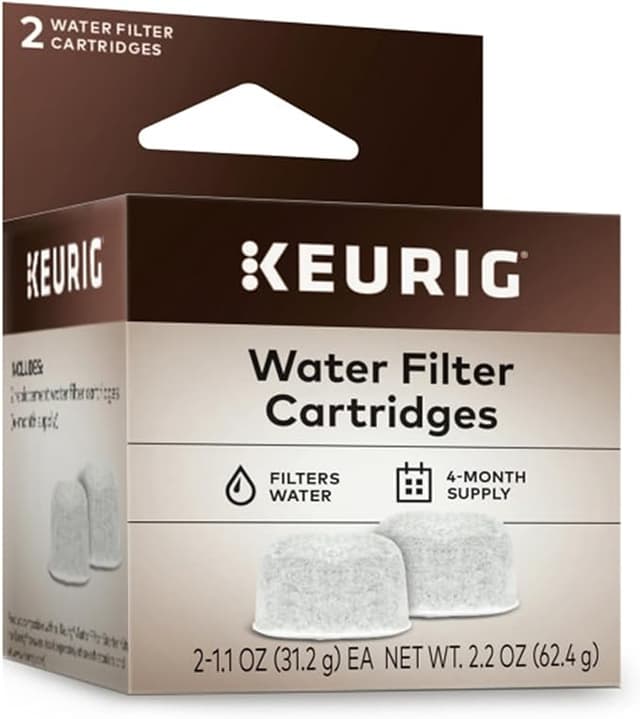
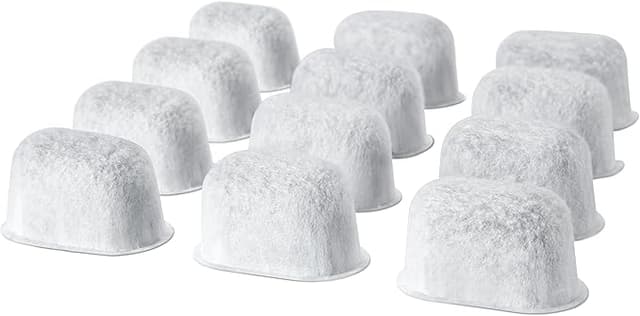
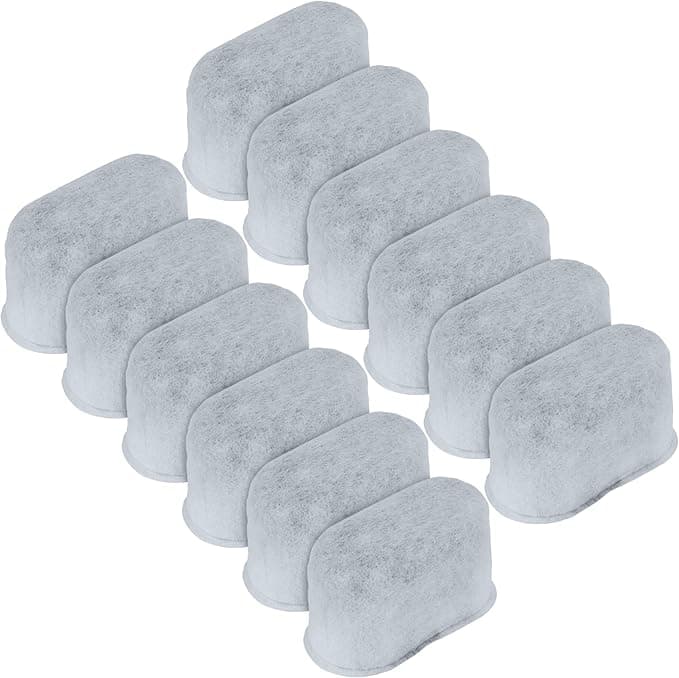
So I went looking for a replacement, and that's where the whole OEM-versus-compatible argument started for me. Keurig sells their own charcoal filter cartridges, and a six-pack runs me around $16 at full price — call it $2.65 per cartridge. You swap them every two months, so that's six a year, roughly $32 annually just to keep clean water moving through a machine I already paid for. The compatible charcoal pack I ended up buying was about $11 for twelve cartridges. That's under a dollar each, and it drops my yearly filter cost to somewhere near $11. Same job. A third of the price.
I was skeptical, for the record. I didn't trust it either.
Do they actually fit the holder?
This was my first worry, because the Keurig filter cartridge isn't just a pad — it's a small cylinder that snaps into a two-part plastic holder that clips onto the bottom of the water reservoir. If the compatible one is even a millimeter too fat or too short, it won't seat and water just routes around it.
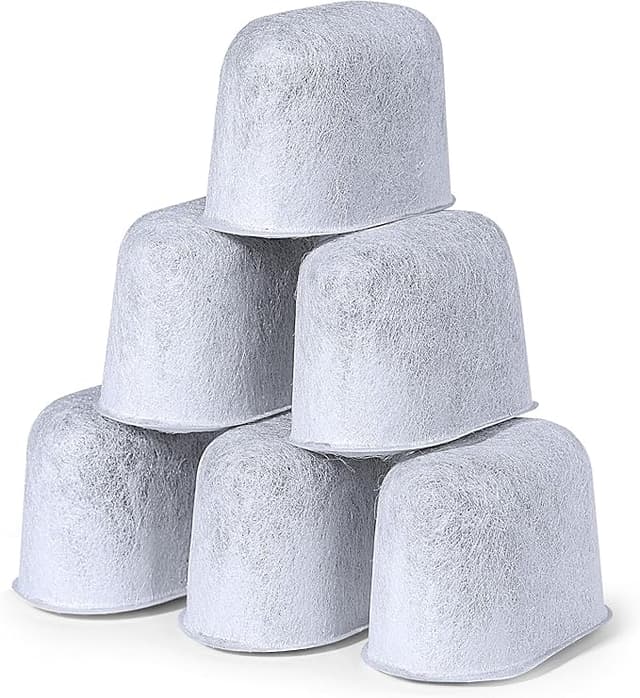
The compatible cartridges seated fine. I'll be specific about the routine because it matters: you soak the new charcoal cartridge in clean water for about five minutes first — this isn't optional, dry charcoal floats and sheds black dust into your tank if you skip it. Then you press it into the lower half of the filter holder, snap the top half on, set the little date dial, and drop the whole assembly into the reservoir. On my unit the compatible cartridge clicked into the holder with the same resistance as the Keurig one. No forcing, no rattle once it was in.
One honest note: the holder these came with — some compatible packs include their own holder — had a slightly looser dial mechanism than the genuine Keurig holder. The month markers turned a little too freely. Not a dealbreaker, since the dial is just a reminder for you and does nothing mechanical, but if you're the type who notices cheap plastic, you'll notice it.
How it actually brews
Here's the part people care about: does the coffee taste different? After running the compatible cartridge for a full two-month cycle, I genuinely couldn't tell the difference between it and the Keurig-branded one in the cup. My tap water is moderately hard with a slight chlorine taste straight from the faucet, and both filters knocked that chlorine flavor down to nothing. The first pot tasted clean. The fortieth pot tasted clean. That's the whole job of a charcoal filter — pull chlorine and odor out before the water hits the brewer — and this one did it.
Where I think the OEM has a slight edge: the charcoal fill. When I cut open a used compatible cartridge out of pure curiosity, the carbon granules looked a touch sparser than the Keurig one I'd cut open before. In practice that might mean the cheaper cartridge is doing a hair less work by week eight. But since the swap interval is two months either way, I never noticed it going stale early. You're replacing it before that theoretical edge ever shows up in your cup.
The real downsides — and there are a couple
I'm not going to pretend these are flawless. Two things.
First, the first cartridge out of the bag had a faint plastic-and-charcoal smell for the first day. The five-minute soak handled most of it, but my very first brew had a barely-there "new" note to it. By the second day's coffee it was gone completely. If you're sensitive, run one throwaway water-only brew cycle after installing — I do this with OEM filters too, honestly.
Second, the packaging is cheap and a little sloppy. The cartridges came loose in a single bag rather than individually sealed, so they all share air. That's fine for the ones you install soon, but if you're sitting on a twelve-pack for a year, the later ones are technically aging in open air. I keep mine in a zip bag in a drawer to be safe. The Keurig pack seals them better. For a few dollars more, you do get nicer packaging — I just don't think nicer packaging is worth tripling my cost.
Why the dead-filter thing actually matters
Going back to my swimming-pool morning: the reason you don't just yank the filter and run the machine bare is that the charcoal isn't only about taste. It catches the chlorine and sediment that would otherwise feed scale buildup inside the brewer. Scale is the number-one killer of these machines — it clogs the internal needle and the heating path, and a scaled-up Keurig either brews weak, brews slow, or quits. A $1 cartridge swapped every two months is cheap insurance on a machine that costs a lot more to replace. A saturated, forgotten filter like mine is worse than no filter, because it becomes a little reservoir of its own gunk sitting in your clean water.
Who should buy OEM instead — and what I actually do
If you've got a unit still under warranty and you're genuinely worried a third-party part voids it, buy the Keurig cartridges and sleep easy — the price gap on a single year isn't life-changing, and warranty peace is worth something. Same if you only drink two cups a week and a single six-pack lasts you ages; the savings barely register at that volume.
But for me, brewing two or three cups a day, swapping every two months, watching $32 a year go to filters for a machine I already own? I grab the compatible twelve-pack. It seated right, it killed the chlorine, the coffee tasted clean for the full cycle, and it cost me about $11 for a year instead of $32. The looser dial and the cheap bag are real, and I told you about them — but they don't touch the water and they don't touch the cup. I've bought these twice now, and I'll buy them again the next time I forget the one in there for five months.