Troubleshooting & Analysis
The first thing I noticed was the smell — and then there wasn't one
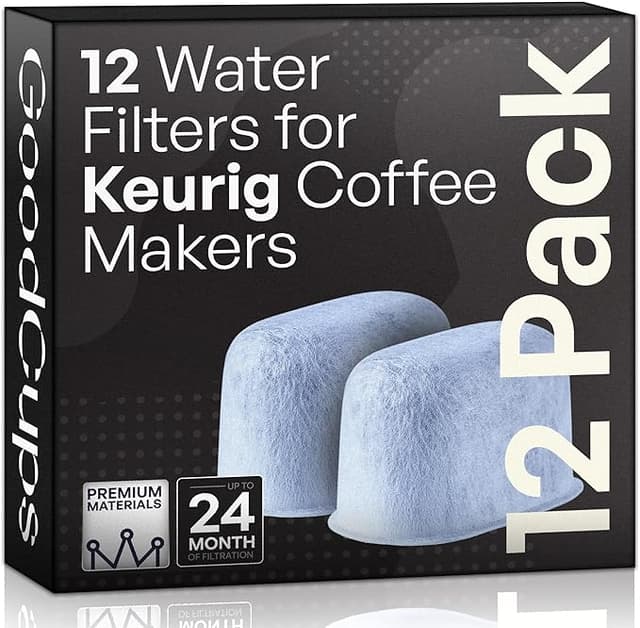
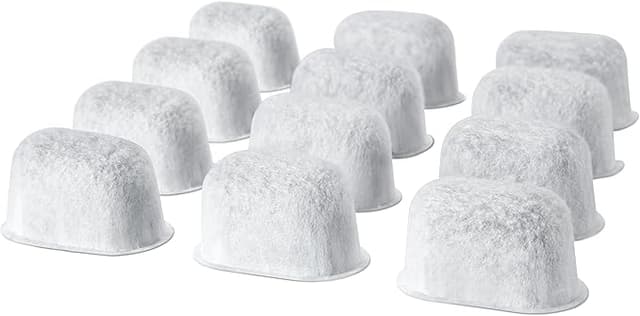
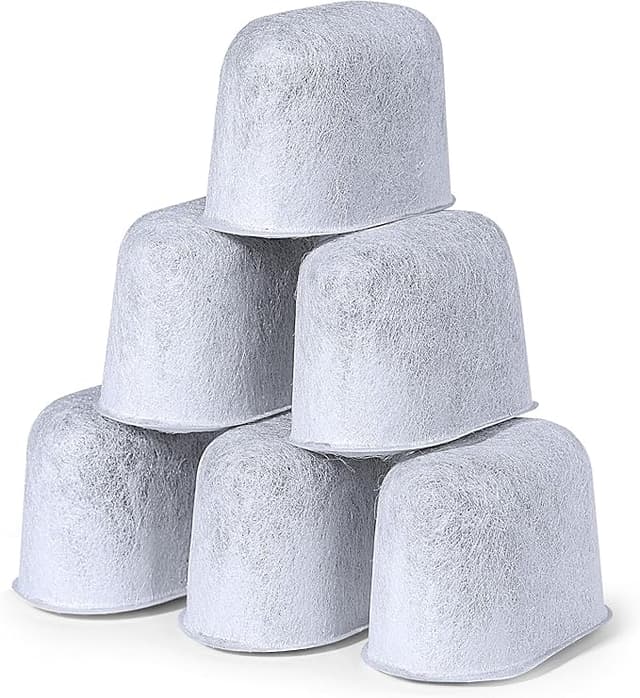
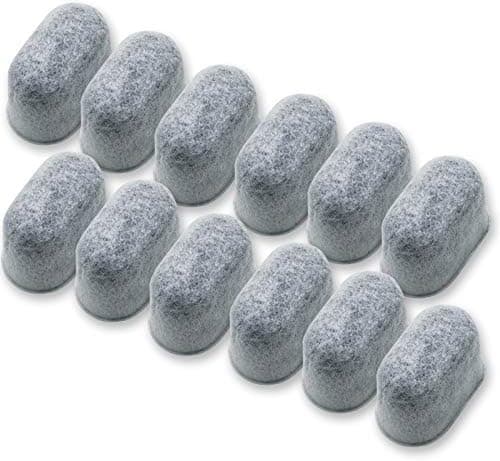
I pulled the compatible charcoal disk out of its little plastic sleeve, gave it the sniff I give everything now, and got faint wet cardboard. That's it. Soaked it for five minutes in a mug like the instructions say, pressed it down into the holder, and heard that small tock when it seats into the carrier ring. Same tock my OEM Keurig filter makes. I'll be honest — I half expected this thing to feel like a toy. It doesn't.
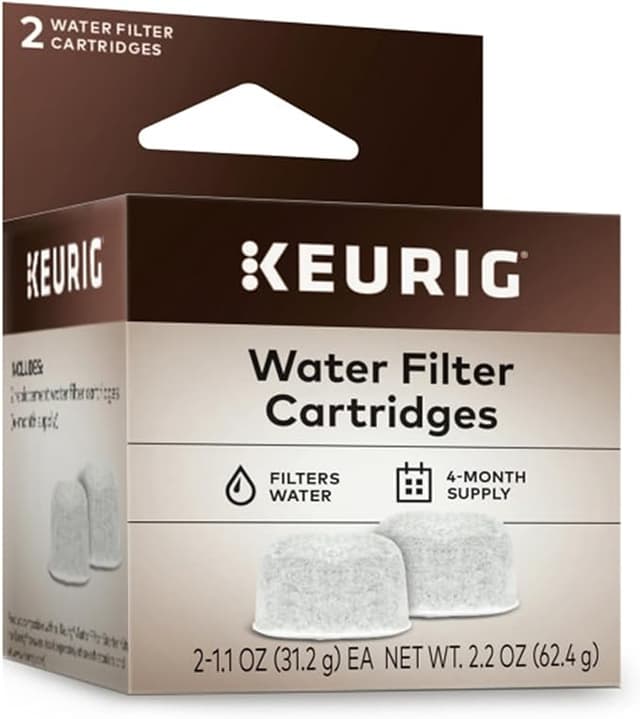
I've been buying replacement filters for years because I got tired of paying brand-name money for what is, at the end of the day, a coin of activated carbon wrapped in a mesh shell. My Keurig drinks one of these every couple of months. So when the OEM cartridges kept ringing up around $20 for a six-pack — sometimes more if the only listing in stock was the "with holder" bundle — I went looking for the third-party version. The compatible packs I landed on run closer to $11 to $13 for the same six. Call it a $8 to $9 gap per pack. Doesn't sound like much. But six filters is a year of replacements, so I'm spending roughly half as much to keep the same machine happy, every year, forever. That math is the whole reason this article exists.
The annual cost, laid out plainly
Here's how it shook out for me. Two months per filter means six a year — exactly one pack. OEM: about $20 a year. Compatible: about $12. So I'm pocketing something like $8 annually on a single Keurig, and I run two in the house. Not life-changing money. But it's $8 I was setting on fire for a logo, and once I saw the filters were basically identical, I couldn't un-see it.
Fit and install: does it actually seat?
This is where compatible filters usually betray themselves, so I paid attention. The disk dropped into the filter holder with no shaving, no forcing, no "is it in?" wiggle. Snapped into the carrier and slid down into the water tank like it belonged there. The tank lid closed flush. No gap, no tilt.
The routine, for anyone who hasn't done it: soak the new filter in water about five minutes so the carbon wakes up and stops floating, press it into the holder, set the whole assembly into the tank, and mark your calendar for two months out. That's the entire job. Took me under three minutes including the soak-watching. If yours fights you going in, you've either skipped the soak or you've got it upside down — ask me how I know.
What it does as well as OEM
The point of this charcoal disk is twofold: pull chlorine taste out of your tap water, and slow down the scale that murders Keurigs from the inside. On taste, I genuinely can't tell my compatible-filtered cup from the OEM-filtered cup. I tried. I brewed the same medium roast two mornings running, one machine on each filter, and my wife — who notices when I change the creamer brand — shrugged. Chlorine bite gone, coffee tasted clean and a little rounder. Job done.
On scale, the honest answer is "ask me in a year," because limescale is a slow killer and no two-month test proves much. But the carbon disk isn't really the descaling hero anyway — it's catching impurities before they hit the heating element, and a clean-running filter means less gunk building up where it counts. Two months in, my tank walls are clean and the brew temp feels the same. That's all I can fairly claim so far.
The real downsides — and there are some
I told you I'm not a marketer, so here's the stuff the listing won't lead with.
First, the build is a notch below OEM. The mesh shell on the compatible disk feels a touch thinner, and the seam where it's joined looks a little rougher if you actually inspect it — which a normal person never will, but I do, because I'm the guy writing this. Functionally it held up fine. Aesthetically, it's cheaper, and you can tell.
Second, the packaging is bare-bones. OEM comes in a tidy printed box; these showed up in a thin poly bag with a sticker. Doesn't affect the water one bit, but if you were hoping for that brand-name unboxing feel, lower your expectations now.
Third — and this is the one that actually matters — the consistency across a pack can wobble. Out of my six, five were dead identical. One sat a hair looser in the holder, enough that I reseated it twice to feel confident it wasn't going to rattle. It didn't. But with OEM I've never had to think about it, and here I did, once. If you're the type who wants zero variance, that's the tax you're paying for the lower price.
Why a dead filter is a problem you don't want
Quick reality check, because it's easy to just leave a filter in there forever. Scale buildup is the number one thing that kills a Keurig — clogged lines, a heating element working too hard, eventually a machine that won't pump. A saturated charcoal disk stops doing its job and your coffee starts tasting flat and faintly chemical again, which is your cue. Two months isn't a marketing number; it's roughly when the carbon's used up. Skip it long enough and you're not buying a $12 pack of filters, you're buying a new brewer. Whether you go OEM or compatible matters far less than actually swapping it on schedule.
So who should buy what?
If you're under warranty and paranoid about voiding it, or you simply want the no-variance, printed-box certainty and the few extra dollars don't register — buy OEM. No shame in it. That's the case for the brand.
For everyone else: I've now run the compatible charcoal filters in two Keurigs for a couple of months, the water tastes identical, the fit is right, and I'm spending about half. Yeah, the shell's a little cheaper and one disk out of six made me double-check it. But for roughly $12 a year instead of $20, doing the exact same job in my exact machine, I'd buy them again — and the next pack's already in my cart.