Troubleshooting & Analysis
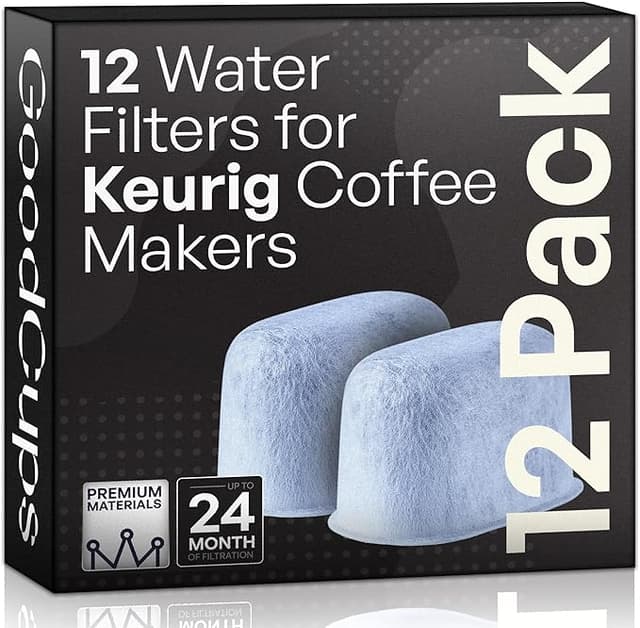
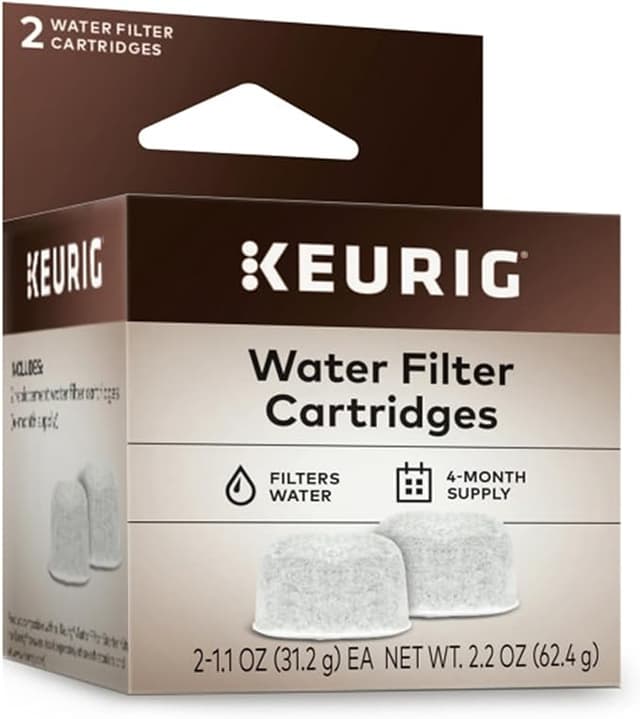
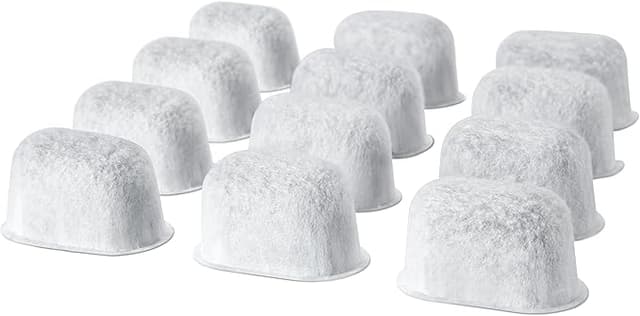
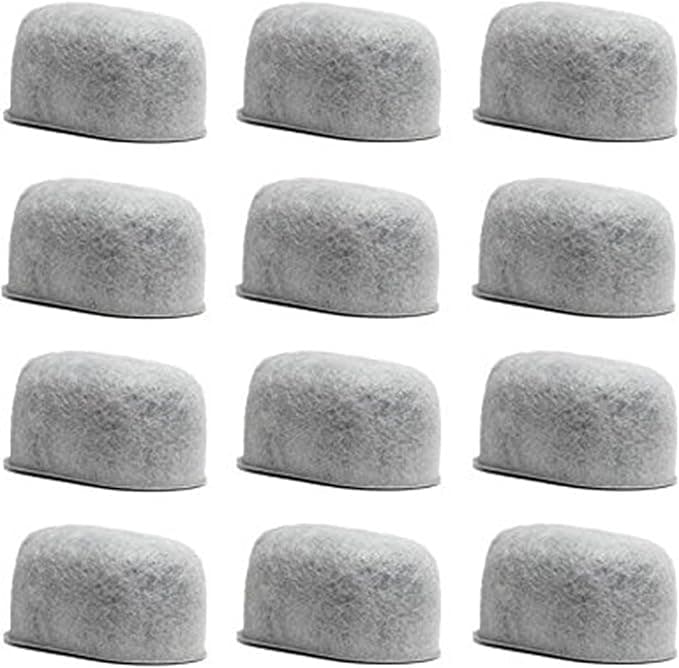
Here's the number that set me off. A six-pack of Keurig's own water filter cartridges runs about $16. That's a year's worth — you swap them every two months, so six gets you twelve months. Fine, $16 a year isn't going to bankrupt anyone. But then I found a twelve-pack of compatible charcoal cartridges that drop into the exact same holder for around $13. Twelve. That's two full years of filters for less than what Keurig charges for one. So I'm paying roughly $1 a cartridge instead of $2.67, and the question that kept nagging me was the obvious one: what exactly am I giving up to save that money?
I bought a pack to find out. I've been running them in my Keurig for the better part of a year now, so this isn't a "looks good on paper" take.
The part nobody tells you: this filter isn't really about the coffee
I went in thinking a water filter would make my coffee taste dramatically better. It doesn't — not in the way you'd hope. What it actually does is two things, and the second one matters more than the first. One, the activated charcoal pulls chlorine and that faint municipal-water funk out before it ever hits the brewer. Two — and this is the real job — it slows down the scale buildup that quietly kills these machines. Limescale is the number one reason a Keurig starts brewing slow, sputtering, or just giving up. The filter doesn't stop scale completely (nothing short of distilled water does), but it reduces what gets into the heating element.
So when I'm comparing OEM to compatible, I'm not really asking "which makes better coffee." I'm asking "which one protects a $130 machine just as well for a quarter of the price." That reframe is the whole review.
Fit and install — the part I was most nervous about
This is where compatible filters usually fall apart. A frame that's a millimeter too wide and it won't seat; too narrow and water sneaks around it instead of through it. So I paid attention.
The routine's simple. You soak the cartridge in water for about five minutes first — don't skip this, dry charcoal floats and won't pull water through evenly. Then it presses into the little filter holder, the holder snaps onto its stem, and the whole assembly drops into the reservoir. On the compatible ones I bought, the cartridge clicked into the holder with the same resistance the Keurig-branded one does. Seated flush. No gap around the edge where water could bypass it.
Honestly, the fit was the pleasant surprise. I've had compatible vacuum filters that needed a shove and a prayer. These just went in. The dial on the holder that you're supposed to set to your next replacement month — that turned fine too, though I gave up on it and just put a reminder in my phone.
Where it matches OEM, and where it's a hair behind
Side by side over a few months, the water tasted the same to me out of both. The chlorine knock-down is real on the compatible cartridge — I tested it the lazy way, by going back to no filter for a week, and the difference came right back. My tap water has a noticeable chlorine edge and the filtered water doesn't. The compatible one handled that just as well as Keurig's.
Scale protection is harder to judge in a kitchen, but here's my honest read after most of a year: my descale light is showing up on roughly the same schedule it always did. Not worse. That's the bar — I wasn't expecting a cheap filter to improve on Keurig, just to not be a downgrade, and it cleared that.
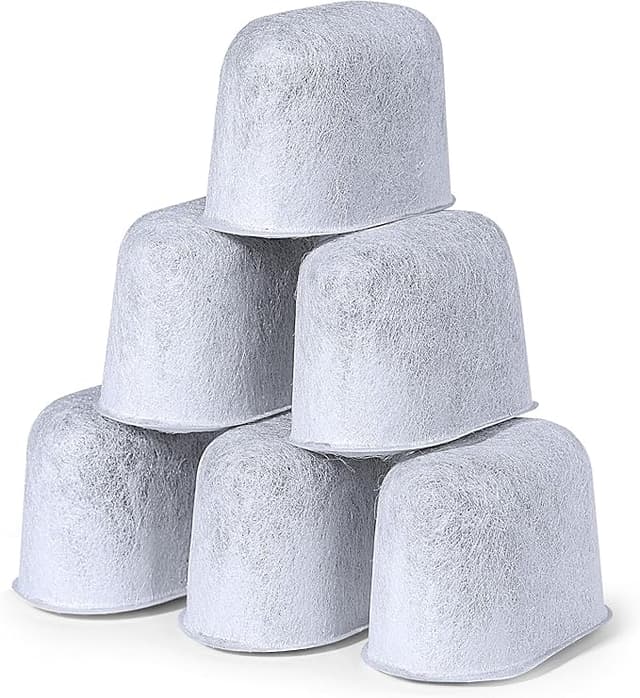
If I'm being picky about where it lags: I think the OEM charcoal is packed a touch denser. Pure gut feeling from handling both, not lab data. But it's the kind of difference that, if it matters at all, matters at the very end of the two-month window — and you're throwing the thing out at two months anyway.
The downsides — and there are a couple
First one, and it's the one I'd actually warn you about: the first day or two, there's a faint plastic-and-charcoal smell on the very first brew or two after you install a fresh cartridge. It's the new-filter break-in, and OEM does it too, but I felt like the compatible ones were a half-step stronger out of the bag. The fix is the same either way — that five-minute soak, and honestly I now run one throwaway cycle of just hot water through the machine after swapping. Pour that first cup out. By the second brew it's gone completely and I never taste it again for two months.
Second downside: the packaging is cheap and a little annoying. Keurig's come in a tidy box; these showed up in a bag with the twelve cartridges loose inside. Not a quality problem — the cartridges themselves were sealed and clean — but it feels less premium, and one of mine had a tiny bit of loose charcoal dust on the outside that I rinsed off before soaking. If you want a thing that feels like a $16 product, this isn't it. It feels like a $1 product. Because it is.
Third, smaller: the printed replacement dial was a little stiff on a couple of them. Like I said, I ignore it and use my phone. Non-issue once you stop relying on it.
So who should actually buy the OEM?
I'll be straight. If your Keurig is still under warranty and you're the type who worries that a non-Keurig part could give them grief on a warranty claim, buy the OEM cartridges and don't think about it. The peace of — sorry, the money you save isn't worth a warranty headache to a certain kind of person, and that's a completely fair call. Same if you're brewing for an office and just need someone to reorder without anyone second-guessing the brand.
The verdict
For everyone else — which is most of us — I keep buying the compatible ones. Two years of filters for $13 instead of one year for $16. Same fit, same chlorine knock-down, same scale schedule, with the only real cost being a slightly stronger break-in smell on day one that a single rinse cycle erases. I've now reordered the compatible twelve-pack twice. That's the most honest endorsement I can give: I spent my own money on them again, on purpose, after living with them.
Soak it five minutes, run one cup to waste, set a two-month reminder, and forget about it. That's the whole game — and there's no reason to pay quadruple to play it.