Troubleshooting & Analysis
I didn't believe a $20 filter could be fine either
Here's the truth: the first time I saw a compatible charcoal filter for my Keurig sitting next to the brand-name refills, I assumed it was junk. Cheap plastic, weak carbon, the kind of thing that crumbles into your tank and lets scale chew through the machine anyway. I'd been burned before on knock-off parts. So I did what any suspicious person does — I bought the cheap one half-expecting to throw it out, kept my old box of OEM cartridges as backup, and watched it like a hawk.
Four months later that box of backups is still sealed. Let me tell you why.
The price gap is not small, and it adds up fast
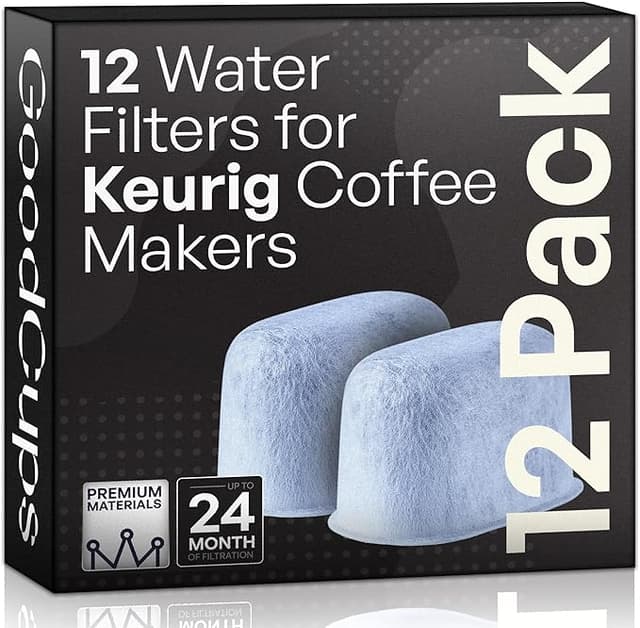
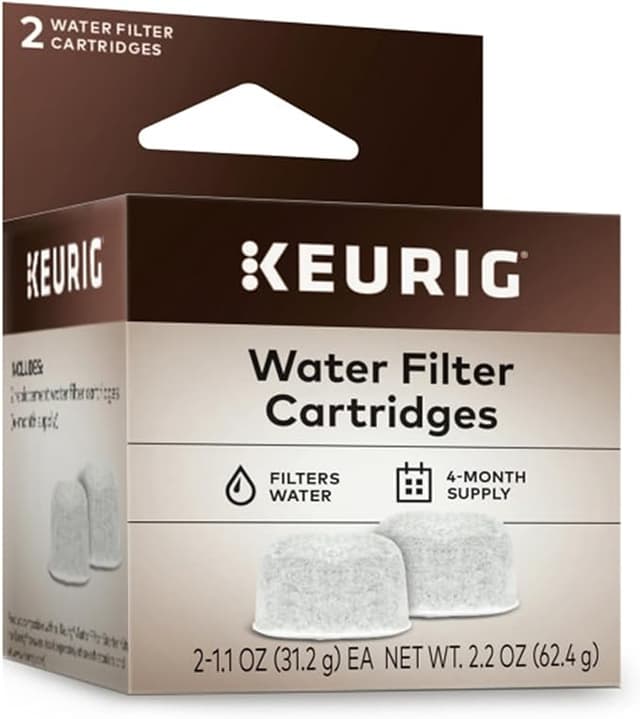
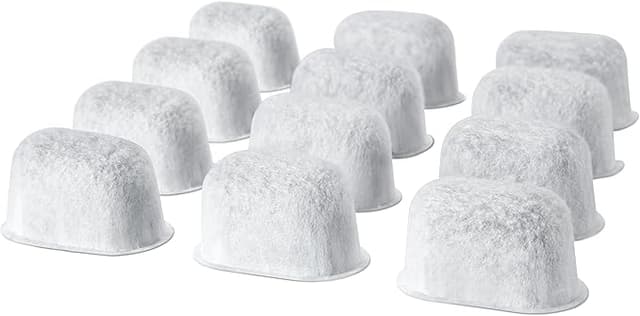
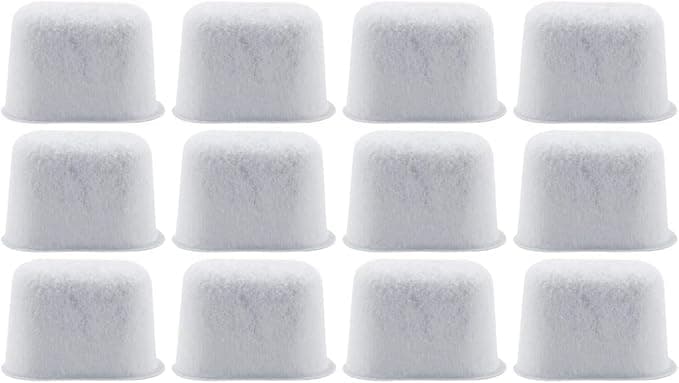
A six-pack of Keurig-brand water filter cartridges runs me around $20 — call it about $3.30 a cartridge. The compatible charcoal filters I switched to came out closer to $10 for a twelve-pack. That's roughly 85 cents each. Same job: soak it, seat it in the holder, drop the holder in the tank, swap it every two months.
Run the year-long math the way I actually use the thing. Six swaps a year. With the brand-name cartridges that's about $20 annually. With the compatible ones it's under $5. Five bucks. For something that gets soaked, sits in water, and gets tossed eight weeks later — I am not paying four times more for the privilege of a logo on the foil pouch.
And honestly, the savings are the boring part. The real question was whether the cheap one did the job, because a filter that doesn't filter is worse than no filter at all. So that's what I watched for.
Does it actually seat right?
This was my first worry. Aftermarket parts love to be a millimeter off — just enough that the holder won't close, or it rattles loose. These didn't. Soak the cartridge in water for about five minutes first (don't skip this — a dry charcoal filter floats and traps air, and you'll get a weak first few brews). Then it presses into the filter holder with the same little resistance the brand ones have, and the holder clicks down into the tank like it's supposed to.
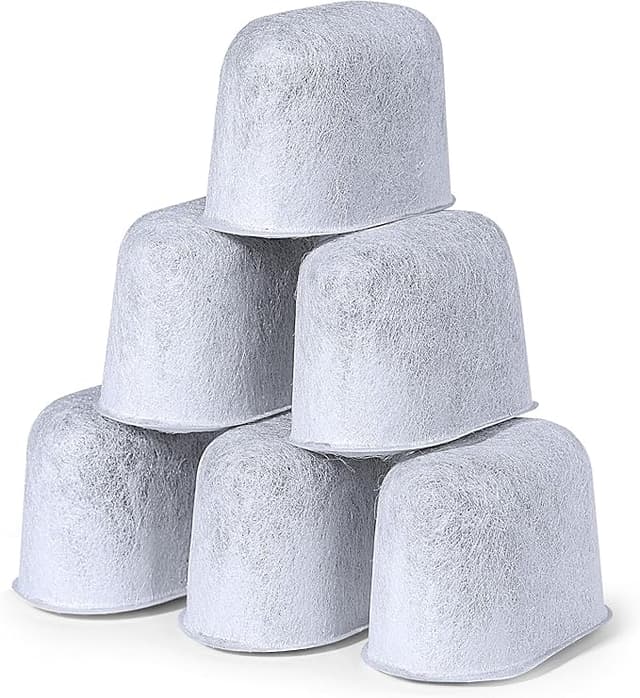
The one fit note: the carbon granules inside are packed a hair less tight than the OEM cartridge. You can feel it if you squeeze the housing. In practice it didn't matter for fit — it seated flush and stayed put through four months of daily brewing and a couple of tank refills a week. But I'll come back to that looser packing, because it's where the honest downside lives.
What it does as well as the brand one
The whole point of the charcoal is taste and scale. My tap water is moderately hard — I'm in an area where you see chalky white crust build up on a kettle within weeks. The thing scale does to a Keurig is quiet and nasty: it coats the heating element and the internal lines, the machine takes longer to heat, the brew gets weaker, and eventually it just dies mid-cup. Scale buildup is the number one reason these machines quit on people.
With the compatible filter in, my water tastes clean. No metallic edge, no faint chlorine smell that I used to get straight from the tap. The coffee comes out the way it should — and that was the test that actually mattered to me. A filter can fit perfectly and still do nothing. This one pulled the off-flavors out of the water just like the brand cartridge did. After four months I pulled the filter holder to check, and the tank and the lines were clean. No fresh crust forming. For 85 cents, it was doing the protective work I was paying $3.30 for before.
The real downside — and a second one
Okay. The first three days, there was a faint taste. Not bad, not chemical-harsh, but a slightly flat, carbon-ish note in the first cup or two each morning. That's the new charcoal breaking in. It cleared up completely by about day three, and if you run a tank of water through and dump it before your first real brew, you can skip most of it. But it's there, and the brand cartridge had less of it. I'd be lying if I said the break-in was identical.
The second thing — that looser carbon packing I mentioned. Because the granules aren't crammed as tight, I think these filters are right at the edge of their two-month life rather than comfortably past it. With the OEM cartridge I'd sometimes stretch it to ten weeks if I was lazy. With the compatible one I stick to the two-month replacement and don't push it. At 85 cents a swap, that's not a hardship — but it means you actually have to follow the interval instead of forgetting about it for a season. A saturated, expired filter stops protecting the machine and starts being a place for gunk to sit in your water. Set a reminder. Swap it on schedule. It's cheap enough that there's no excuse not to.
The packaging is also nothing to write home about — thin foil pouches, a plain box, none of the brand-name polish. Doesn't affect the filter. Just don't expect it to feel premium when it shows up.
Who should buy the brand one instead
If you brew once a week and a $15-a-year difference genuinely doesn't register for you, and you'd rather not think about it — buy the Keurig-brand cartridges, set them and forget them, fine. And if you're the type who will absolutely lose track of the two-month swap, the slightly-longer comfortable life of the OEM cartridge buys you a little grace.
But for me? I run my machine every single day, I have hard water, and I'm not paying four times the price for a part that gets thrown away every eight weeks. The compatible charcoal filter fit my Keurig right, kept the water clean, kept the scale off the heating element, and saved me real money doing it. The plastic-y break-in taste for three days is the only price, and it's gone by the weekend.
I bought the cheap one expecting to write a warning. Instead I'm on my third one — and that sealed box of brand-name backups is going in the donation pile. For under a dollar a filter, doing the same job, I'd buy it again. And I have.