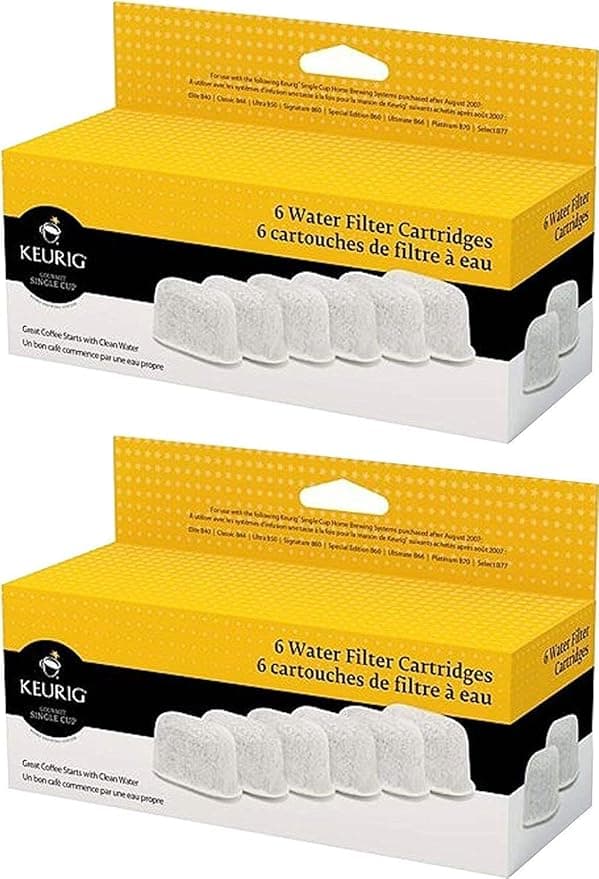
Troubleshooting & Analysis
The smell hit me before the coffee did
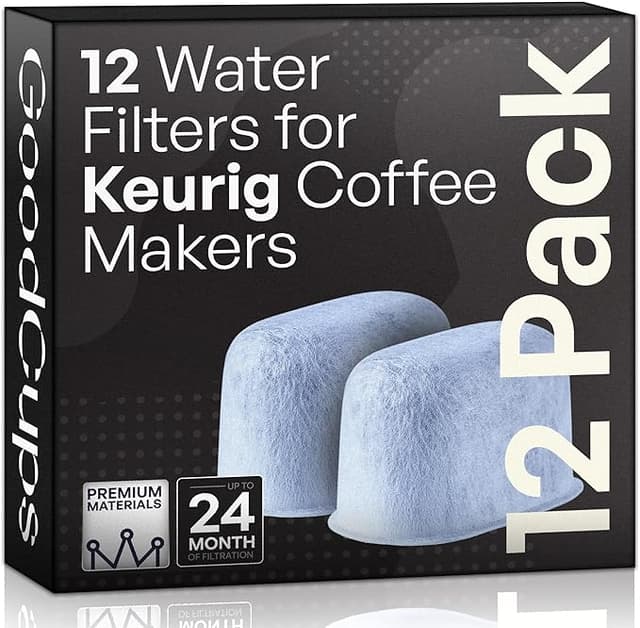
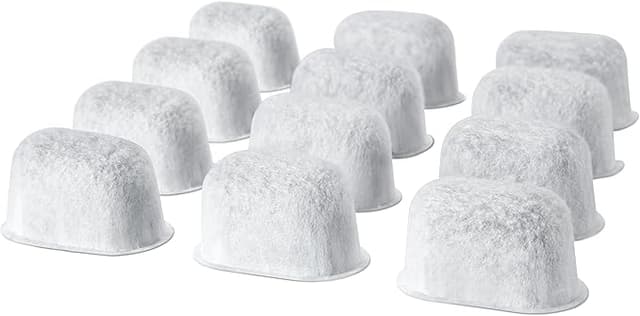
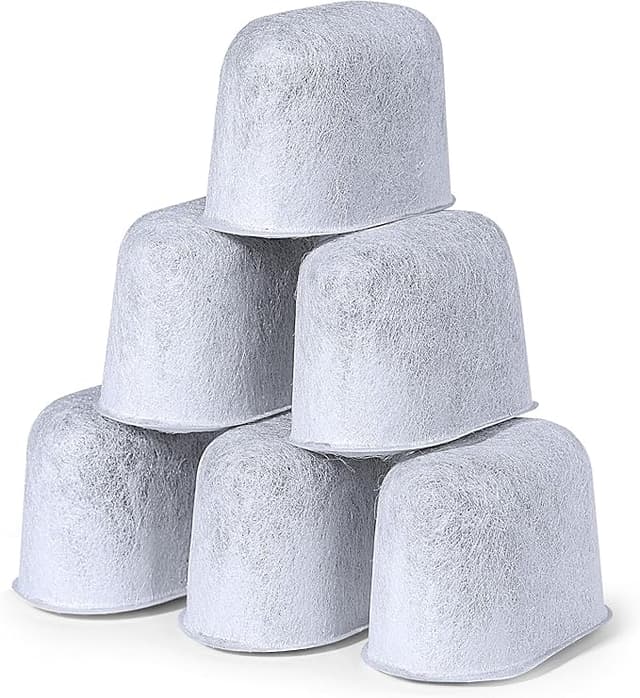
First thing I noticed wasn't the fit or the price — it was the smell. I tore open the bag of these compatible charcoal filters for my Keurig, and there was that faint, slightly chemical plastic-and-carbon scent. Not strong. But there. I stood at the sink holding this little puck of activated charcoal, soaking it under the tap for the five minutes the directions tell you to, and I remember thinking: I just paid a fraction of what the Keurig-branded pack costs, and I'm about to run it through the machine my morning depends on. Was that smart, or was I about to ruin a perfectly good week of coffee?
So here's the honest report, four refills deep.
The price gap is the whole reason you're here
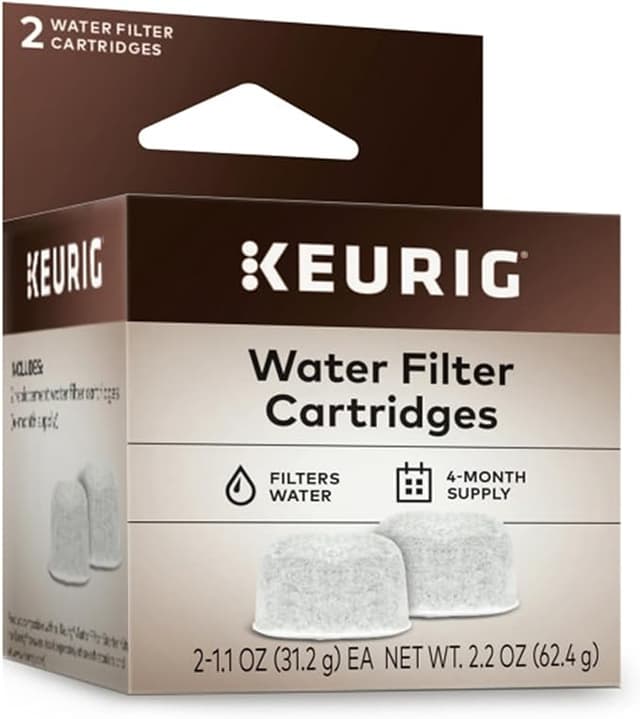
Let's not pretend. Nobody searches for a compatible Keurig charcoal filter because they love researching water filtration. You're here because you saw the number. The Keurig-branded cartridge packs tend to land around $15 for a six-pack — so roughly $2.50 a filter — and at one cartridge every two months, that's a slow, annoying drip of money out of your pocket forever. The compatible pack I've been buying runs about $10 for twelve. That's under a dollar a filter. Call it $0.85.
Do the year math, because that's where it actually bites. Six filters a year on the branded schedule is around $15 annually. The compatible route is closer to $5. A ten-dollar gap a year doesn't sound like a fortune — until you remember this machine might sit on your counter for five, six, seven years. Suddenly you're talking real money for a chunk of charcoal whose only job is to sit there and quietly catch chlorine and scale-forming junk before it ever touches your brew.
Does it actually fit?
This was my real worry. A water filter that's a hair too wide doesn't seat, and a water filter that's a hair too loose lets unfiltered water sneak around it — which means you paid for filtration you're not getting. So I paid attention.
The puck dropped into the filter holder cleanly. Snapped the holder closed, lowered the whole assembly down into the water tank, and it locked into place with that same little resistance-then-click the branded ones give you. No forcing. No shaving anything down. No floating loose. Honestly, if you handed me two seated filters — one branded, one this — and asked me to tell them apart through the tank wall, I couldn't. The dimensions are dialed in.
One thing I'll flag: don't skip the five-minute soak. I got impatient the first time and dunked it for maybe ninety seconds. The first tank tasted faintly off — that break-in plastic note I mentioned carried straight into the cup. Gave the next one its full soak and a throwaway tank of water before I trusted it, and the off-taste was gone. So that's on the install, not the filter. Soak it properly and you skip the whole problem.
How it actually performs
I'm on city water that's got a noticeable chlorine bite if you drink it straight. The thing a charcoal filter is supposed to do is pull that out so your coffee tastes like coffee and not like a swimming pool with opinions. And it does. Side by side against a fresh branded cartridge, I genuinely could not taste a difference in the brewed cup. Same clean, neutral water going in, same coffee coming out.
Where it matters more than taste, honestly, is scale. Hard-water mineral buildup is the number one thing that kills these machines — it gums up the internals until one morning you get a sad trickle instead of a full cup. A working charcoal filter cuts down what reaches the heating element. This one's doing that job. Four refills in, my tank and needle are as clean as they've been, no chalky crust creeping in.
Now the part the marketing won't tell you
The downsides are real, and I'd be lying to you if I skipped them.
One — that first-few-days plastic smell is genuinely there. It's faint and it fades, but on day one it exists, and if you've got a sensitive nose you'll catch it. The full soak and one sacrificial tank handle it, but you have to actually do that step. Lazy install, slightly funky first cup. Fair warning.
Two — the packaging is cheap. The branded pack comes in a tidy molded tray; these showed up in a plain plastic sleeve, filters loose, one of them with a little charcoal dust shaken off in the bag. Cosmetic, doesn't affect how they work, but if unboxing polish matters to you, this isn't it.
Three — the build feels a touch lighter in the hand than the branded puck. The mesh holding the charcoal in feels marginally thinner. It has not failed, leaked, or shed into my water over four cycles. But I notice it, and I'd rather tell you I notice it than pretend everything is identical. It isn't. It's very close, at a third of the price.
Who should skip this
If you're still inside your Keurig warranty and you're the type who worries a third-party part could give the manufacturer an excuse to deny a claim — buy the branded cartridge and don't think about it. The $10-a-year you save isn't worth a single argument with support over a machine that cost you a lot more. Same goes if a faint break-in smell on day one would genuinely bother you. Pay the premium, get the tidy tray, move on.
The verdict
For everyone else? I've reordered these. Twice now. The fit is dead-on, the water tastes clean, the scale protection is doing its quiet job, and the only real costs are a faint first-day smell and packaging that looks like it was thrown together in a hurry. Look — it's a puck of charcoal whose entire purpose is to catch junk before it reaches your coffee, and this one does that for under a dollar instead of two-fifty. I changed mine right on the two-month mark, soaked it the full five minutes, and my morning cup hasn't blinked. For that price gap, doing that same job, I'd buy it again. And I have.