Troubleshooting & Analysis
The first thing I noticed was the smell — or rather, that there almost wasn't one
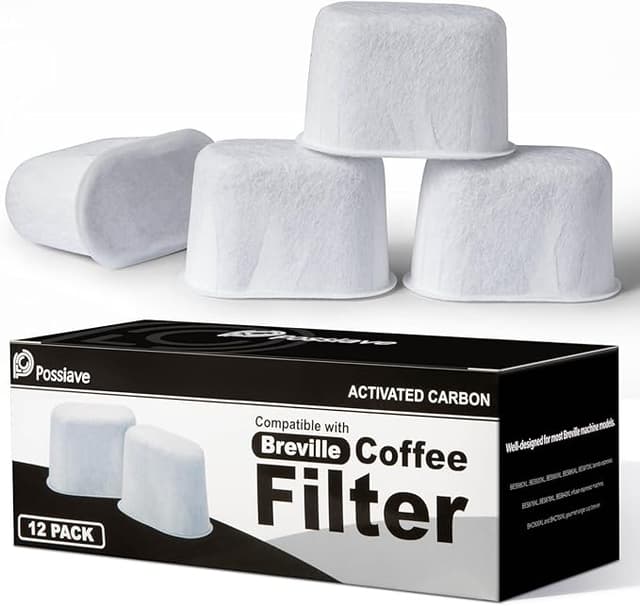
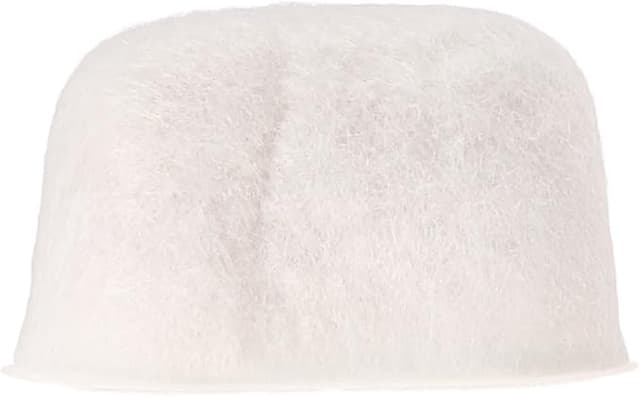
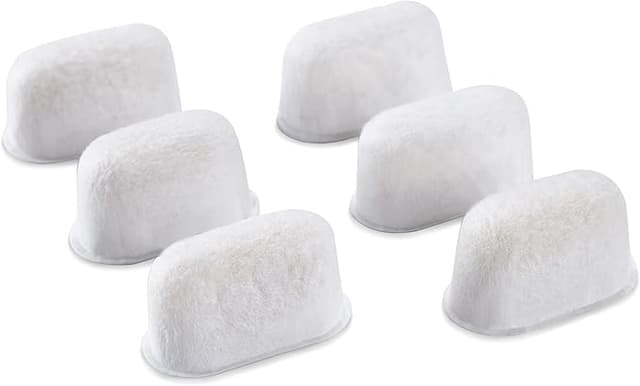
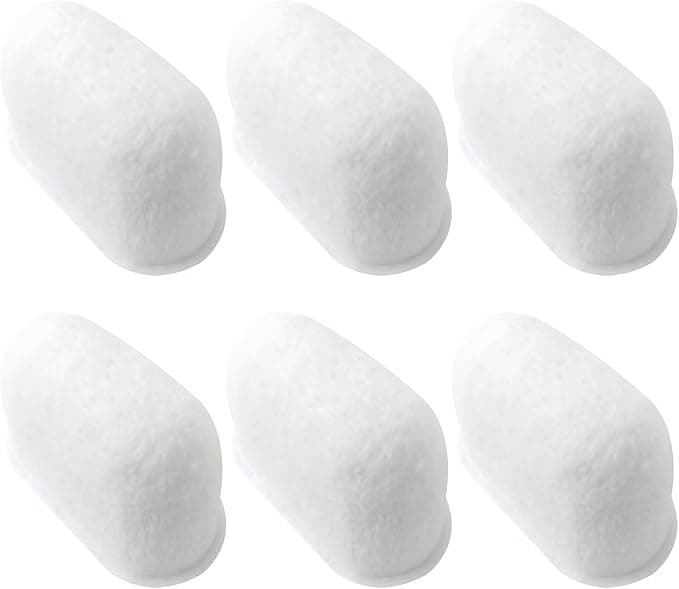
I pulled the compatible BWF100 filter out of its little plastic sleeve expecting that sharp chemical tang you get from cheap charcoal — the kind that makes you wonder if you're about to brew a cup of swimming pool. There was a faint carbon scent, sure, the same dusty smell a fresh bag of activated charcoal has. But that was it. I dropped it into a glass of water to soak it the way you're supposed to, and within a minute it was sending up that steady stream of tiny bubbles — the carbon venting trapped air. Five minutes later the water around it was barely tinted gray. I rinsed it once and it ran clear.
That little test told me most of what I needed to know before it ever went near my machine.
The price gap that started this whole experiment
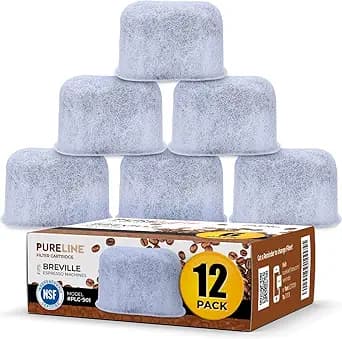
Here's what pushed me to try the off-brand version in the first place. A six-pack of genuine Breville BWF100 filters runs me about $28 at most places — call it $4.60 a filter. The compatible six-pack I bought was $14. That's roughly $2.30 each, half the cost. Breville tells you to swap the filter every two months, so over a year you're burning through six of them either way. Genuine: about $28 a year. Compatible: about $14. Not life-changing money. But it's the principle — I'm paying a premium for a puck of charcoal in a plastic cage, and I wanted to know if the premium bought me anything real.
Short answer, after running these in my Barista Express for the better part of a year: no, not really.
Does it actually fit the holder?
This is where compatible filters usually fall apart, so I went in skeptical. The BWF100 isn't complicated — it's a small cylinder that clips into a plastic holder, and the holder sits in the bottom of the water tank. After the five-minute soak, I pressed the compatible filter into the holder and felt it seat with a soft click. Snug. The holder dropped into the tank and the tank slid back into the machine without me having to wiggle or fight it.
I'll be honest about one thing, though. The fit into the holder was a hair tighter than the genuine filter — the first one took an extra press of my thumb to fully seat, and the molded plastic on the cage had a slightly rougher seam than Breville's. Cosmetic. Once it clicked it stayed put, and it hasn't rattled loose or floated up in the tank, which is the failure I was actually worried about. But if you've got a genuine one in your hand to compare, you'd feel the difference in the plastic.
What it does well, and where it lags a touch
The whole job of this filter is to pull chlorine and scale-forming minerals out of your tap water before they hit the boiler. Two reasons that matters: your coffee tastes cleaner, and — the bigger one — you slow down the limescale that quietly kills these machines from the inside. A clogged, scaled-up boiler is the single most common way a Breville dies, and it's not cheap to fix.
On taste, I genuinely couldn't tell the compatible filter from the genuine one in the cup. I run fairly hard tap water, and both versions knocked back that faint chlorine edge I get straight from the faucet. My espresso pulled the same, my milk steamed the same.
Where it lags: I think the genuine filter holds up a little better toward the end of its run. Around week seven or eight, I started getting the faintest mineral note creeping back into my water with the compatible one — a touch earlier than I remembered from the Breville filters. Nothing dramatic, and honestly it lines up almost exactly with the two-month swap interval anyway, so by the time I noticed it I was due to change it regardless. But if you're the type who stretches a filter to ten or twelve weeks, you'll probably feel the compatible one tap out before the genuine.
The real downside
Beyond the slightly rougher plastic and the marginally shorter useful life, the packaging is just cheap. The filters come loose in a thin plastic bag rather than the individually sealed wraps Breville uses. It doesn't affect performance — charcoal doesn't care about a pretty wrapper — but two of mine had a little carbon dust loose in the bag, and I had to give them an extra rinse before soaking so I wasn't dumping black grit into my tank. Minor. But it's the kind of corner-cutting that tells you exactly where the $14 saving comes from.
Who should skip it
If your machine is still under warranty and you're the cautious type, use genuine filters — not because the compatible ones will hurt anything, but because it removes one variable if you ever have to make a warranty claim. And if you've got genuinely brutal water, you might want the slightly longer-lasting genuine filter so you're not pushing it those last couple weeks.
For everyone else? Look, I've now bought the compatible BWF100 three times. It soaks up the same chlorine, protects the boiler the same way, and brews coffee I can't tell apart from the expensive version — for half the price. The plastic's a little cheaper and it fades a hair sooner, and I genuinely do not care. I set a phone reminder to swap it every two months, I buy the $14 six-pack, and I get on with my morning. That's the whole story.