Troubleshooting & Analysis
I stood in the kitchen aisle holding both boxes, doing the dumb math
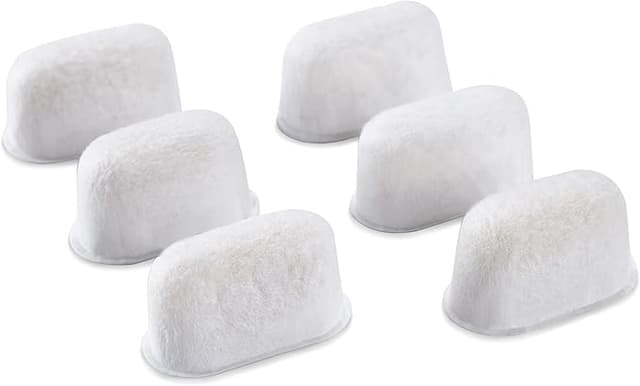
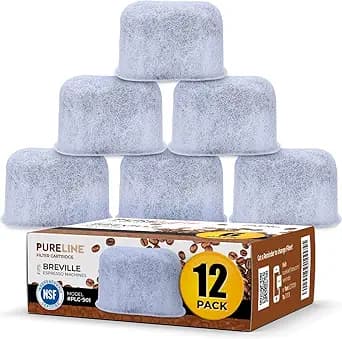
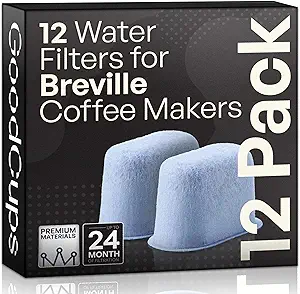
One was the Breville-branded water filter for my Barista Express — the BES870XL — sitting there like it had every right to cost what a decent bag of beans costs. The other was a compatible three-pack, same little puck shape, for less than the price of that single OEM one. And I just stood there. Because here's the thing nobody admits: you don't worry about a $4 part. You worry about the $700 machine it's protecting. That's the whole reason I hesitated. Not the filter. The espresso machine behind it.
I'd been burned by "compatible" before on other gear, so I get the nerves. But I bought the cheap pack, ran it for months, and I want to tell you exactly how it went — the good, and the one thing that genuinely annoyed me.
The price gap is almost insulting once you run the year out
The BES870XL's filter is a consumable. Breville wants you swapping it roughly every three months, or every 40 liters of water, depending on how hard your tap water is. So you're not buying one. You're buying four a year, forever, for as long as you own the machine.
At OEM prices, that adds up to a slow, quiet bleed — call it the brand tax on a piece of resin and carbon. The compatible packs run 40 to 60 percent less for the exact same swap interval. Over a year that's the difference between "whatever" and "an actual bag of single-origin beans." Over the five-plus years these machines last, it's real money for a part that, functionally, sits in a little basket in your water tank and does one job: catch chlorine and scale before they hit your boiler.
Does it actually seat right? Yeah — and that was my first worry gone
This was my big fear. The Barista Express has that filter holder clipped into the water tank, and if a compatible puck is even a millimeter off, it either won't clip or it floats and does nothing. I powered the machine down, pulled the tank, popped the old filter out of the holder — noting which way it faced, because orientation matters here — and pressed the new one in.
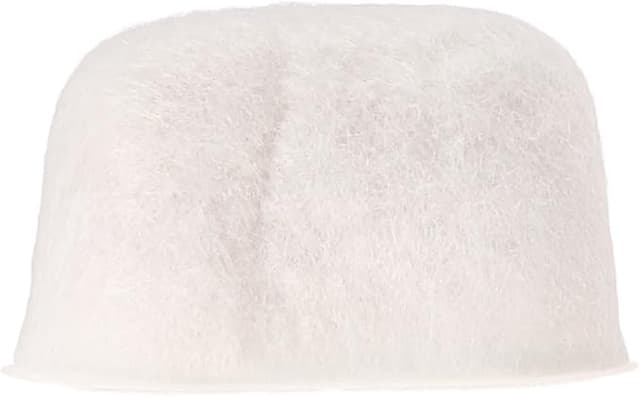
It clicked. Same diameter, same little collar, seated flush in the holder the way the original did. I soaked it first for five minutes in a cup of water like you're supposed to, gave it a shake to clear the air, and dropped the tank back on the rails. No fiddling, no shimming, no "well, close enough." If anything the fit was a touch firmer than the worn original I pulled out. Set the filter-change date on the dial, done. Maybe two minutes of actual work.
In the cup, honestly? I couldn't tell them apart
And I tried to. I pulled shots the first week paying attention like a weirdo — crema, body, that faint metallic edge you sometimes get from chlorinated tap water. Nothing. The water tasted clean, the espresso pulled the same, the steam wand behaved. Where these filters earn their keep is the stuff you don't taste: scale. Hard water furs up the heating element and the internal lines over time, and that's what eventually kills these machines or sends you into a descaling nightmare. The compatible filter knocked down the chlorine and softened the water just like the original — I checked my water's hardness before and after the swap, and it pulled the number down into the range Breville actually recommends.
So performance-wise, it's not "almost as good." It's doing the same job. The carbon's carbon. The resin's resin.
The one real downside — because there's always one
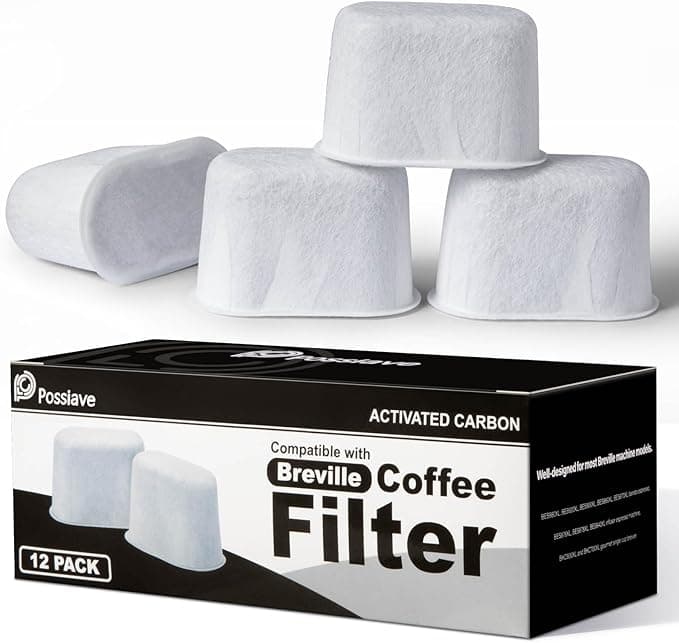
The packaging is cheap. Genuinely. The OEM filter comes sealed nice; the compatible three-pack I got came in a thin plastic bag inside a flimsy box, and one of the three pucks had a tiny bit of loose carbon dust rattling around. Didn't affect anything — you soak and rinse before installing anyway, which clears it — but if you're the type who judges by the box, you'll roll your eyes a little. I did.
And I'll be straight: the molded plastic collar feels a hair less precise than Breville's, even though it fit fine. It's the kind of thing you only notice if you hold both in your hands at once. In the tank, doing its job underwater where no one looks, it does not matter even slightly.
Why I don't let this slide past the date
Look, the temptation with a cheap filter is to run it long past when you should, because hey, it was cheap. Don't. A saturated filter stops pulling chlorine and stops blocking scale — and then it's worse than no filter, because you think you're protected. Scale building up in a BES870XL doesn't announce itself. It just quietly shortens the life of a machine that cost you real money, until one day the shots run cold or slow and you're staring down a repair bill that dwarfs a decade of filters. The whole point of buying the affordable pack is that you can swap on schedule without wincing. So actually do it.
Who should buy OEM — and why I personally grab this one
If your machine's still under warranty and you're the cautious type who doesn't want to give Breville any excuse to argue over a claim, buy the branded filter and sleep easy. That's a fair call. No judgment.
But me? My BES870XL is out of warranty, it pulls great shots every morning, and I am not paying a brand premium on a chunk of carbon I throw away four times a year. I've run the compatible filters for months now, watched my water hardness stay in range, and the machine runs exactly as it did on the expensive ones. For 40 to 60 percent less, doing the identical job, I'd buy it again — and I already have, twice.