Troubleshooting & Analysis
The morning my espresso tasted like a swimming pool
It crept up on me. One Tuesday the shot pulled fine, and by the next Tuesday my flat white had this faint chlorine edge — pool water, basically — riding underneath the coffee. I blamed the beans. Bought fresh ones. Same off note. Then I pulled the water tank out of my Breville and found the little BWF100 filter sitting in there, fuzzy and gray, way past the date I'd scrawled on a sticky note two months earlier. That's what a spent charcoal filter does: it stops grabbing the chlorine and minerals, so all of it lands straight in your cup. And worse, it stops holding back scale, which is the slow killer for any espresso machine with a boiler.
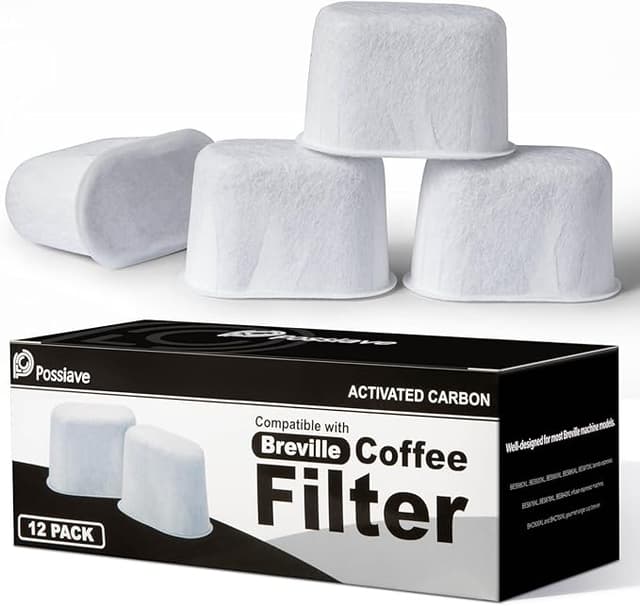
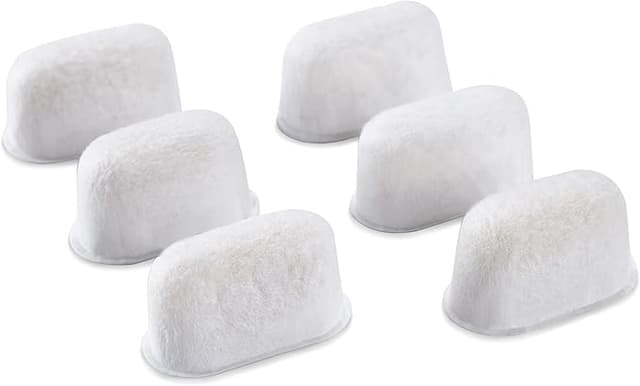
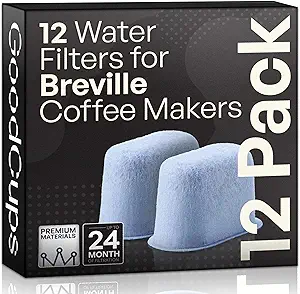
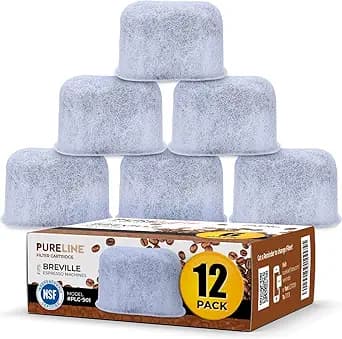
So I had a choice I bet you're staring at right now. The official Breville BWF100 two-pack runs about $15 at most places I checked — call it $7.50 a filter, and you're meant to swap them roughly every two months. That's around $45 a year just in water filters for a machine you already paid a few hundred bucks for. The compatible six-packs I started buying come in around $13 to $16 for the whole sleeve. That's a touch over $2 a filter. Same job, less than a third of the price.
Do they actually fit the tank?
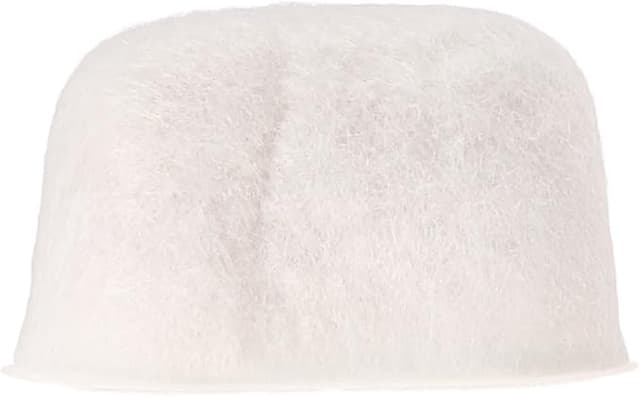
This was my first worry, because a filter that doesn't seat right is worse than no filter — it just lets unfiltered water sneak around the edge. The compatible ones I've run drop into the holder basket on the tank exactly like the Breville part. Same cylinder shape, same little tab orientation. You soak it first (I leave mine in a glass of cold water for five minutes so the carbon wets through), press it down into the clip until you feel it click home, and set the dial on top to two months out. No trimming, no forcing. On one of the cheaper brands I tried, the plastic collar was a hair less crisp than the OEM molding, but it still locked in and held position when I slid the tank back into the machine.
If you want the by-the-book version: power down, pull the tank, lift out the old filter and note which way it sat, rinse the basket and wipe it dry, soak the new one, press it in the same orientation, then run a tank of water through before you pull your first shot. That last flush matters — see below.
The honest downside
Here's the real one, and I'd rather tell you now than have you blame your machine. Out of the bag, these compatible filters have a faint carbon taste for the first day or two. The first tank I ran after installing tasted a little flat — like the water had been sitting in a Brita too long. That's loose carbon fines rinsing out. The fix is dead simple: after soaking, run one full tank of plain water through the machine and dump it before you make coffee. By the second tank it's gone and my shots taste clean, no pool-water note, no carbon note. The OEM filter does this a little less — maybe one cup of break-in instead of a full tank. Not nothing, but a flush solves it, and I'll take a five-minute rinse to save thirty bucks a year.
The other small thing: packaging is bare-bones. The Breville pack is a tidy printed box; the compatibles I buy show up in a plain plastic sleeve, sometimes with a sticker label. Doesn't change what's inside the filter, but if you were hoping for something that feels premium, this isn't it. Cheap wrapper, fine filter.
Performance, the parts that matter
What I actually care about is two things: does my coffee taste right, and is my machine getting protected from scale. On taste, after the break-in flush, I genuinely can't tell the compatible from the OEM in a cup. Same softness to the water, no chlorine, no metallic edge. On scale — this is the one you can't taste until it's too late — the carbon-and-resin mix in these does the same chlorine-and-mineral knockdown the Breville part does, which is the whole point of running a filter instead of dumping raw tap water in. I still descale on schedule regardless, because no in-tank filter catches everything, but my boiler's been quieter and slower to crust up since I started actually changing filters on time instead of letting them rot.
And that's the thing nobody tells you: the brand of the filter matters way less than whether you change it. A premium OEM filter left in for four months is worse than a $2 compatible swapped every two. The reason that gunky old one wrecked my coffee wasn't that it was cheap — it was that it was old. At two bucks a pop, I have zero excuse to stretch one anymore. I keep the six-pack in the drawer next to the machine and just grab the next one.
So who should skip these?
If you're the type who wants a single printed box from the brand and the exact dial markings to line up to the millimeter, or you run a café where you genuinely can't risk a half-tank break-in flush, buy the Breville BWF100 and don't think about it. For everyone else — home machine, a few shots a day, a person who just wants clean water and a boiler that lasts — I grab the compatible six-pack every time. I'm on my third sleeve. Same clean cup, a fraction of the cost, and I finally change them on schedule because it doesn't sting to. For the difference between $45 a year and maybe $14, soaking a filter and dumping one extra tank of water is the easiest call I make in my kitchen.