Troubleshooting & Analysis
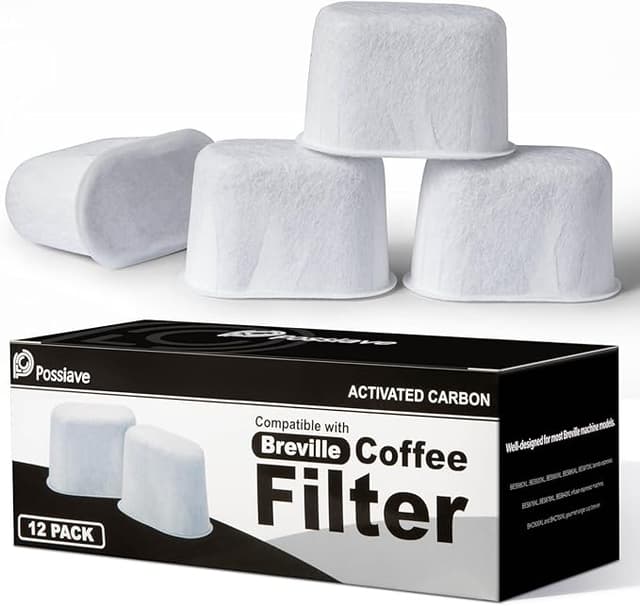
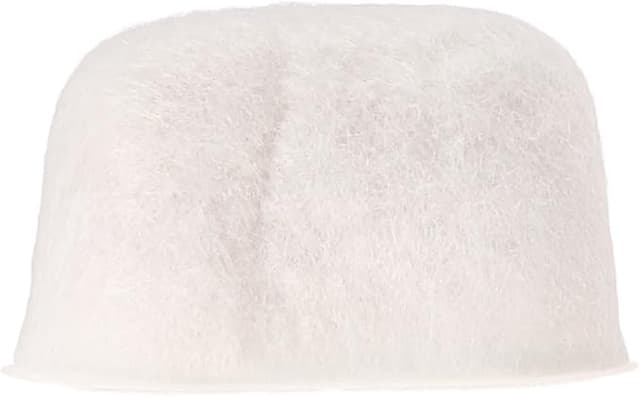
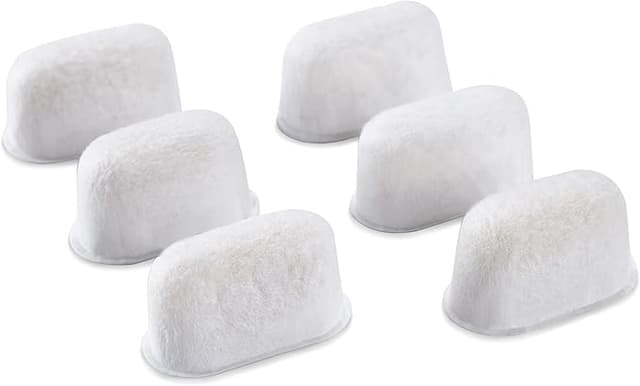
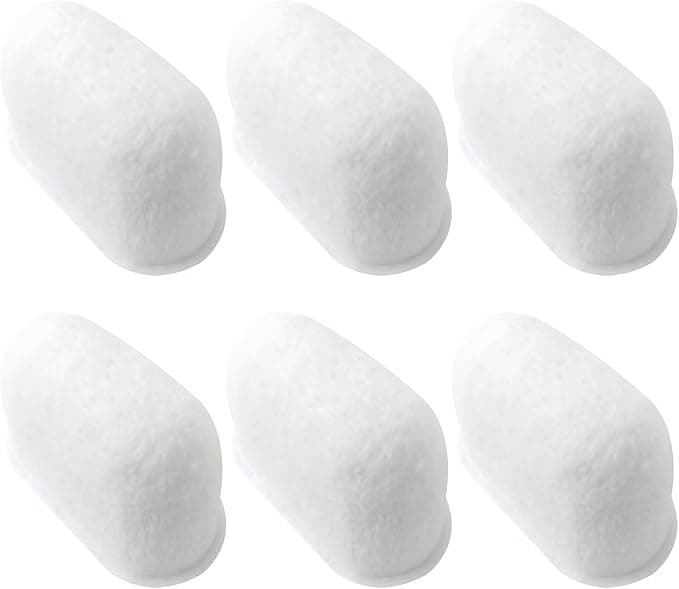
The first thing I noticed was the smell — or really, how little there was of one. I'd braced for that sharp plastic-bag odor you get with a lot of cheap aftermarket parts, the kind that makes you wonder what's leaching into your water. Pulled the compatible BWF100 charcoal filter out of the sleeve, and it just smelled faintly like a fish-tank carbon pad. Damp charcoal. That's it. I soaked it in a glass of water for the five minutes the instructions ask for, watched the little stream of micro-bubbles fizz off the carbon, and that was the whole drama.
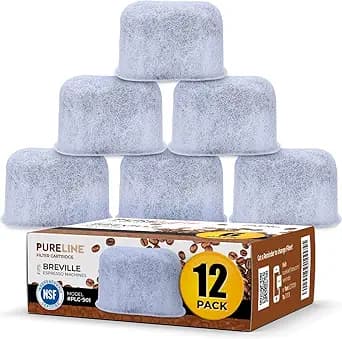
I'd been running OEM Breville filters in my Barista Express for about two years before I got annoyed enough to try the knockoffs. Here's the math that pushed me over: a genuine Breville 6-pack of BWF100 filters runs me about $24 — call it $4 a filter. You swap every two months, so that's six a year, roughly $24 annually just to keep the carbon fresh. The compatible 12-pack I bought was $15. That's $1.25 a filter, and a full year covered for about $7.50 instead of $24. Not life-changing money. But it's the principle — I was paying a 3x markup for a disc of charcoal in a plastic cage.
Does it actually fit the holder?
This is the part everyone's nervous about, and fair enough — a filter that doesn't seat right can rattle loose or let unfiltered water sneak past. The BWF100 format is a little cylindrical cartridge that clips into a plastic holder, which then sits in the bottom of the water tank. On the compatibles I got, the cartridge slid into the holder and gave that same firm little click the Breville ones do. Seated flush. No wobble when I gave the holder a shake.
I'll be honest about one thing, though: the molding tolerance is just a hair looser than OEM. On two of the twelve, I had to give the cartridge a second push to get it fully home — the first push felt seated but the cap wasn't quite flush. Once it clicks, it clicks, and it held fine in the tank. But if you're the type who shoves it in halfway and walks away, check that it's actually seated. With the genuine ones I never had to think about it. With these, I glance at it for a second. Small tax.
What it does to the water — and the coffee
The whole job of this filter is pulling chlorine and the off-tastes out of your tap water before it ever hits the boiler. Two reasons that matters. One, chlorine and mineral funk genuinely change how your espresso tastes — flatter, a little chemical on the finish. Two, and this is the real money reason, scale. Hard water dumps calcium inside the machine, and scale buildup is far and away the most common way these Breville units die. A working carbon-and-resin filter slows that down.
So how'd the cheap one do? On taste, I genuinely couldn't tell it apart from the OEM in a side-by-side. I pulled the same shot, same beans, same grind, water from the same tap — one tank with a fresh Breville filter, one with the compatible. Tasted both black, back to back. Clean, no chlorine edge on either. If there's a difference, my palate isn't fine enough to catch it.
Where I think it's a touch behind: longevity of the resin. The genuine filters seem to soften my water a hair more consistently through the full two months. With the compatible, the last week or two before a swap, I noticed my descale light creeping toward its schedule a little sooner than it used to. Could be in my head. But I've started swapping these closer to seven weeks instead of stretching to eight, just to stay ahead of scale. At $1.25 a pop, swapping a week early costs me nothing.
The downside I won't paper over
The packaging is junk. The Breville ones come individually sealed in proper foil sachets that keep the carbon dry and dated. My compatible 12-pack came as a loose dozen rattling around one zip bag. No individual seals. Carbon filters are happiest sealed until use, so a bag of twelve sitting open-ish in a drawer for a year isn't ideal — the carbon can pick up whatever's around it. My fix is dumb but it works: I tossed the spares in a zip-lock with the air pushed out and keep them in a cupboard away from anything fragrant. Annoying that I have to. But it's a five-second chore, not a dealbreaker.
Who should just buy the Breville
If your machine's still under warranty and you're the cautious type, stick with OEM — some warranty terms get cranky about third-party parts, and $16 a year of savings isn't worth a fight over a $700 machine if something goes sideways. Same if you're on really hard well water; I'd want the most aggressive resin I could get, and that's an argument for genuine.
For everyone else — out of warranty, normal city tap water, just want clean water and a machine that doesn't scale up — I grab the compatible. I've run them for months now, the coffee tastes the same, the fit is solid once it clicks, and I'm spending a third of what Breville wanted. The packaging is cheap and I babysit the seating a little. Look, those are the honest costs. For sixteen bucks a year back in my pocket, doing the same job, I'd buy them again. I already have — second 12-pack's in the drawer.