Troubleshooting & Analysis
Standing in the kitchen aisle doing coffee-filter math
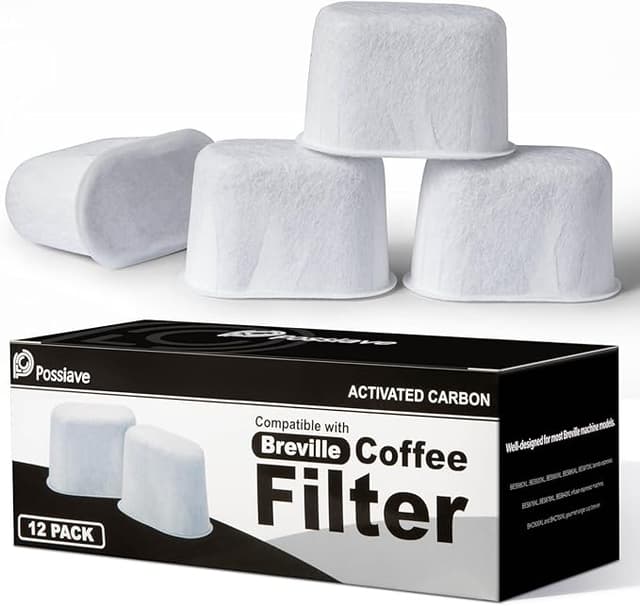
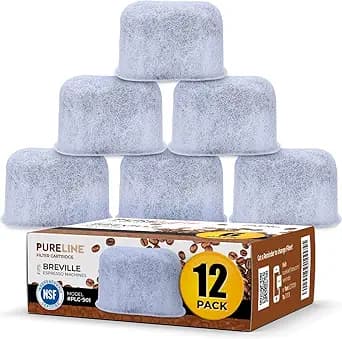
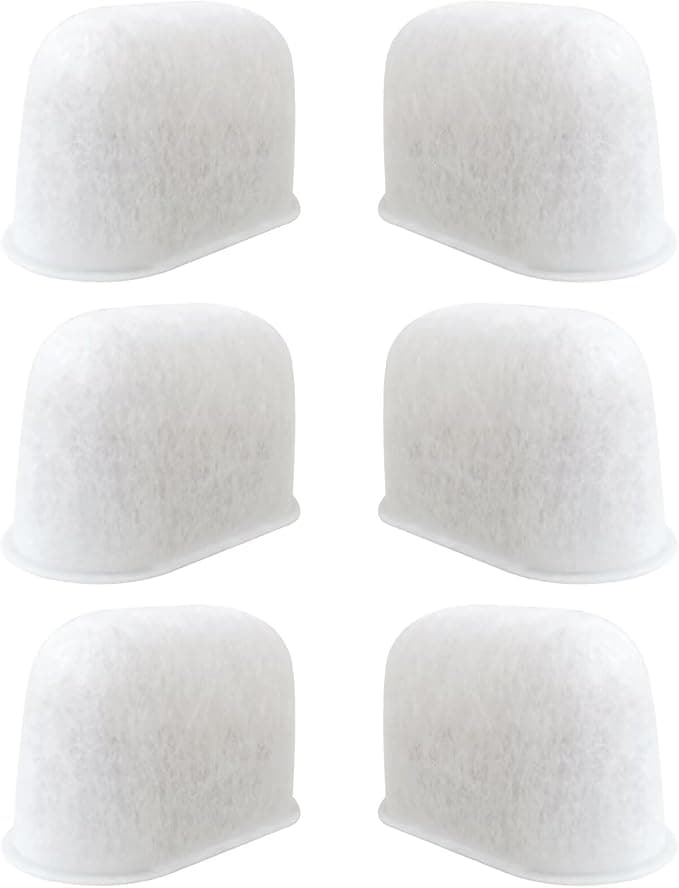
There I was, holding two little mesh pods of charcoal in front of my Breville. One was the Breville-branded BWF100 two-pack. The other was a no-name compatible set that cost roughly half. And I just stood there for a second, genuinely annoyed, because we are talking about a thumb-sized puck of carbon and the price gap felt insane. My machine wasn't going to know the difference, right? That was the bet. I made it. Four months and a lot of espresso later, here's what actually happened.
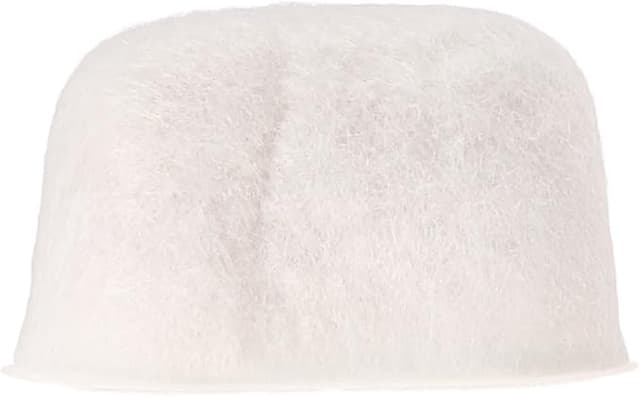
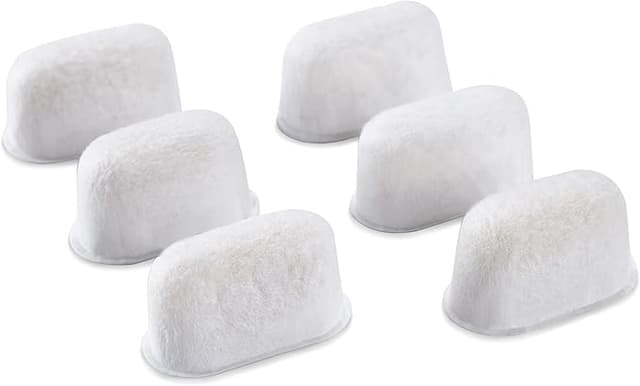
Quick context if you're new to these: the BWF100 isn't a paper coffee filter, it's the water filter that sits in your tank. Its whole job is to pull chlorine and other junk out of your water before it ever touches the group head, and — more importantly for your wallet — to keep scale from caking up the boiler and lines. Breville isn't wrong that scale kills these machines. It's the number-one way they die. So a dead or skipped filter isn't a taste problem first, it's a "your $700 espresso maker is now a paperweight" problem.
The price, the math, and why I balked
The Breville pucks run you real money for what they are, and you're supposed to swap them every two months. Do that honestly and you're buying six a year. The compatible set I grabbed dropped my per-filter cost by close to half, and over a year that's not nothing — it's basically a couple bags of decent beans back in my pocket. When I ran the annual number it stopped being "is the cheap one good enough" and became "why am I paying brand tax on a carbon disc."
That's the seductive part. The math is clean and it points one direction. But cheap water filters can absolutely be junk — loose carbon, bad fit, a tank that doesn't seal — so I wasn't going to trust the spreadsheet. I wanted to feel it work.
Does it actually fit? (the part I worried about)
This is where compatibles usually betray you, and honestly it's the only place I get nervous. Install is dead simple: soak the filter in water for about five minutes so it stops floating and the carbon wets through, press it into the little holder, then drop the holder into the tank. That's it.
The compatible one seated. It went into the holder with that same snug push, and the holder clicked into the tank exactly where Breville's does. No wobble, no gap where unfiltered water could sneak past. I'll be straight with you though — the molded plastic on the holder ring felt a hair cheaper than the Breville piece, a touch more flexible between my fingers. Did it matter functionally? No. It sealed. But you notice it.
One real tip: don't skip the soak. The first one I rushed and dropped in after maybe two minutes, and it bobbed up and refused to sit flush until I pulled it back out and gave it the full five. Wet it properly and it behaves.
Four months of actual coffee
Taste is the test that matters, so here's the honest read. Water out of the tank tasted clean — no chlorine bite, no flat municipal-water dullness in the cup. My shots pulled the same as they did on the Breville filter. If you sat me down blind I could not tell you which puck was in the tank. For a charcoal filter that's the whole job, and it did it.
The one thing I'll flag: the first two or three days there was a very faint carbon taste on the very first morning pour. Run a tank or two of water through before you make your first real coffee and it's gone. The Breville ones do a mild version of this too — fresh carbon is fresh carbon — but I noticed it a touch more on the compatible. Minor. By day three, nothing.
Scale-wise, which is the part that actually protects the machine, I pulled the filter at the two-month mark to check. It had done its work — the water staying soft, no new chalky crust building around the tank fittings the way it does when I've gotten lazy and run bare water. That's the real reassurance. The filter that's a few bucks cheaper is still standing between your boiler and a slow limescale death.
The genuine downsides
So you've got the honest picture: the holder plastic feels a little less premium, there's a slightly stronger first-pour carbon note that flushes out in a day or two, and the packaging is the usual bargain-brand baggie instead of Breville's tidy box. None of that touches the coffee or the machine. But if you're someone who wants the brand experience to feel like the brand the whole way through, you'll feel the corners that got cut on presentation.
So who should buy what
If you're still under Breville's warranty and you're the type who worries a third-party part could give a service rep an excuse to deny a claim, just buy the Breville pucks and sleep easy. Same if a couple of dollars a filter genuinely doesn't register for you — there's no shame in buying the branded one for simplicity.
For everyone else? I went back and bought the compatible set again, and that's the most honest endorsement I can give. It fits, it seals, it tastes clean, and it keeps scale off the parts that cost real money to replace — for about half the price of the name on the box. Soak it the full five minutes, flush a tank before your first cup, and swap it every two months like you're supposed to. Do that and the cheap one does the exact same job. I've been doing it for four months, and my next reorder is already the compatible.