Troubleshooting & Analysis
The click is how you know it's seated
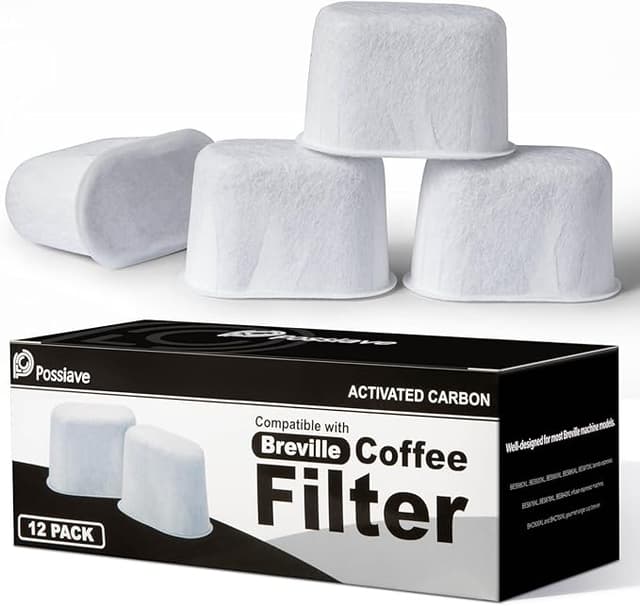
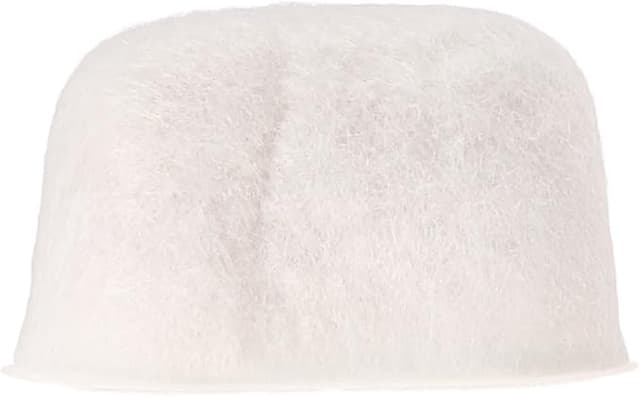
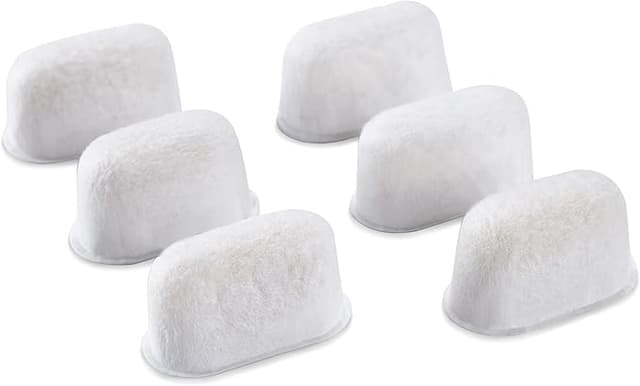
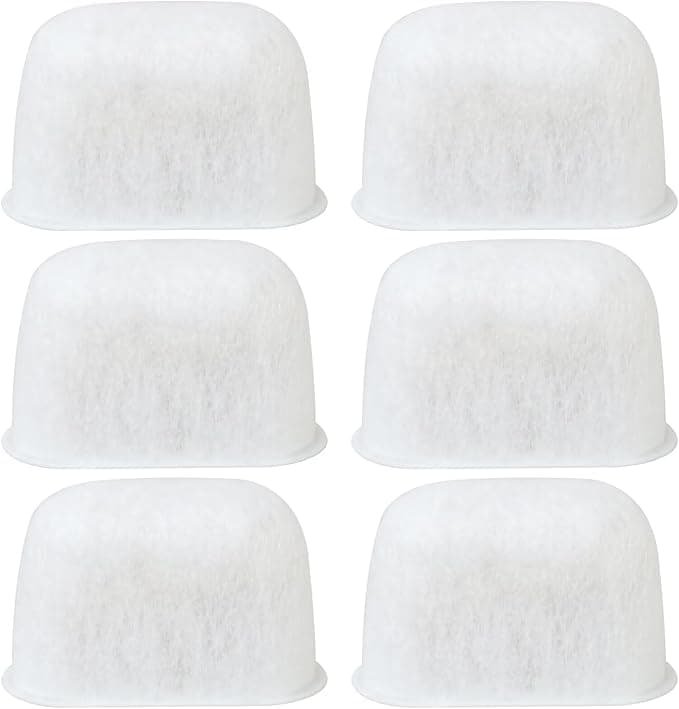
First thing I noticed pulling the compatible BWF100 filter out of the bag: a faint charcoal-and-plastic smell, the kind that reminds you of a new shower filter. Not chemical exactly. Just… new. I held it next to the worn-out genuine Breville filter I'd just yanked from my Barista Express, and they were close. Same little puck shape, same gray carbon core, same threaded cap. The compatible one's plastic ring felt a touch thinner under my thumbnail. I pressed it into the holder anyway and got that small click — the one that tells you it's actually home and not just resting in there crooked.
That click matters more than it sounds. The first time I ever changed one of these I didn't push hard enough, the filter sat proud by a millimeter, and the lid of the water tank wouldn't close flush. So I've learned to feel for it.
The math that made me try the cheap one
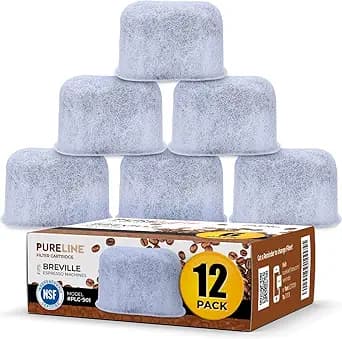
Here's what pushed me off the genuine filters in the first place. Breville's own BWF100 pack runs about $34 for six where I shop — call it roughly $5.60 a filter. You swap them every two months, so that's three a year per machine, around $17 annually if you stay on Breville. Not bank-breaking. But the compatible six-pack I've been buying lands at about $14, which is closer to $2.30 each. Same yearly cadence, and I'm spending maybe $7 a year instead of $17.
Ten bucks. I know. On one filter pack that's a rounding error. But I run two Breville machines — one at home, a little single-boiler at my mom's — and I'd been buying these for three years before I ever questioned it. Stack it up and the genuine filters had quietly cost me more than the descaling solution, the cleaning tablets, everything. That's when I got annoyed enough to test the alternative properly instead of just assuming the cheap one would gunk up my boiler.
Soak it first — don't skip this
If you take one practical thing from me, it's this: drop the filter in a cup of water and let it sit about five minutes before you install it. The carbon needs to wet through. I rushed it the very first time, slotted a bone-dry one straight into the holder, and the first two tank-fulls tasted faintly of, well, pencil shavings. Soaked properly, that goes away. After the soak you press it into the little plastic holder, clip the holder into the water tank, and you're done. Two-month reminder on my phone, because I will absolutely forget otherwise.
On my Barista Express the compatible filter seated the same as genuine — same click, lid closed flush, tank dropped back into the machine with no fight. Honest note: on the older second machine, the holder gripped the compatible filter just a hair looser than the Breville one did. It didn't rattle or leak. But I could feel the difference when I pulled it for the next swap. Worth knowing if your machine is older and the holder's already a little worn.
How it actually performs
The job these filters do is dead simple and genuinely important: pull chlorine and the stuff that makes tap water taste like a public pool out of your water, and slow down the scale that builds up inside the boiler. Scale is the real killer here — mineral crust on the heating element is how these machines die, and a working filter buys you longer between descales and a longer life overall.
On taste, I ran a side-by-side for a week. Pulled shots on the genuine filter, swapped to the compatible one, pulled more. My tap water is moderately hard. Honestly? I could not tell the espresso apart. The water out of the tap-line tasted clean with both, no chlorine edge, no off note once the filter had broken in for a day or two. Where I'll give the genuine filter a slight edge: it seemed to hold that clean taste a touch longer into the two-month window. Around week seven the compatible one felt like it was fading a little sooner — water tasting flatter, less filtered. Not bad. Just past its best. I've started swapping the cheap ones a few days early to stay ahead of it, which still leaves me way ahead on cost.
The real downside
The packaging is cheap and the quality control is less consistent. Out of one six-pack I got a filter where the top cap had a tiny molding burr — a rough little nub of plastic on the rim. It still seated and worked fine, but the genuine ones never show that. So inspect each one before you install it, and run your finger around the cap. Across maybe twenty compatible filters I've used, one had that flaw and the rest were clean. Your odds are good, but they're not the spotless odds you get paying Breville prices.
Who should buy what
If your machine is brand new and still under warranty, and you're the type who wants zero variables, stick with the genuine BWF100. The few dollars buys you Breville's QC and a clean conscience if anything ever goes wrong. No argument from me there.
For everyone else — anyone past warranty, anyone running more than one machine, anyone who just resents paying triple for the same chunk of carbon — the compatible filter does the same work. Same fit, same protection against scale, water I genuinely can't tell apart in the cup. Inspect each one, soak it five minutes, swap a few days early near the end, and you're golden. I'm on my third pack now, and when this one runs out I'll buy it again. I already have, twice.