Troubleshooting & Analysis
I didn't believe a $20 filter could be fine either
So here's where I started: holding the little Breville-branded BWF100 box at the store, $14.95 for a two-pack, and next to it on my phone a compatible three-pack for about nine bucks. My gut said the cheap one was junk. That it'd dissolve in the tank, or gunk up my Barista Express, or just do nothing while pretending to. I've been burned before — bought a no-name fridge filter once that leaked grit into the water. So no, I wasn't trusting a charcoal puck I'd never heard of with a machine I paid five hundred dollars for.
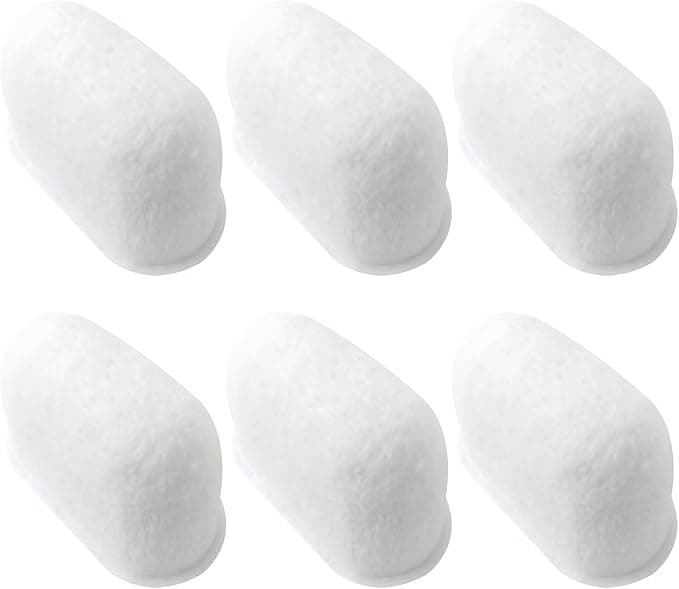
I bought the compatible ones anyway. Mostly out of stubbornness. I've now run them through my espresso machine for the better part of a year, swapping every two months like you're supposed to. Here's the honest report.
The price math, because that's why we're here
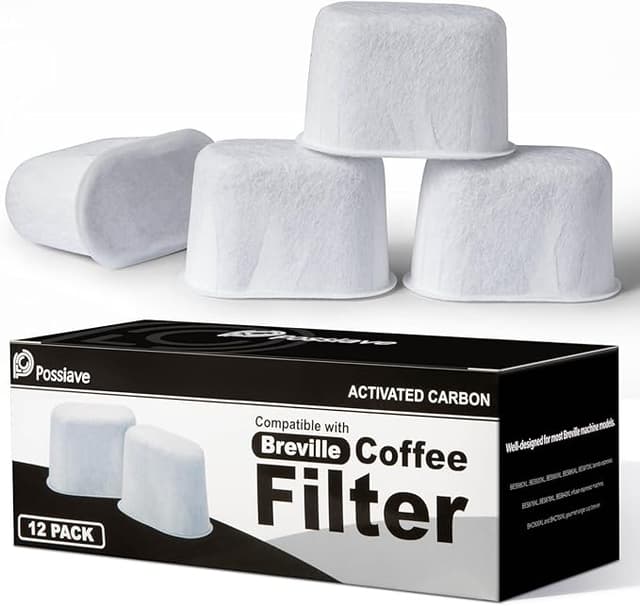
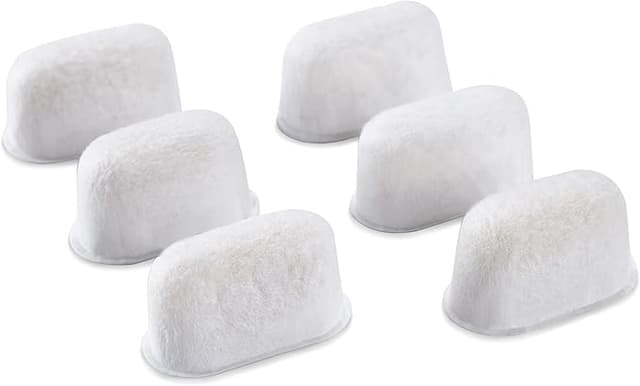
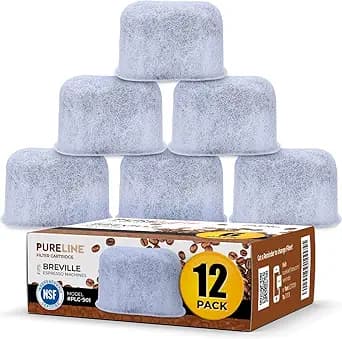
Breville's own BWF100 filters run roughly $14–16 for two. You change them every two months — that's six filters a year, so three of those OEM packs. Call it $45 a year, give or take. The compatible packs I've been buying come three to a box for around $9, sometimes a hair under. Two boxes covers the year. That's about $18. So I'm spending maybe $18 instead of $45 to do the exact same job — keeping scale and chlorine taste out of my water tank.
Twenty-seven dollars a year isn't going to change your life. But it's a charcoal water filter. It is genuinely the same activated-carbon-in-a-plastic-cage idea no matter whose logo is on it, and I'd rather keep the twenty-seven bucks.
Does it actually fit?
This was my first real worry. The BWF100 sits in a little holder that clips into the bottom of the water tank, and if the dimensions are off even slightly, the holder won't close or the filter floats loose. The compatibles I got seat into the holder with the same firm push and the same quiet click the Breville ones give. No shimming, no trimming, no wiggling it forty-five degrees to make it catch.
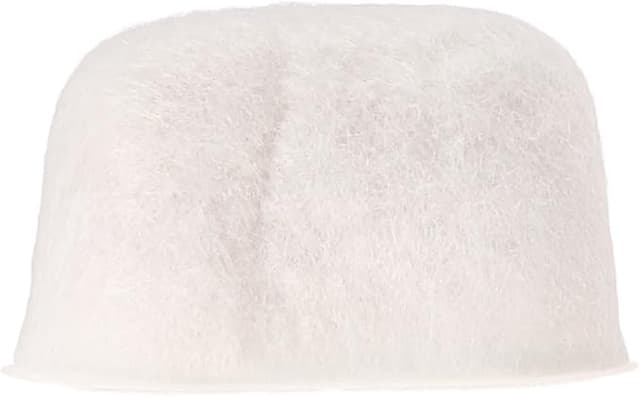
The routine, if you've never done it: drop the filter in a cup of water and let it soak about five minutes first — this matters, a dry one traps air and won't pull water through right. Then press it into the holder, clip the holder into the tank, and you're done. Mark a calendar reminder for two months out because you will absolutely forget otherwise. I did, twice.
Where it's just as good — and the one place it isn't
On taste and scale, I can't tell these apart from OEM. My water here is on the hard side, and the whole reason you run a filter in a Breville is to slow down the limescale that quietly kills these machines — clogged thermocoil, weak pump pressure, eventually a dead unit. After months on the compatible filters my water tastes clean, my shots taste right, and when I pulled the steam wand apart to check, the scale buildup looked the same as it ever did on the name-brand ones. That's the thing that actually protects your machine, and it's holding up.
Now the real downside, because there's always one. The first filter out of one box had a faint plastic-and-charcoal smell on the very first soak — that grayish tint in the soaking cup, a little carbon dust. Slightly worse than the OEM, which barely does this. I gave that one an extra rinse under the tap and a second soak, and after that it was fine, no off taste in the coffee. But it's real, and if you skipped the rinse you might get a faintly flat first cup. The OEM filters I've used didn't need the babysitting. So: budget an extra two minutes for the first one in a batch.
The packaging's also cheap — thin plastic sleeve, no individual wrapping, the filters just rattling around together. Doesn't affect how they work. Just don't expect it to feel premium when it shows up.
Who should skip these
If you're still inside your Breville warranty and you're the type who worries a third-party part could give them an excuse to deny a claim, buy the OEM. It's cheap insurance for a year or two and the genuine ones really are a touch cleaner out of the gate. Same goes if you have very soft water already and you're barely filtering for taste — at that point the gap between brands is basically nothing, so buy whatever's in front of you.
What I actually do
I keep a box of the compatibles in the cabinet and I don't think about it. They fit, they click, they keep the scale down, my coffee tastes the way it should, and I rinse the first one of each batch a little extra to deal with that early carbon dust. For roughly $27 less a year, doing the identical job the OEM puck does, I'd buy them again — and I have, twice now. The skeptic who walked into that store holding both boxes was wrong about the cheap one. Doesn't happen often. Happy to admit it here.
One last nudge: whatever you buy, change it on schedule. A filter you installed eight months ago and forgot about is worse than no filter — it stops adsorbing and just sits there. Two months. Set the reminder. That habit matters more than which brand you picked.