Troubleshooting & Analysis
I bought the $20 one fully expecting to regret it
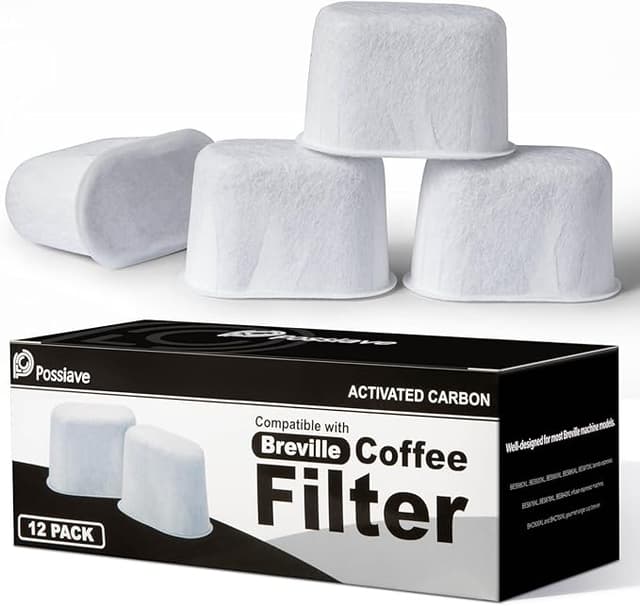
I didn't believe it either. A box of compatible BWF100 charcoal filters for less than the price of a single Breville-branded twin-pack, and I just assumed it was the usual story — looks fine in the photo, falls apart in the tank, leaves your water tasting like a swimming pool. I'd been burned before on cheap filters for other machines. So when my Barista Express started throwing the "descale" nudge and I needed a refill, I almost paid full freight out of pure paranoia.
I didn't. I grabbed the compatible pack instead, half as a test, half because I'm cheap. Four months and a lot of espresso later, here's the honest rundown.
The actual money, because that's why you're here
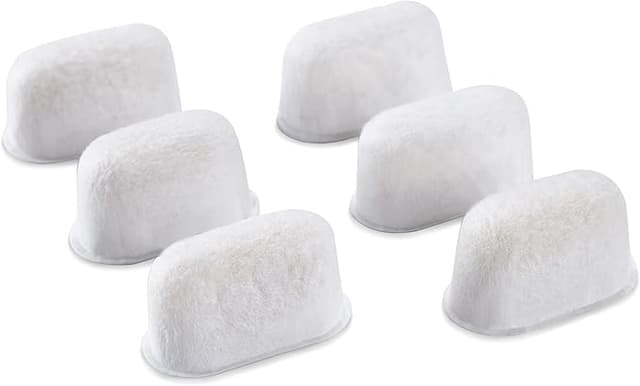
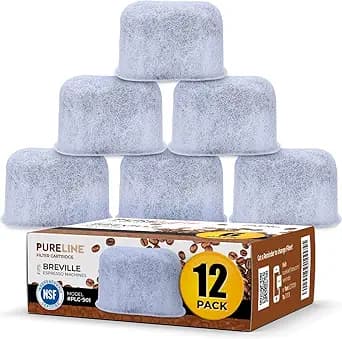
Breville's own water filters run you roughly $9–$13 for a two-pack depending on where you buy, and you're supposed to swap them every two months. The compatible packs I bought came six to a box for around the same money as Breville's two. Do that math over a year: you're replacing six times, so you're either spending something like $35–$40 on OEM or under $15 on the compatible set. That's not a rounding error. That's a couple of bags of decent beans a year that I'd rather drink than pour into a filter housing.
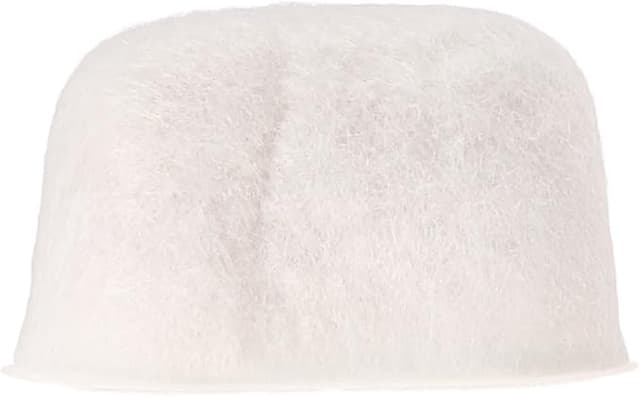
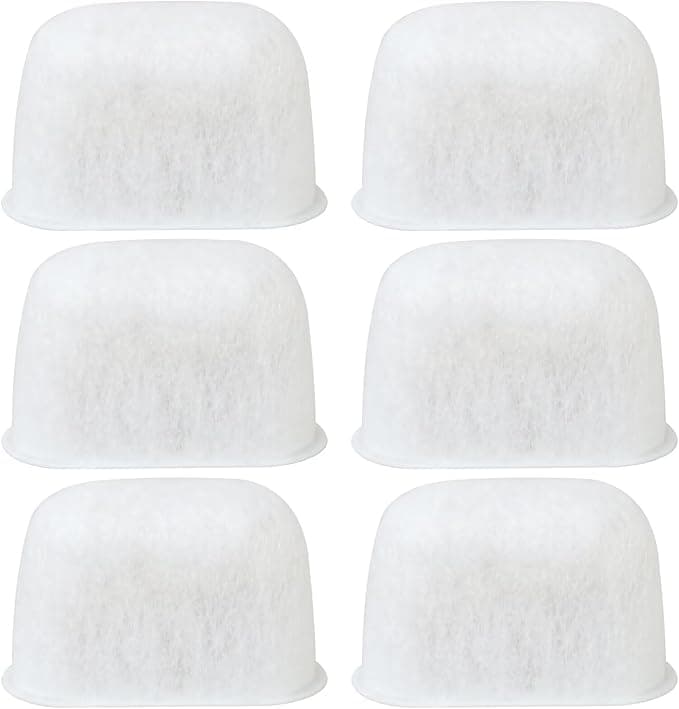
And these aren't some exotic part. The BWF100 filter is a little charcoal puck that sits in a holder clipped inside your water tank. It's not doing rocket science — it's pulling chlorine and the off-tastes out of your tap water and slowing down the scale that quietly kills these machines. There's no reason a third party can't make that same puck.
Does it actually fit, though
This was my real worry. A filter that's a hair too fat won't seat in the holder, and one that's too loose rattles around and lets unfiltered water sneak past. The compatible ones seated fine. You soak the filter in a cup of water for about five minutes first — it bubbles a little as it wets through, that's normal — then you press it into the holder and clip the holder into the tank. It clicked in the same way the Breville one does. No shaving, no forcing.
I'll give you the one nitpick: the fit in the holder is very slightly less snug than the genuine part. Not loose, not leaking — but if you wiggle it you can feel a touch more play than the OEM puck had. In four months it never moved on its own or popped out. But I noticed it, so I'm telling you.
The break-in nobody warns you about
Here's the downside I actually care about. The first day or two, fresh out of the bag, there was a faint plastic-and-charcoal smell to the first tank of water. Not strong, but I could catch it if I sniffed the reservoir. If you brewed straight away without soaking it properly, I think you'd taste a whisper of it in the first couple of cups.
The fix is dead simple: soak it the full five minutes like the instructions say, then run one tank of water through the machine and dump it before you make coffee. After that first flush, gone. By the second day my espresso tasted exactly like it did on the Breville filter — clean, no chlorine bite, crema looked the same. I did a side-by-side with a friend who swears by OEM and neither of us could pick the cheap one out of a cup.
The packaging is also, frankly, cheap. Thin plastic sleeves, a box that looked a little knocked-around in shipping. The filters inside were fine. But it doesn't have that reassuring branded-product feel, and if that bothers you, it'll bother you.
Why I don't let it slide past two months
Quick reality check on why this part matters at all: the filter isn't really about taste first, it's about scale. Hard water leaves mineral deposits inside the boiler and the lines, and clogged-up scale is the single most common way these Breville machines die — weak pressure, slow heat-up, eventually a unit that won't push water through at all. The charcoal filter cuts the stuff that feeds that buildup. Let a filter go stale and saturated past its swap date and it stops pulling anything; you're basically running bare tap water through a $600 machine. So whatever filter you use, OEM or this, the real rule is just: change it on schedule. Every two months. Set a phone reminder.
Who should just buy the Breville one
I'll be straight. If you're still under warranty and you're the nervous type who worries an off-brand part could give Breville an excuse to deny a claim — buy the genuine filter and don't think about it. It's cheap insurance on an expensive machine, and the peace of — well, you'll sleep fine. If you're on very soft water already and barely notice a taste difference, the savings matter less too.
But for me? My machine's out of warranty, my tap water's hard, and I go through filters six a year. The compatible BWF100 fit, it cleaned the water exactly as well once I flushed it, and it cost me a third of the price. The looser-by-a-hair fit and the day-one plastic smell are real, and I told you about them — but neither one changed how my coffee tastes or how my machine runs.
I went in expecting to write a warning. Instead I've reordered the same box twice. For the money, doing the same job, I'd buy it again — and I have.